


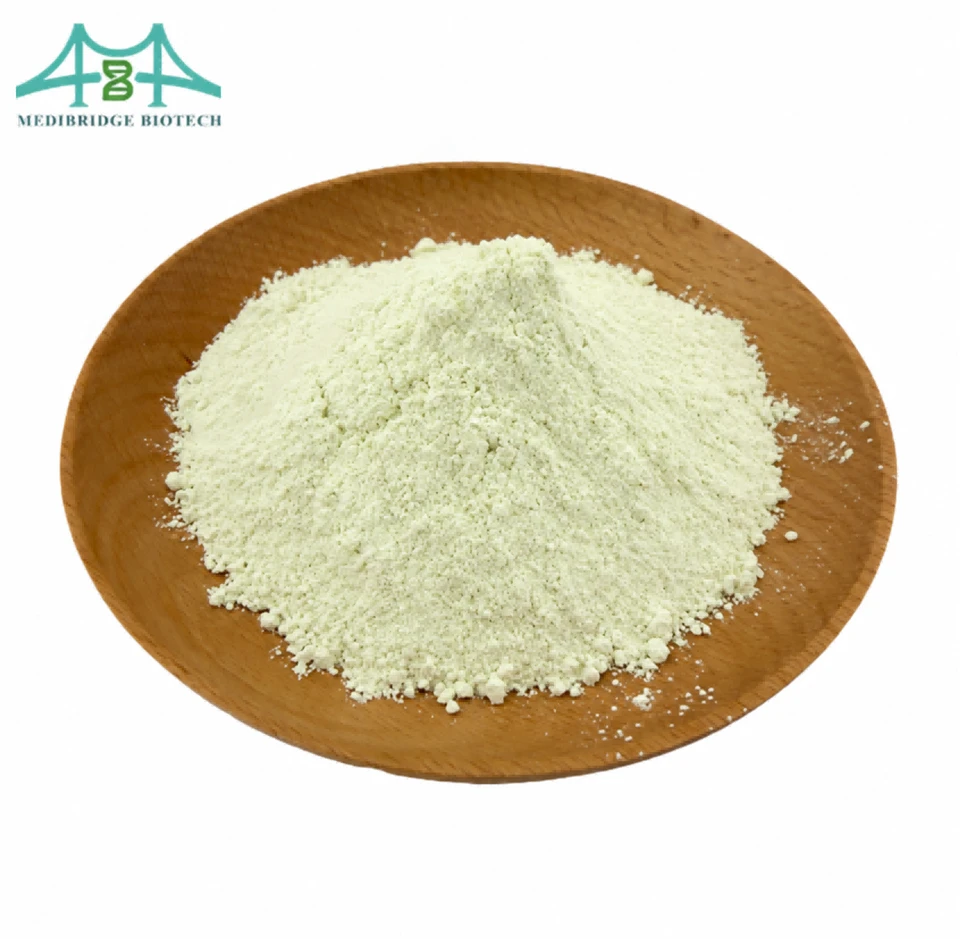

Dihydroquercetin Powder as a bioflavonoid, is a member of the flavonoids subclass, which is a class of polyphenols with strong anti-inflammatory and antioxidant properties. It is also a member of the subclass flavanonols. In addition to numerous fruits and vegetables, the flavonoid can be found in meals and drinks like vinegar, wine, tea, and cocoa. One flavonoid or naturally occurring nutrient present in plants, including cannabis, is dihydroquercetin. It is one of the flavonoids that has been shown to improve health by lowering oxidative stress, an imbalance in the body that can lead to a number of common ailments. It can increase the efficacy of antibiotics for specific streptococcal infections and help those who suffer from alcoholism, fatty liver disease, or both. The most common sources of taxifolin are onions, wine, and hot chocolate-based beverages (particularly when cooked with rice, as flavonoids bind with starch). Moreover, vinegars aged in cherry wood, milk thistle seed extract, and coniferous trees like Douglas fir and Chinese yew all contain it.
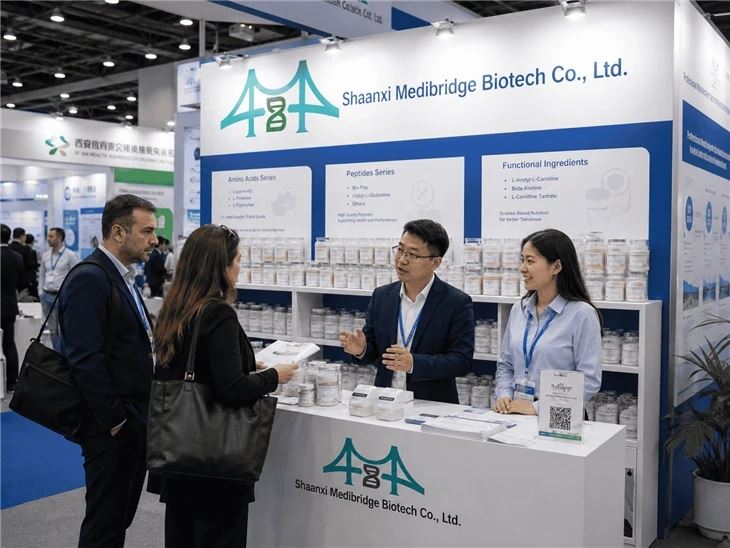
Shaanxi Medibridge Biotech Co., Ltd. supplies plant extracts, nutritional ingredients, and custom specification products for different sourcing and formulation needs. We support stable supply, routine specification matching, and flexible packaging service for ingredient-based product development.
COA
|
|
||
|
Product Name |
CAS Number |
Batch Number |
|
Dihydroquercetin Powder |
480-18-2 |
MB2601151522 |
|
Manufacturer Date |
Analysis Date |
Expiry Date |
|
2026/1/15 |
2026/1/16 |
2028/4/15 |
|
Sample Qty Base |
Packing |
Test Method |
|
180KGS |
25KG/drum |
HPLC |
|
|
||
|
Item |
Standard |
Results |
|
Assay |
≥98.0% |
98.21% |
|
Appearance |
Fine Powder |
Complies |
|
Color |
Light Yellow |
Complies |
|
Odor |
Odorless |
Complies |
|
Taste |
Bitter |
Complies |
|
Loss on Drying |
≤5.0% |
2.31% |
|
Ash |
≤5.0% |
0.11% |
|
Part of Plant Used |
The Larch Bark |
Complies |
|
Solvent Used |
Ethanol |
Complies |
|
Heavy Metals |
≤10ppm |
Conforms |
|
Arsenic(As) |
≤1ppm |
Conforms |
|
Lead(Pb) |
≤2ppm |
Conforms |
|
Cadmium(Cd) |
≤1ppm |
Conforms |
|
Mercury(Hg) |
≤0.5ppm |
Conforms |
|
GMO Status |
GMO Free |
Conforms |
|
Total Plate Count |
≤1000cfu/g |
Conforms |
|
Yeast&Mold |
≤100cfu/g |
Conforms |
|
E.Coli |
Negative |
Negative |
|
Salmonella |
Negative |
Negative |
|
Staph Aureus |
Negative |
Negative |
|
Conclusion |
The batch conforms to the IN-HOUSE standard |
|
|
|
||


Molecular Pharmacological Mechanisms
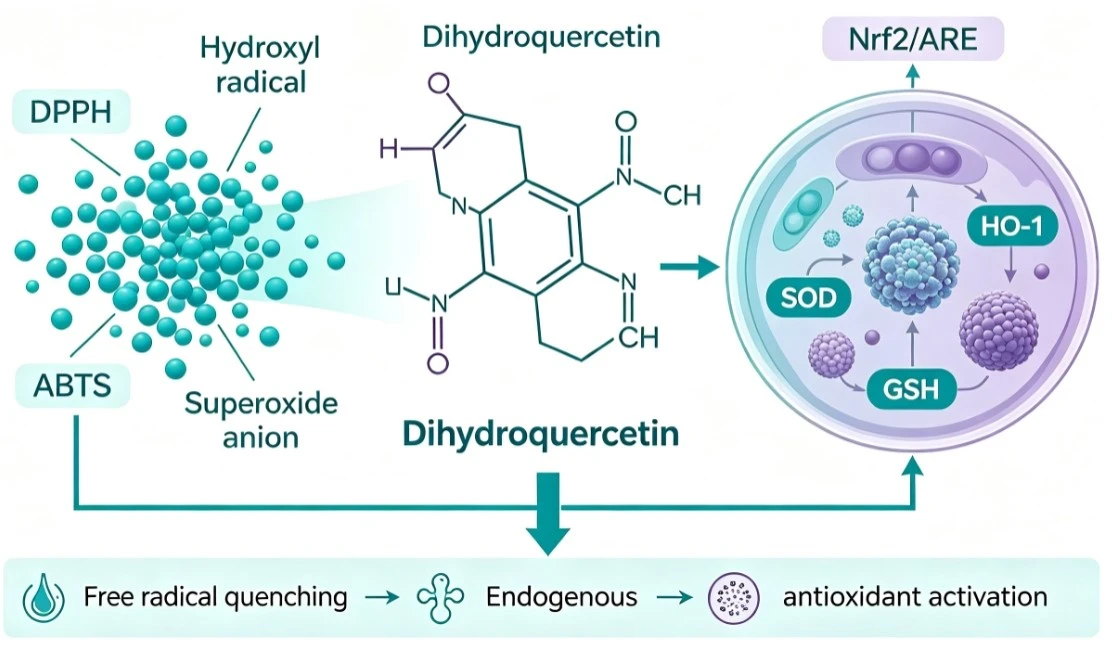
Antioxidant Mechanism
Phenolic hydroxyl groups directly scavenge multiple reactive free-radicals including DPPH, ABTS, superoxide anions and hydroxyl radicals. Meanwhile, they up-regulate the Nrf2/ARE pathway and boost the expression of endogenous antioxidant proteins (HO-1, SOD, GSH). It exerts dual effects of direct free-radical quenching and endogenous antioxidant activation. Compared with many other flavonoids, it possesses strong metal-chelating capacity and inhibits metal-mediated lipid peroxidation.
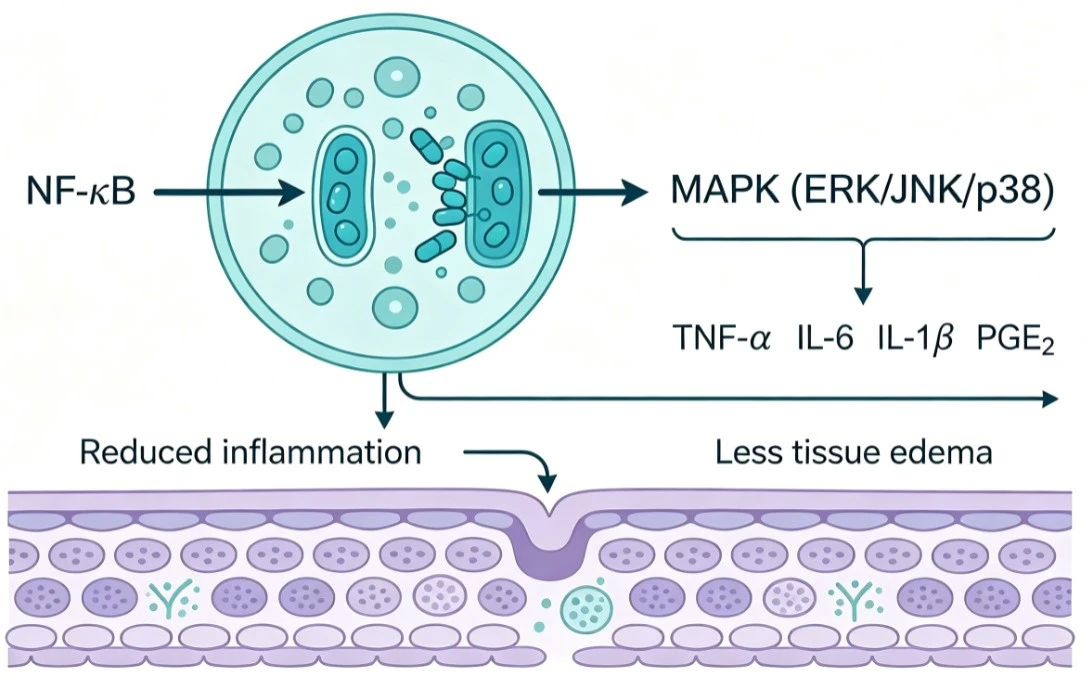
Anti-inflammatory Pathway Inhibition
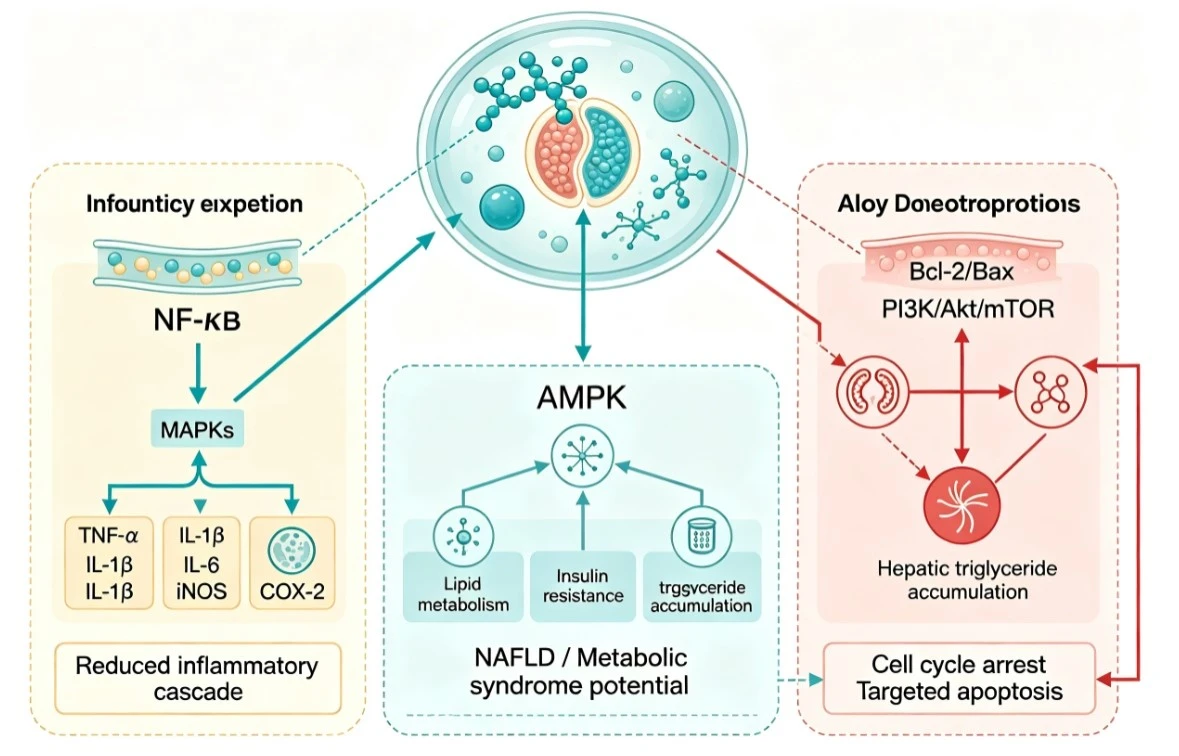
It suppresses the NF-κB signaling pathway and down-regulates pro-inflammatory mediators including TNF-α, IL-6, IL-1β and PGE₂. It also inhibits MAPK (ERK/JNK/p38) phosphorylation to mitigate inflammatory cascade responses. *In-vitro* and animal models demonstrate its capacity to alleviate acute and chronic inflammation as well as tissue edema.
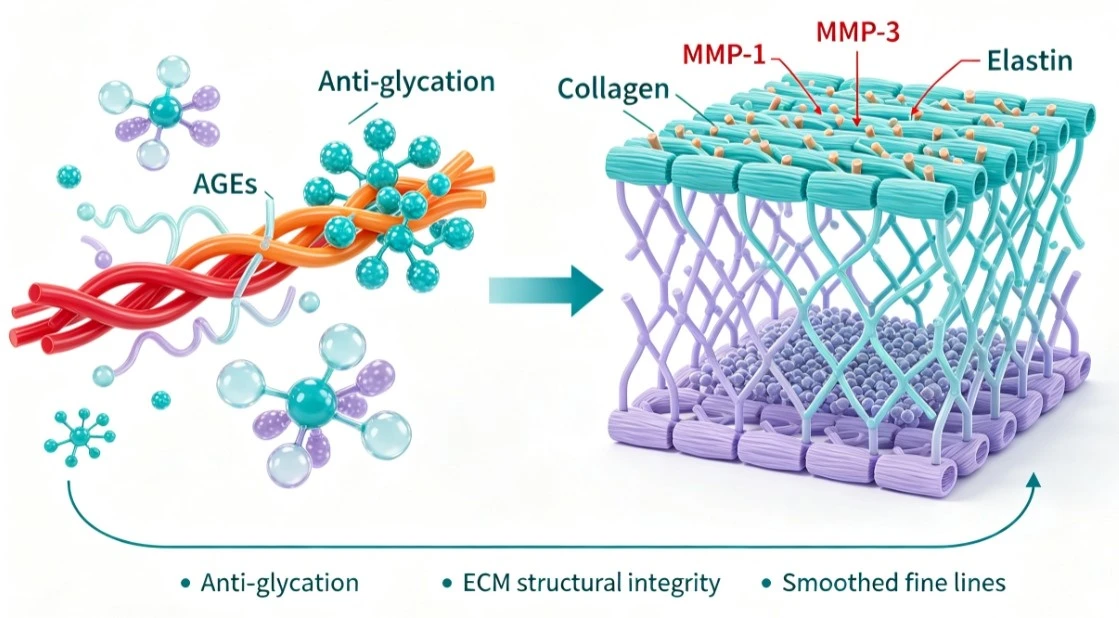
Anti-glycation and ECM Protection
It inhibits the formation of advanced glycation end-products (AGEs) and blocks non-enzymatic cross-linking of proteins induced by glycation. It suppresses matrix metalloproteinases (MMP-1, MMP-3) and reduces the degradation of collagen and elastin so as to preserve extracellular matrix structural integrity.
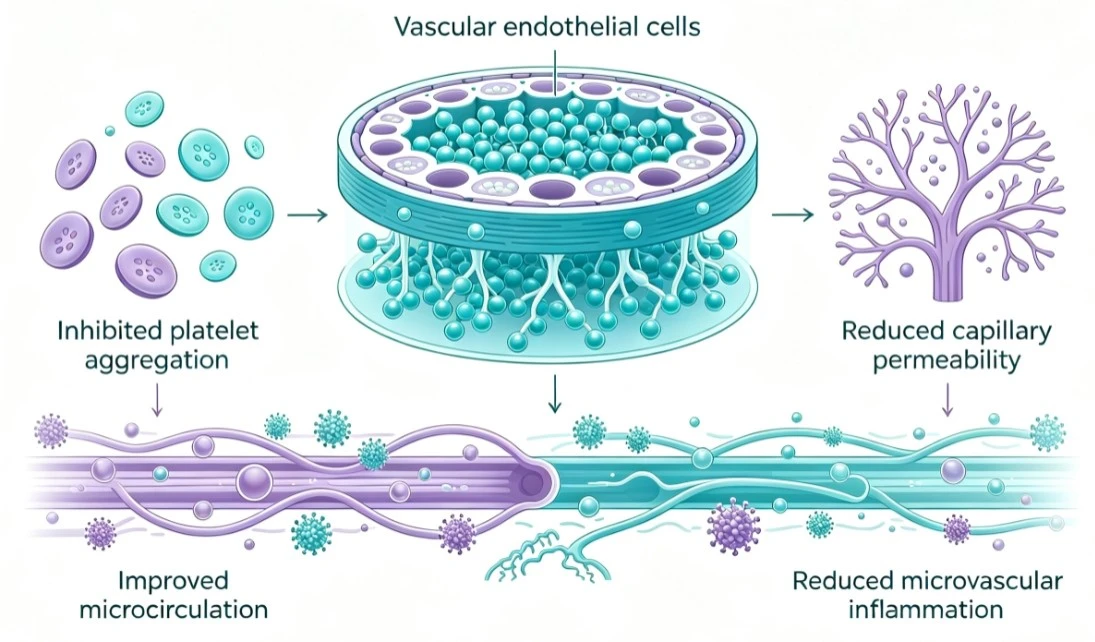
Vascular and Microcirculation-related Effects
It protects vascular endothelial cells against oxidative injury, inhibits platelet aggregation and decreases capillary permeability. Animal experiments indicate that it improves microcirculation and alleviates microvascular inflammation.
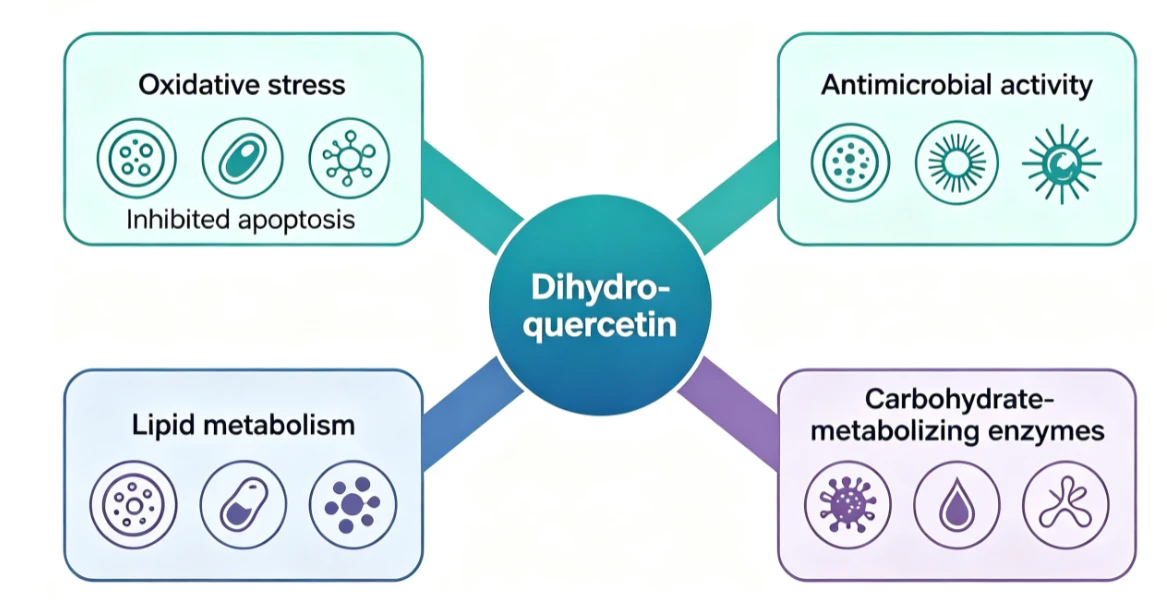
Other *In-vitro* Bioactivities
It inhibits partial oxidative-stress-triggered cell apoptosis and exhibits mild antimicrobial activity. It modulates lipid metabolism and inhibits selected carbohydrate-metabolizing enzymes in *in-vitro* assays.
Antioxidant & Radical Scavenging Mechanisms
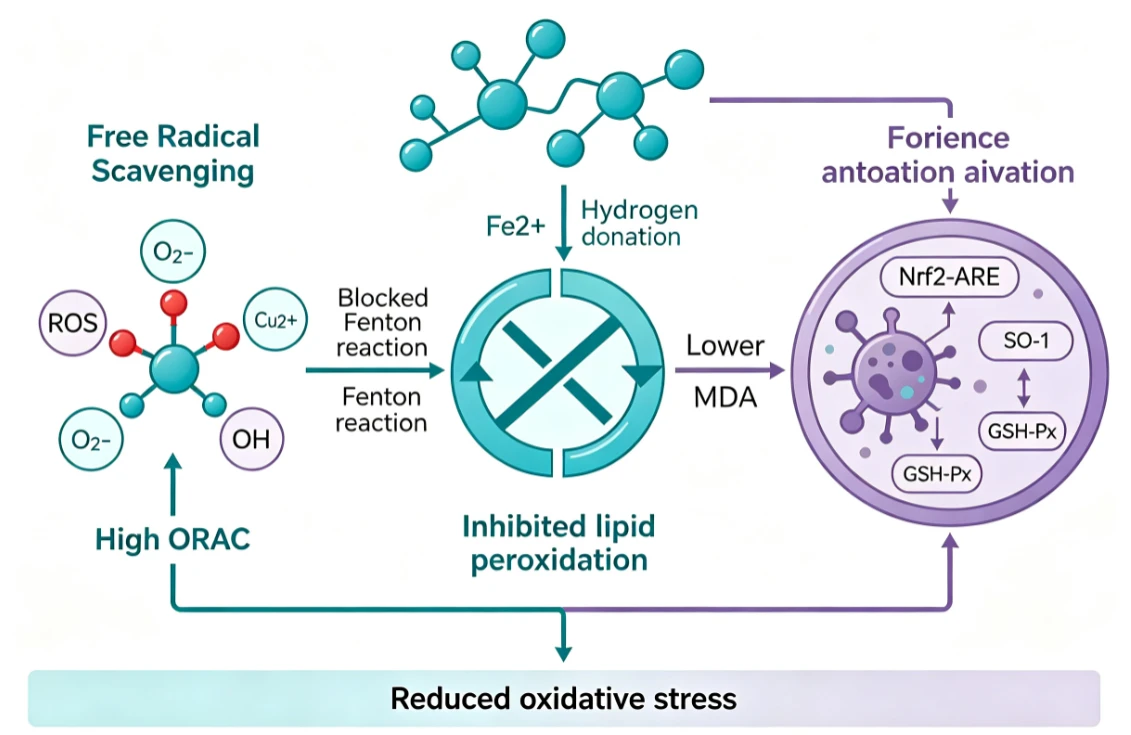
Potent Free Radical Scavenging: Rich in 5 phenolic hydroxyl groups (especially the B-ring catechol structure), it efficiently donates hydrogen atoms to neutralize reactive oxygen species (ROS), superoxide anions (O2-), and hydroxyl radicals (OH). Its Oxygen Radical Absorbance Capacity (ORAC) ranks among the highest among natural flavonoids.
Transition Metal Ion Chelation: Chelates transition metal ions such as Fe2+ and Cu2+, effectively blocking the Fenton reaction and inhibiting lipid peroxidation and malondialdehyde (MDA) generation at the source.
Endogenous Antioxidant Enzyme Activation: Activates the Nrf2-ARE signaling pathway, upregulating the gene expression of endogenous antioxidant enzymes including heme oxygenase-1 (HO-1), superoxide dismutase (SOD), and glutathione peroxidase (GSH-Px).
Signal Transduction & Cellular Molecular Action
Inflammatory Cascade Suppression: Significantly inhibits the activation of the NF-kB (Nuclear Factor-kB) and MAPKs signaling pathways, thereby downregulating the expression of pro-inflammatory cytokines (TNF-alpha, IL-1beta, IL-6) and inflammatory mediators (iNOS, COX-2).
Metabolic & Lipid Regulation: Activates the AMPK pathway, modulating lipid metabolism, alleviating insulin resistance, and reducing hepatic triglyceride accumulation-showing therapeutic potential against non-alcoholic fatty liver disease (NAFLD) and metabolic syndrome.
Apoptosis Induction & Anti-Proliferation: In targeted oncology research, it regulates Bcl-2/Bax family proteins and suppresses the PI3K/Akt/mTOR pathway to induce cell cycle arrest and targeted apoptosis in various tumor lines.
Organ Protection & Therapeutic Potential
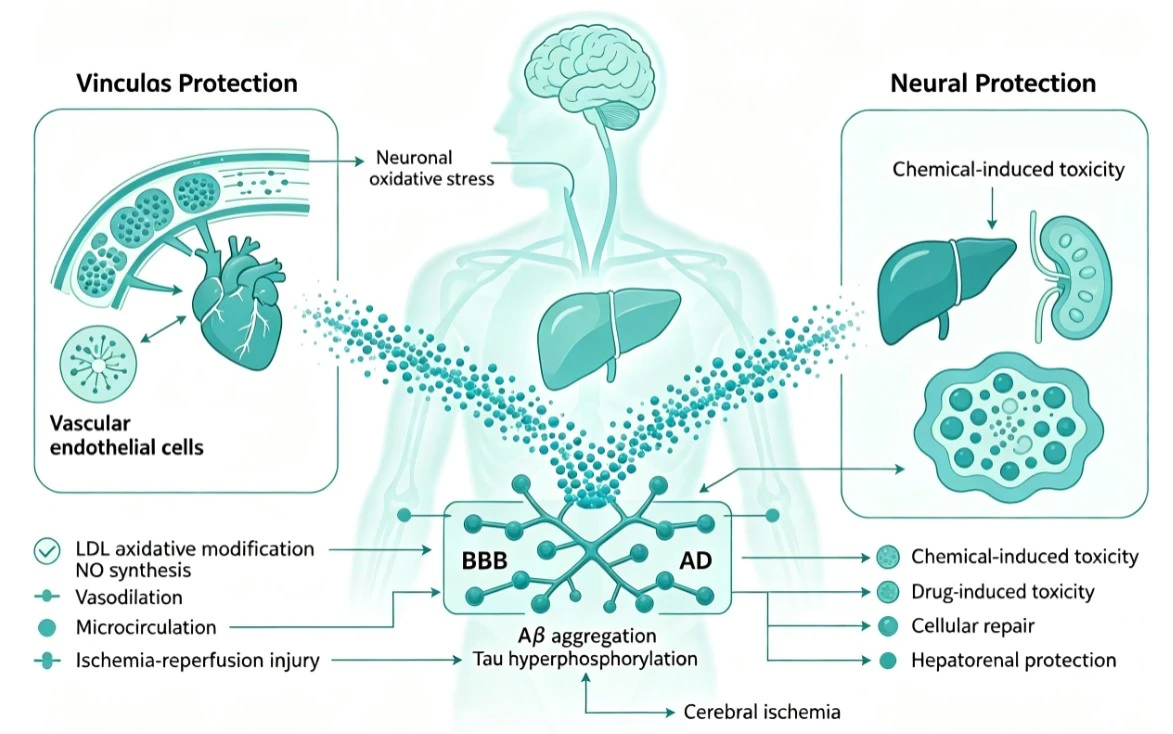
Protects vascular endothelial cells, prevents oxidative modification of low-density lipoprotein (LDL), and promotes nitric oxide (NO) synthesis to dilate blood vessels, improve microcirculation, and mitigate ischemia-reperfusion injury.
Neuroprotection (Brain Health)
Crosses the blood-brain barrier (BBB) to reduce neuronal oxidative stress, inhibit amyloid-beta (A\beta) aggregation, and suppress Tau protein hyperphosphorylation-making it a key candidate in Alzheimer's disease (AD) and cerebral ischemia research.
Hepatoprotective & Renal Repair
Exhibits significant cellular repair and protective effects against chemical-induced or drug-induced hepatorenal toxicity.
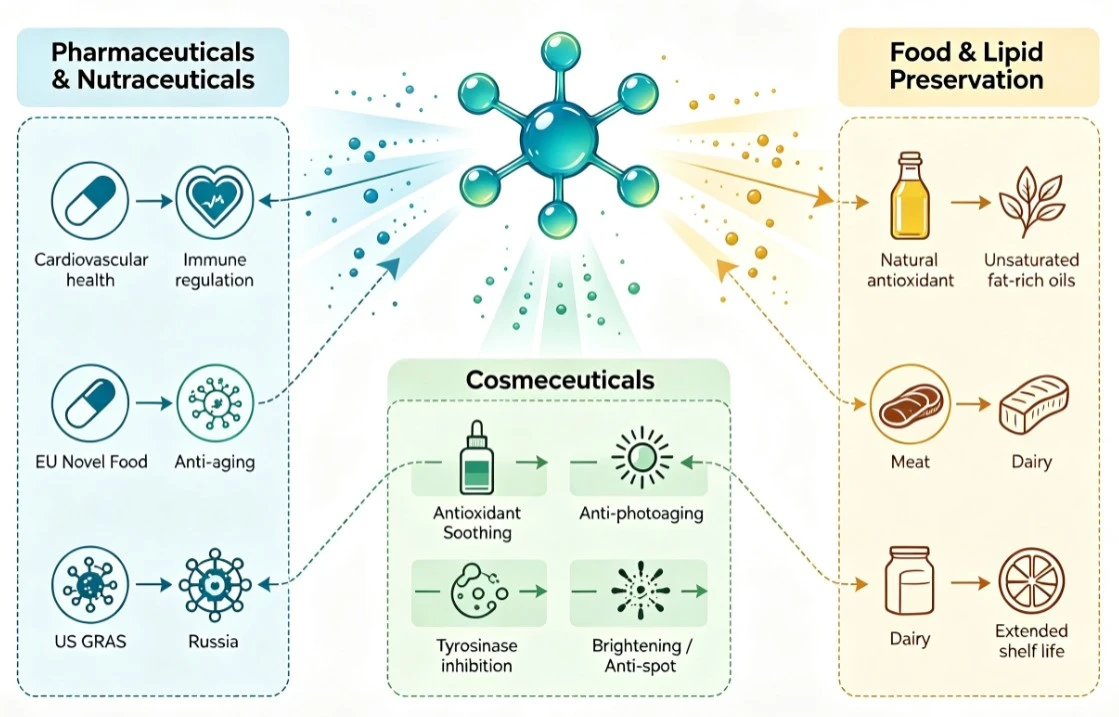
Industrial Applications & Commercial Uses
- Pharmaceuticals & Nutraceuticals
Widely utilized as an active raw material in cardiovascular health, immune regulation, and anti-aging supplements across Europe (EU Novel Food approved), the US (GRAS certified), and Russia.
- Cosmeceuticals
Serves as a potent antioxidant and soothing active in anti-photoaging, brightening/anti-spot (tyrosinase inhibition), and sensitive-skin barrier repair formulations.
- Food & Lipid Preservation
Applied as a highly effective natural antioxidant in unsaturated fat-rich oils, meat, and dairy products to significantly extend product shelf life.
FAQ
Is dihydroquercetin the same as quercetin?
Quercetin and dihydroquercetin (also known as taxifolin) are related plant pigments, but dihydroquercetin has a hydrogenated chemical structure lacking a double bond found in quercetin.
What is Lavitol DHQ?
Lavitol DHQ is a patented, high-purity brand of dihydroquercetin (DHQ), also known as taxifolin, which is a powerful bioflavonoid antioxidant extracted from the wood of larch trees.
What are the potential benefits of taking taxifolin?
Taxifolin, also known as dihydroquercetin, is a natural plant flavonoid that offers powerful antioxidant, anti-inflammatory, and vascular-protective benefits.
What does quercetin do for the body?
Quercetin is a natural plant pigment that functions as a powerful antioxidant to fight cellular damage and reduce inflammation.
If you are looking for a high-quality Dihydroquercetin Powder manufacturer with whom you can establish a long-term, stable partnership, then Shaanxi Medibridge Biotech Co., Ltd. would be your best business partner. Don't hesitate to contact us at hi@medibridgeapi.com.
Hot Tags: dihydroquercetin powder, China dihydroquercetin powder manufacturers, suppliers, factory, epicatechin pharmaceutical powder, epicatechin research compound, Hesperidinase, hesperidinase citrus flavonoid enzyme powder, Pure Green Tea Extract, Quercitrin Powder


