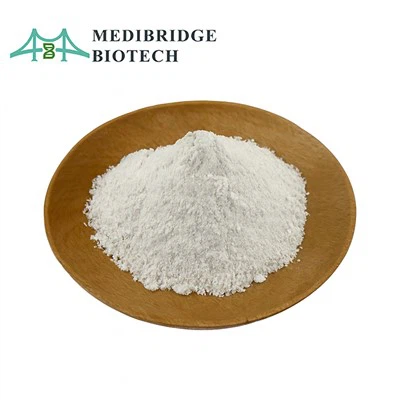
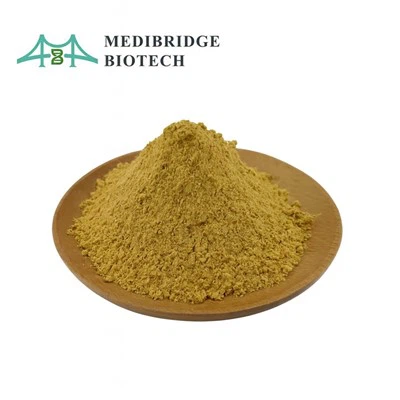
Hesperidinase is a microbial-derived enzyme preparation produced through controlled fermentation and downstream processing. It is not a single defined molecule, but a functional enzyme system mainly composed of α-L-rhamnosidase and β-glucosidase activities. This combination allows the enzyme to selectively hydrolyze flavonoid glycosides commonly found in citrus materials, especially hesperidin. The product is supplied as a stable, water-soluble powder suitable for use in processing and laboratory environments.
In practical use, this enzyme is applied as a technical tool for flavonoid modification rather than as a finished ingredient. Under mildly acidic conditions, it supports the stepwise breakdown of glycoside structures by removing sugar moieties, which simplifies downstream handling and evaluation. Because of this behavior, hesperidinase is commonly used in citrus juice processing, plant-based ingredient research, and biotransformation studies where controlled conversion and repeatable results are required.
At Shaanxi Medibridge Biotech Co., Ltd., hesperidinase is supplied with a focus on consistent enzymatic activity and batch-to-batch reliability. We support customized activity specifications to match different processing or research needs, along with complete technical documentation for quality control and regulatory reference. Long-term supply planning and stable production make this enzyme suitable for ongoing formulation development and industrial or laboratory evaluation.

COA
|
|
||
|
Product Name |
CAS Number |
Batch Number |
|
hesperidinase |
37213-47-1 |
MB2601111030 |
|
Manufacturer Date |
Analysis Date |
Expiry Date |
|
2026-01-11 |
2026-01-12 |
2028-01-10 |
|
Sample Qty Base |
Packing |
Test Method |
|
500KGS |
25kg/drum |
HPLC |

|
Item |
Standard |
Results |
|
Appearance |
White to off-white powder |
Conforms |
|
Enzyme Type |
Enzyme preparation (multi-enzyme system) |
Conforms |
|
Solubility |
Water-soluble |
Conforms |
|
Optimal pH |
3.5 – 5.0 |
Conforms |
|
Optimal Temperature |
50 – 60 °C |
Conforms |
|
Loss on Drying |
≤ 8.0% |
Conforms |
|
pH (1% solution) |
4.0 – 6.0 |
Conforms |
|
Total Plate Count |
≤ 10,000 CFU/g |
Conforms |
|
Yeast & Mold |
≤ 100 CFU/g |
Conforms |
|
Storage |
Store in cool & dry place. keep away from strong light and heat |
|
|
Conclusion |
The batch conforms to the IN-HOUSE standard |
|
|
|
||

How It Works
Hesperidinase functions through a sequential enzymatic hydrolysis process based on its combined α-L-rhamnosidase and β-glucosidase activities. The reaction does not occur in a single step, but follows an ordered pathway that allows controlled modification of flavonoid glycosides under defined conditions.
Step 1 – α-L-rhamnosidase activity
The enzyme first cleaves the terminal rhamnose unit from hesperidin. This step converts the original flavonoid diglycoside into a simpler glucoside intermediate, reducing molecular complexity while keeping the core flavonoid structure intact.
Step 2 – β-glucosidase activity
In the second step, β-glucosidase further hydrolyzes the remaining glucose moiety from the intermediate. This releases the aglycone form of the flavonoid along with free sugar units, completing the glycoside breakdown process.
This stepwise mechanism allows hesperidinase to be used as a controlled processing and research enzyme in citrus-related systems, flavonoid conversion studies, and other applications where predictable hydrolysis behavior is required.

Typical Application Areas
Citrus Processing
Hesperidinase is commonly used in citrus-related processing systems where controlled modification of flavonoid glycosides is required. In juice and extract processing, the enzyme is applied during specific stages to support the breakdown of hesperidin and related compounds, helping to manage component behavior under acidic processing conditions.

Flavonoid Modification & Biotransformation
In ingredient development and biotransformation work, this enzyme serves as a technical tool for studying and adjusting flavonoid structures. Its stepwise hydrolysis behavior allows researchers and formulators to evaluate conversion pathways and intermediate forms in a controlled manner, making it suitable for pilot-scale and formulation-oriented research.

Research & Analytical Use
Hesperidinase is frequently applied as a reference enzyme in flavonoid-related research and analytical workflows. In laboratory settings, it is used to support method development, pathway verification, and comparative studies involving citrus flavonoid glycosides. Its defined enzymatic activities allow researchers to work under controlled reaction conditions and generate repeatable conversion data.
In analytical and formulation research, the enzyme is commonly introduced during evaluation stages to observe structural changes, intermediate formation, or hydrolysis behavior. This makes it suitable for academic research, ingredient screening, and pilot-scale studies where consistency and clarity of enzymatic action are required rather than production-oriented outcomes.

Use & Storage Considerations
Hesperidinase is intended for use under controlled processing or laboratory conditions where pH and temperature can be managed accurately. During application, mildly acidic environments are typically preferred to support stable enzymatic activity, and reaction parameters should be adjusted based on the specific system and processing stage.
For handling, the enzyme should be added in a dispersed or pre-dissolved form to ensure even distribution within aqueous systems. Excessive heat exposure during use should be avoided outside defined reaction conditions, as prolonged high temperatures may reduce enzymatic activity.
For storage, hesperidinase should be kept in a sealed container and stored in a cool, dry environment. Refrigerated storage at 2–8 °C is recommended to maintain activity over time. The product should be protected from moisture and direct light to support long-term stability.

Why Choose Us
At Shaanxi Medibridge Biotech Co., Ltd., hesperidinase is supplied with a strong focus on activity stability and batch-to-batch consistency. Each production lot follows standardized fermentation and processing controls to ensure predictable enzymatic performance during processing and research use.
We support customized activity specifications to match different application scenarios, including laboratory evaluation, pilot trials, and processing-scale studies. Complete quality documentation, such as COA and related technical files, is provided to support internal review and regulatory reference.
With established production capacity and long-term supply planning, we help customers maintain continuity across development cycles. Our team works closely with clients to align specifications, packaging formats, and delivery schedules, making this enzyme suitable for ongoing research projects and stable industrial cooperation.

FAQ
Q: Is hesperidin a drug?
A: No, hesperidin is a naturally occurring citrus flavonoid, not a pharmaceutical drug.
Q: Where is hesperidin found naturally?
A: It is mainly found in citrus fruits, especially orange and lemon peels.
Q: Which fruits are high in polyphenols?
A: Berries such as blueberries and blackberries are generally high in polyphenols.
Q: Is hesperidin the same as hesperidinase?
A: No, hesperidin is a plant compound, while hesperidinase is an enzyme used to modify hesperidin.
Q: What is hesperidinase mainly used for?
A: It is mainly used as a processing or research enzyme in citrus and flavonoid-related systems.
Hot Tags: hesperidinase, China hesperidinase manufacturers, suppliers, factory, Aescin Powder, Alpha Pinene Liquid, Amygdalin Powder, Guayusa Leaf Extract Powder, Natural Astaxanthin Powder, plant extracts