


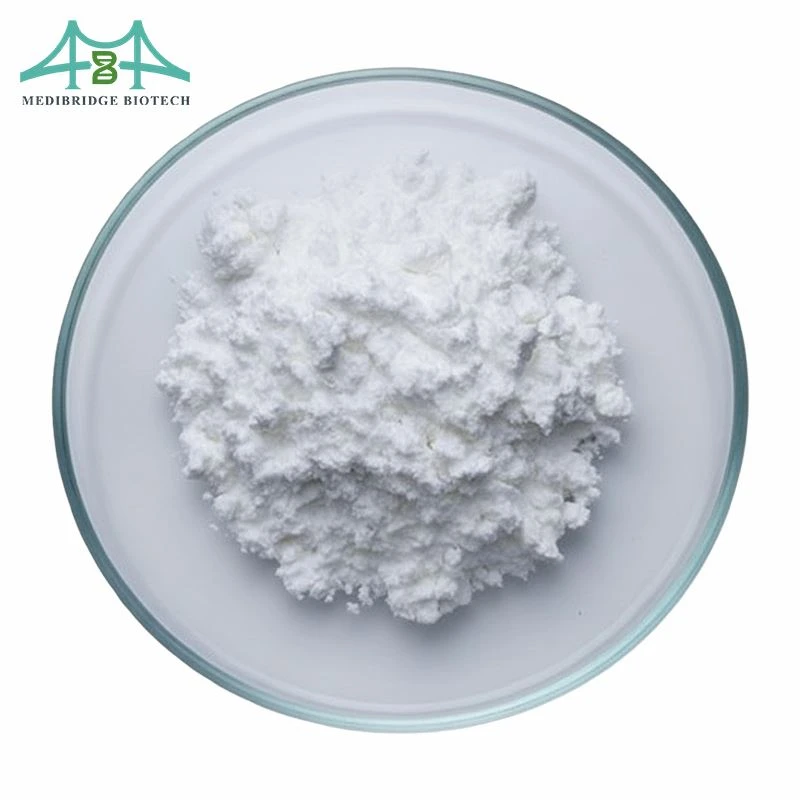
API Powder Clotrimazole is a synthetic drug; it is not a natural product extracted from nature. It belongs to the azole antifungal drugs and is prepared by chemical synthesis. The synthesis of it typically involves a series of organic synthesis reactions on specific chemicals to produce the final drug molecule. These chemical reactions may include cyclization, substitution, redox, and other steps to synthesize the molecular structure of it in the laboratory. It is one of the essential antifungal drugs in the pharmaceutical industry and is used to treat various fungal infections. It is a broad-spectrum antifungal drug with sound antibacterial effects against multiple fungi, especially Candida albicans. Its action inhibits the synthesis of fungal cell membranes and affects its metabolic process. It has antibacterial effects on superficial fungi and some deep fungi. It works primarily by inhibiting sterol synthesis in fungal cell membranes. It causes fungal cell death by inhibiting the cell membrane's sterol synthase and interfering with the integrity and structure of the fungal cell membrane. This mechanism of action makes it therapeutically effective against infections caused by various fungi, including Candida albicans, dermatophytes, Aspergillus, etc. It is mainly used clinically for external use to treat skin mycosis, such as tinea manuum, tinea corporis, ear canal, vaginal mycosis, etc.
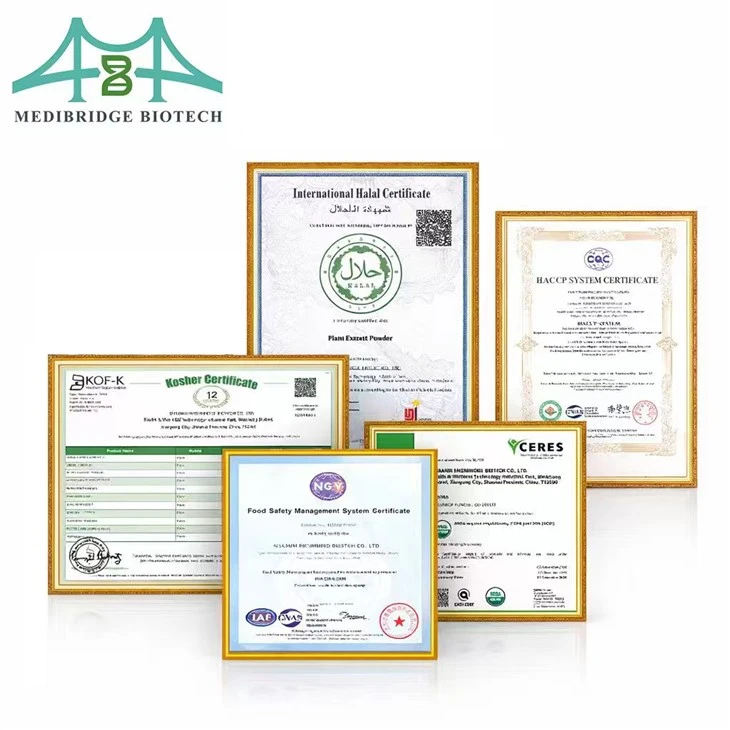
Shaanxi Medibridge Biotech Co., Ltd. focuses on the supply of pharmaceutical raw materials and research-use compounds. We support customers with stable quality, clear specification communication, flexible packaging options, and document-related support for different project stages.
COA
|
|
||
|
Product Name |
CAS Number |
Batch Number |
|
API Powder Clotrimazole |
23593-75-1 |
MB2608250265 |
|
Manufacturer Date |
Analysis Date |
Expiry Date |
|
2026/8/25 |
2026/8/26 |
2028/8/25 |
|
Sample Qty Base |
Packing |
Test Method |
|
800GS |
15GS/bottle |
HPLC |
|
|
||
|
Item |
Standard |
Results |
|
Appearance |
White powder |
Conform |
|
Identification(HNMR) |
Conform to structure |
Conform |
|
Mesh size |
100% pass 80 mesh |
80 mesh |
|
Loss on drying |
≤1.00% |
0.24% |
|
Heavy metal |
≤1.00 |
Conform |
|
Total impurity |
≤0.5% |
0.14% |
|
Residue of pesticide |
Negative |
Negative |
|
Yeast & mold |
≤100cfu/g |
Conform |
|
E.coli |
Negative |
Negative |
|
Salmonella |
Negative |
Negative |
|
Assay |
98.0-102.0% |
99.35% |
|
Conclusion |
The batch conforms to the IN-HOUSE standard |
|
|
|
||


CYP51 and Sterol Biosynthesis
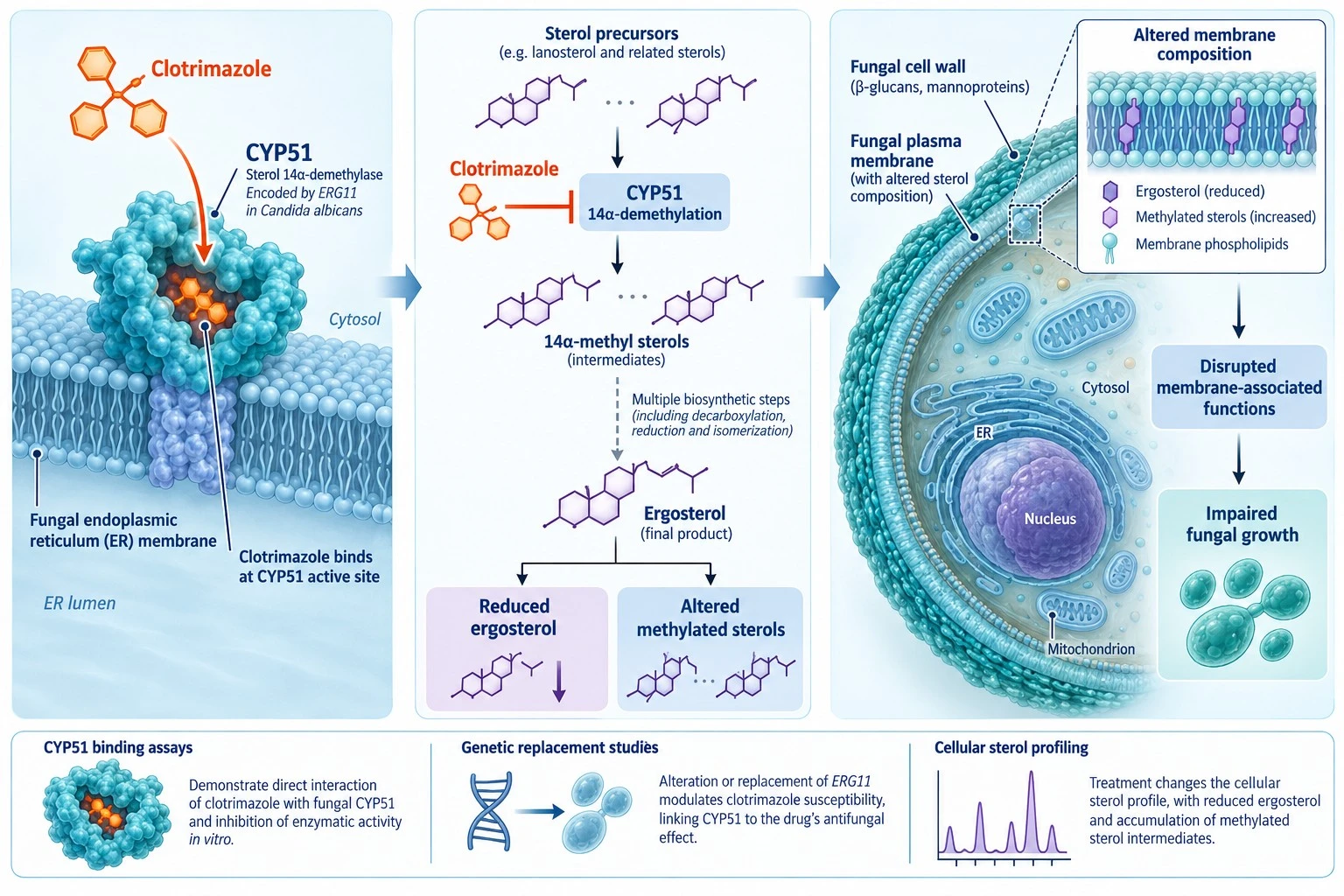
Clotrimazole primarily acts on sterol 14α-demethylase, CYP51, an enzyme involved in fungal ergosterol biosynthesis. In Candida albicans, this enzyme is encoded by ERG11.
The mechanistic framework can be summarized as:
Clotrimazole–CYP51 interaction → impaired sterol demethylation → altered ergosterol and methylated sterol composition → disruption of membrane-associated functions and fungal growth.
Original enzyme studies examined clotrimazole binding to fungal and human CYP51. Genetic replacement experiments also linked CYP51 identity to cellular sterol profiles and azole susceptibility.
Antifungal Activity
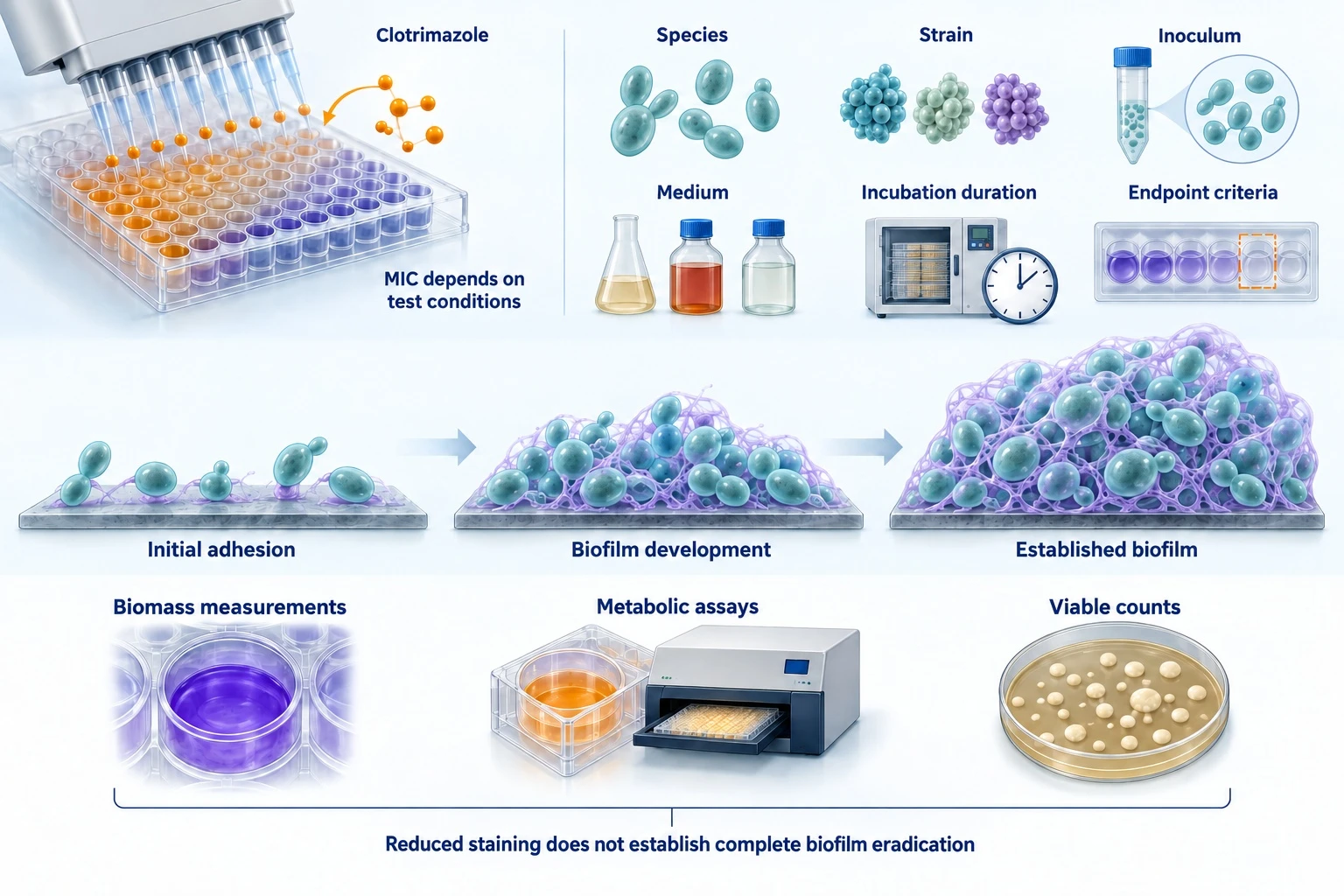
Clotrimazole activity should not be represented by a single MIC value across all fungi. Species, strain, inoculum, medium, incubation duration, and endpoint criteria should be documented.
Biofilm studies should distinguish initial adhesion, biofilm development, and established biofilms. Combining biomass measurements, metabolic assays, and viable counts helps avoid interpreting a reduced staining signal as complete biofilm eradication.
Target Changes and Intracellular Exposure
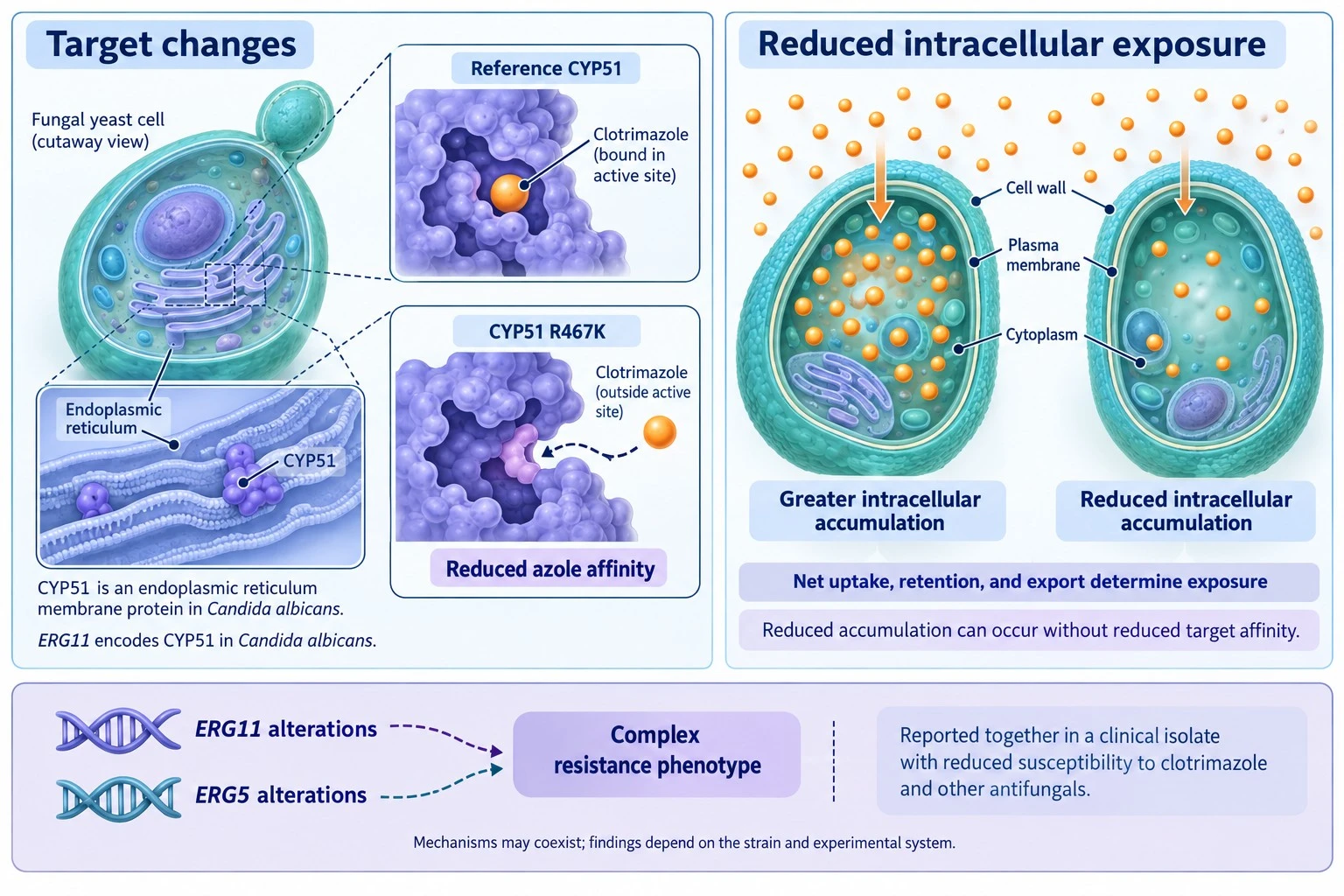
Clotrimazole resistance research should address two complementary questions: Has the target changed, and does sufficient compound accumulate inside the fungal cell?
Original studies illustrate both mechanisms. A CYP51 R467K substitution produced azole resistance through reduced affinity, whereas another C. albicans investigation associated resistance with decreased intracellular drug accumulation rather than reduced target affinity.
A clinical isolate study also reported reduced susceptibility to clotrimazole and other antifungals in association with alterations in both ERG11 and ERG5, illustrating the potential complexity of resistance phenotypes.
Ion Channels and Cellular Function
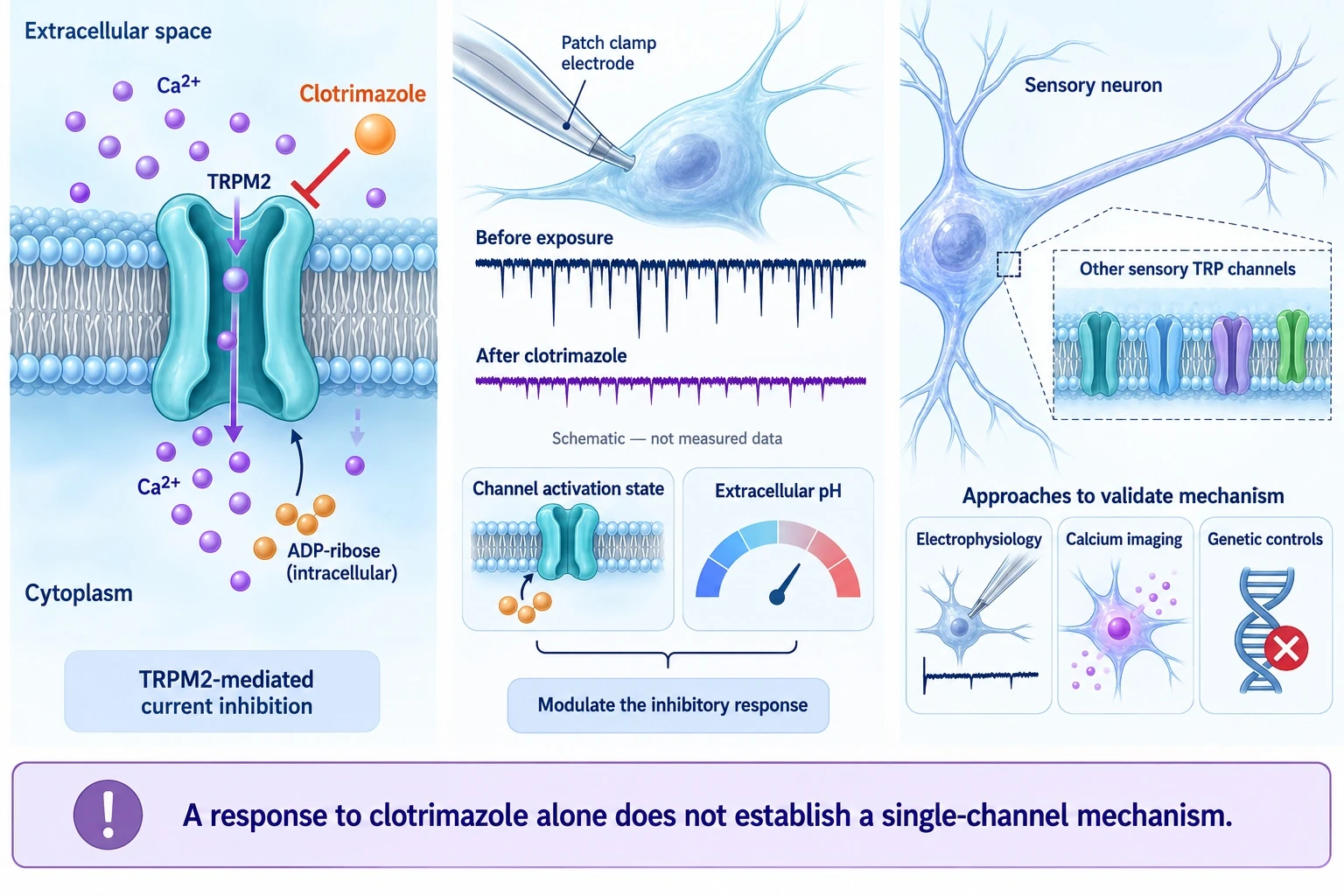
Clotrimazole has biological activities beyond fungal sterol metabolism. An original electrophysiology study demonstrated inhibition of TRPM2-mediated currents, with effects influenced by channel activation and extracellular pH. Other experimental work investigated its actions on sensory neuron-associated TRP channels.
These properties support its use in calcium-signaling and electrophysiological research, but complicate mechanistic attribution:
A cellular response to clotrimazole alone does not demonstrate that the response is mediated exclusively by one ion channel.
Solubilization, Release, and Tissue Exposure
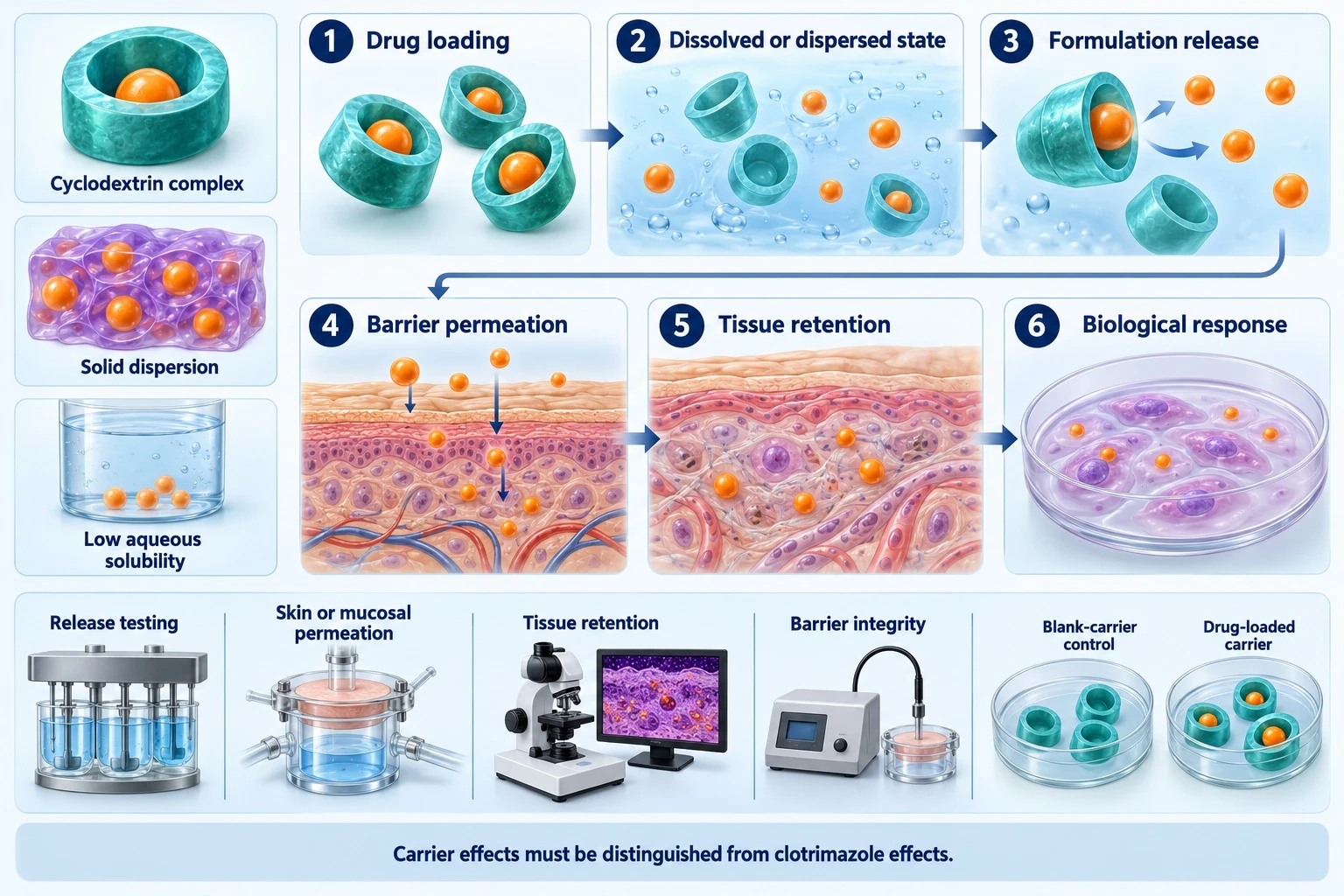
Clotrimazole's low aqueous solubility makes it relevant to research on cyclodextrin complexes, solid dispersions, and other delivery systems. Original formulation work has investigated cyclodextrin complexation to improve its aqueous solubility.
Formulation evaluation should distinguish the following stages:
Drug loading → dissolved or dispersed state → formulation release → barrier permeation → tissue retention → biological response.
Local delivery studies can combine release testing, skin or mucosal permeation, tissue retention, and barrier-integrity measurements. Blank-carrier controls help distinguish the contribution of clotrimazole from that of the formulation components.
FAQ
What is clotrimazole powder used for?
Clotrimazole powder is a topical antifungal medication used to treat and prevent fungal and yeast skin infections.
Is clotrimazole available as a powder?
Yes, clotrimazole is available in a topical powder or dusting powder formulation.
Is clotrimazole powder as effective as cream?
Yes, 1% clotrimazole powder is comparable in clinical efficacy to 1% clotrimazole cream.
Is clotrimazole dusting powder a steroid?
No, clotrimazole powder is not a steroid.
If you are looking for a high-quality API Powder Clotrimazole manufacturer with whom you can establish a long-term, stable partnership, then Shaanxi Medibridge Biotech Co., Ltd. would be your best business partner. Don't hesitate to contact us at hi@medibridgeapi.com.
Hot Tags: api powder clotrimazole, China api powder clotrimazole manufacturers, suppliers, factory


