


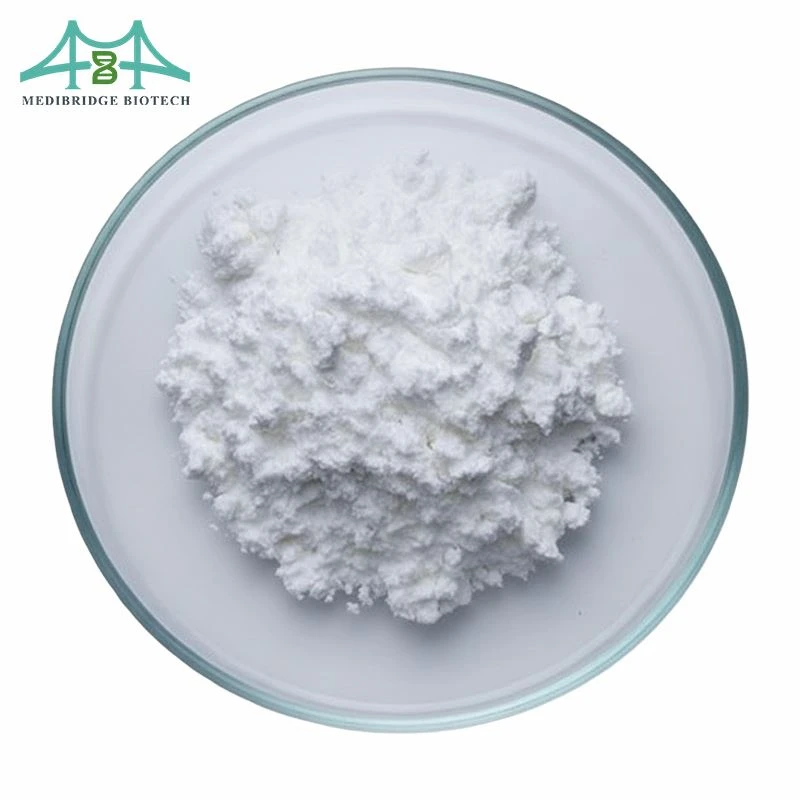


Clonidine Hydrochloride Powderor metoprolol hydrochloride, is a common drug in the beta-blocker class. In patients with glaucoma, migraines, severe dysmenorrhea, menopausal hot flashes, and glaucoma, it is primarily used to treat moderate to severe hypertension. It regulates the contractility and heart rate of the heart by affecting the β1 adrenergic receptors of the heart, lowering blood pressure and reducing cardiac load, thereby achieving therapeutic effects. As a beta-blocker, it stops the sympathetic nervous system from impacting the heart and blood vessels. It selectively blocks β1 adrenergic receptors, reduces cardiac excitability and contractility, and lowers heart rate and cardiac output, thereby reducing cardiac oxygen consumption, improving myocardial ischemia, and reducing the frequency and severity of angina pectoris. In addition, it can dilate coronary arteries, increase coronary blood flow, and improve myocardial blood supply.
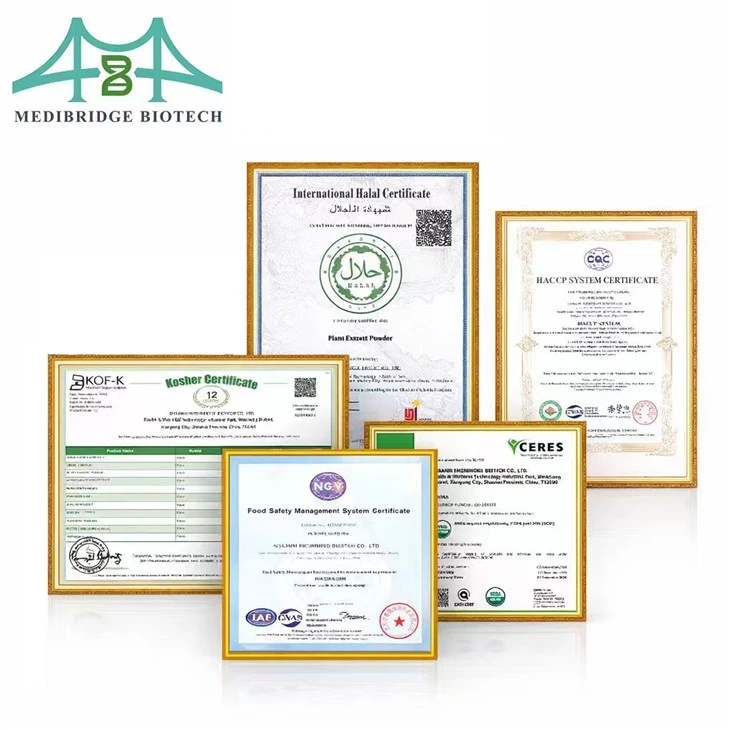
Shaanxi Medibridge Biotech Co., Ltd. focuses on the supply of pharmaceutical raw materials and research-use compounds. We support customers with stable quality, clear specification communication, flexible packaging options, and document-related support for different project stages.
COA
|
|
||
|
Product Name |
CAS Number |
Batch Number |
|
Clonidine Hydrochloride Powder |
4205-91-8 |
MB2608250249 |
|
Manufacturer Date |
Analysis Date |
Expiry Date |
|
2026/8/25 |
2026/8/26 |
2028/8/25 |
|
Sample Qty Base |
Packing |
Test Method |
|
800GS |
15GS/bottle |
HPLC |
|
|
||
|
Item |
Standard |
Results |
|
Description |
White crystalline powder |
Conforms |
|
Solubility |
Soluble in water and alcohol |
Conforms |
|
Identification |
Infrared absorption (197K) |
Conforms |
|
Ultraviolct absorption (197u) |
Conforms |
|
|
Spot tests for the chloride (191) |
Conforms |
|
|
Clarity and color of solution |
Complies to the standard |
Conforms |
|
PH Value |
3.5~5.5 |
4.5 |
|
Loss on drying |
≤0.5% |
2.3% |
|
Residue on ignition |
≤0.1% |
0.06% |
|
Residual solvents(Ethanol) |
Complies to the standard |
Conforms |
|
Related substance |
Individual impurity≤0.1% |
|
|
Total impurities≤0.2% |
Conforms |
|
|
Assay(on dried basis) |
98.5%~101.0% |
99.68% |
|
Conclusion |
The batch conforms to the IN-HOUSE standard |
|
|
|
||


α2-Adrenergic Receptor Agonism
Clonidine activates α₂-adrenergic receptors, which comprise three principal subtypes:
|
Receptor subtype |
Encoding gene |
Research relevance |
|
α₂A |
ADRA2A |
Neurotransmission, neuronal excitability, and central nervous system functions |
|
α₂B |
ADRA2B |
Vascular responses and other tissue-specific functions |
|
α₂C |
ADRA2C |
Neuromodulation and context-dependent cellular signaling |
Recombinant receptor studies using assays such as [35S]GTPγS binding have compared clonidine's potency and efficacy across these subtypes.
Gi/o, Adenylyl Cyclase, and cAMP Signaling
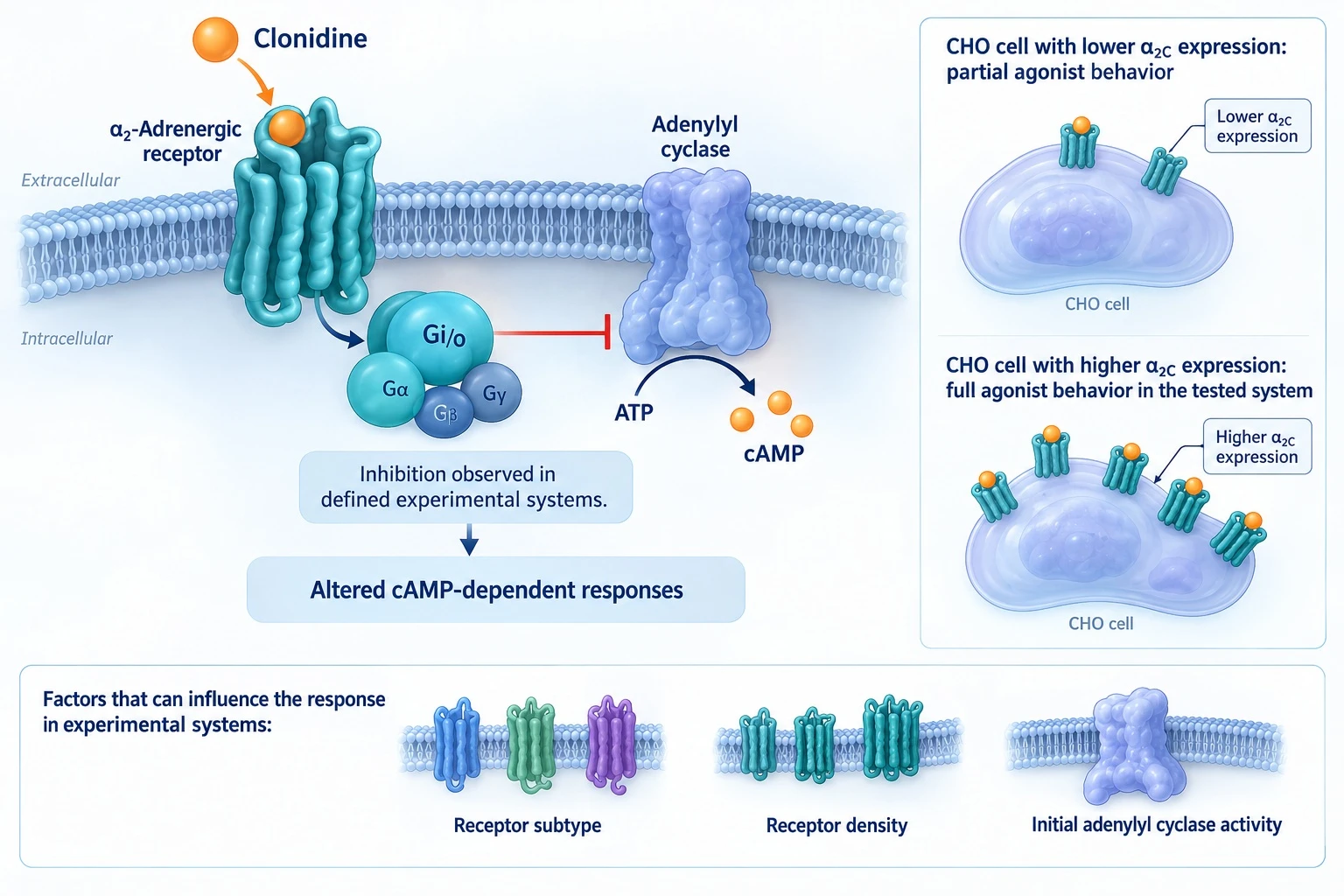
α₂-Adrenergic receptors commonly couple to Gi/o proteins. A conventional signaling framework is:
Clonidine → α₂-receptor activation → Gi/o signaling → adenylyl cyclase regulation → altered cAMP-dependent responses.
Original studies have demonstrated clonidine-associated inhibition of adenylyl cyclase in cellular and membrane preparations.
However, this should not be interpreted as a universal decrease in cAMP under every experimental condition. Research in transfected CHO cells demonstrated that receptor subtype, receptor density, and the initial activity of adenylyl cyclase influence the response. Clonidine displayed partial or full agonist behavior at α₂C receptors depending on receptor expression.
Neuronal Electrophysiology and Noradrenergic Signaling
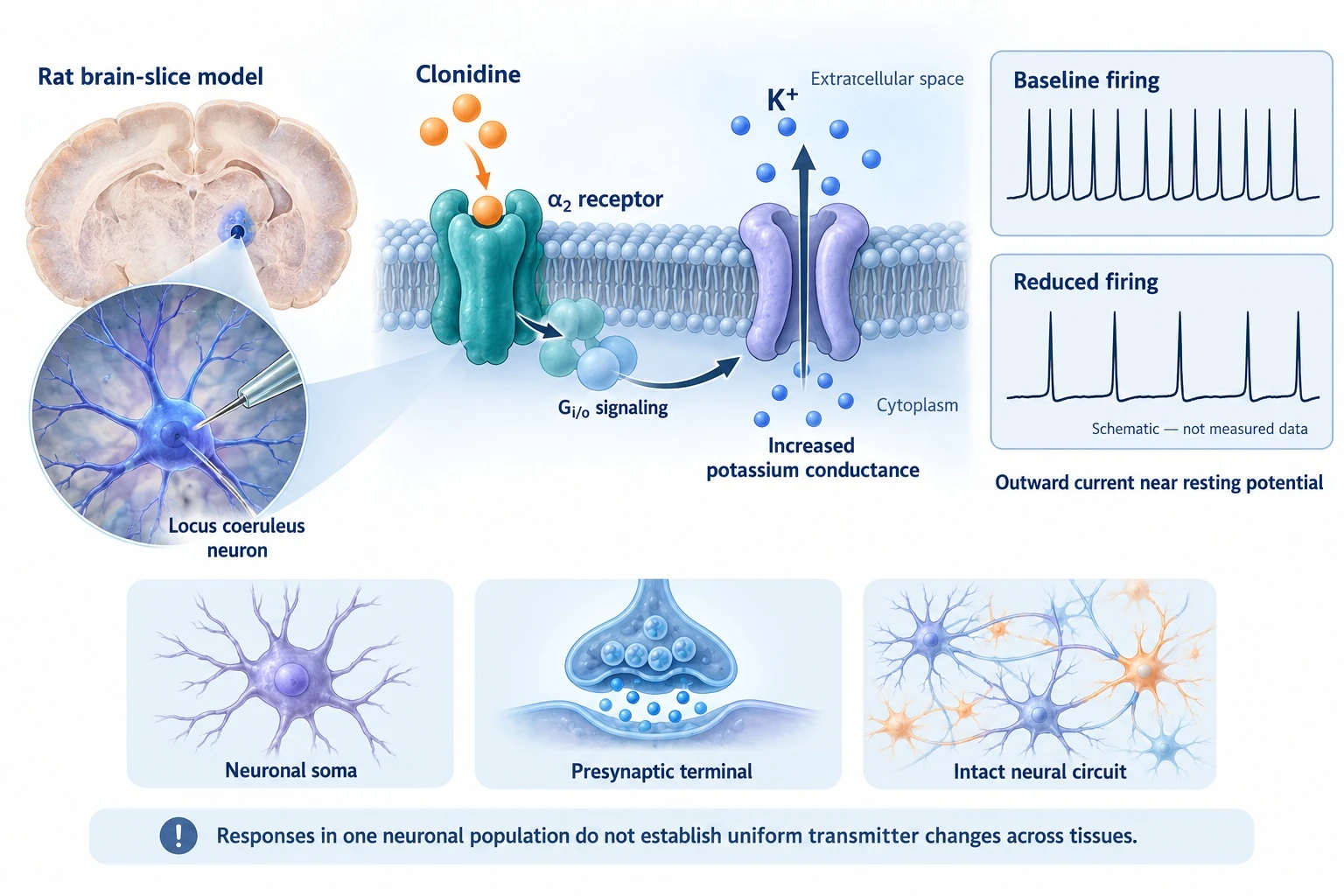
Clonidine hydrochloride is useful for investigating noradrenergic neuronal excitability. The locus coeruleus, LC, is a classical experimental model.
Original rat brain-slice research demonstrated that clonidine increased potassium conductance in LC neurons, producing an outward current near resting membrane potentials. These observations provide electrophysiological evidence for a mechanism that reduces neuronal excitability.
Neuronal cell bodies, presynaptic terminals, and intact neural circuits should be distinguished. Reduced firing in one population does not establish identical neurotransmitter responses throughout the brain or peripheral tissues.
Imidazoline-Associated Activity and Mechanistic Attribution
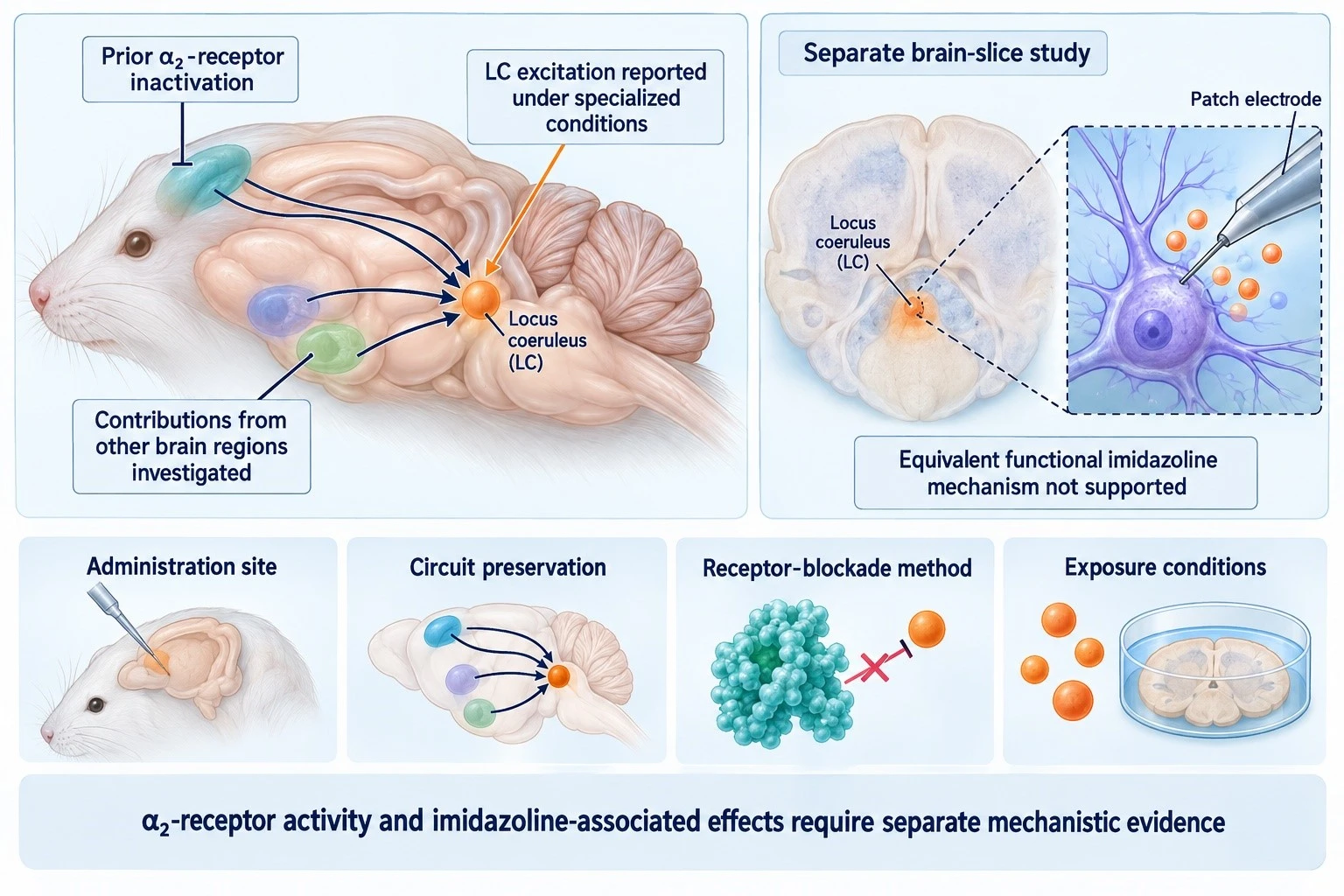
Clonidine is also used in imidazoline-related pharmacological research. However, α₂-receptor activity and imidazoline-associated effects should not be treated as interchangeable explanations.
An original study observed clonidine-associated excitation of LC neurons under specialized conditions involving prior α₂-receptor inactivation and investigated contributions from other brain regions. A separate brain-slice study did not support an equivalent functional imidazoline-receptor mechanism in LC neurons.
These differences highlight the importance of administration site, preservation of neural circuitry, receptor-blockade methods, and exposure conditions.
Autonomic and Cardiovascular Research Models
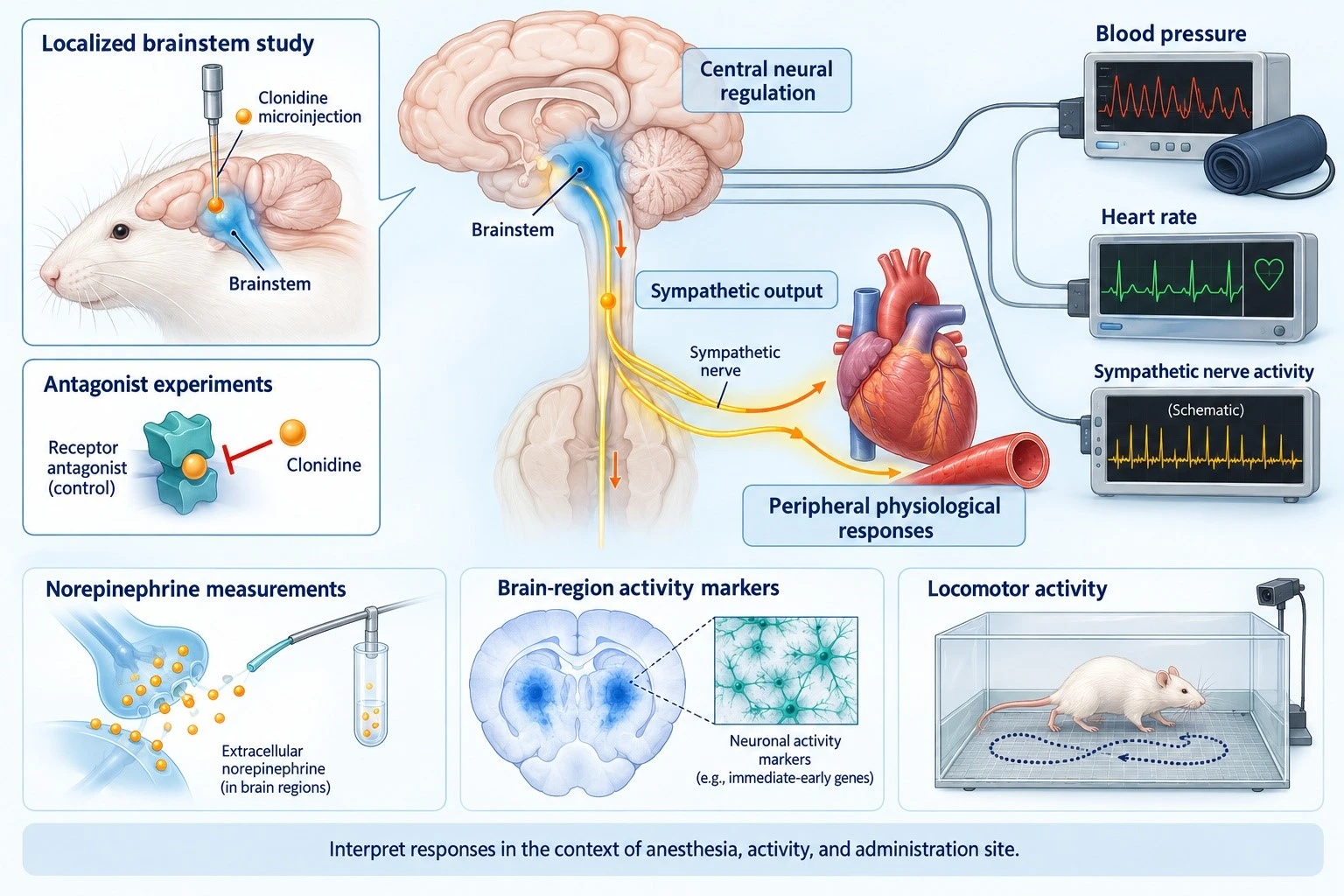
Clonidine can be used to investigate relationships between central neural regulation and peripheral physiological responses.
A localized brainstem microinjection study measured blood pressure and heart-rate responses and used antagonist experiments to support α₂-receptor involvement. Another investigation combined sympathetic activity, brain-region activity markers, and prefrontal norepinephrine measurements. pubmed.ncbi.nlm.nih.gov
Relevant endpoints include blood pressure, heart rate, sympathetic nerve activity, neurotransmitter release, locomotor activity, and experimental state.
Nociception, Arousal, and Behavioral Confounding
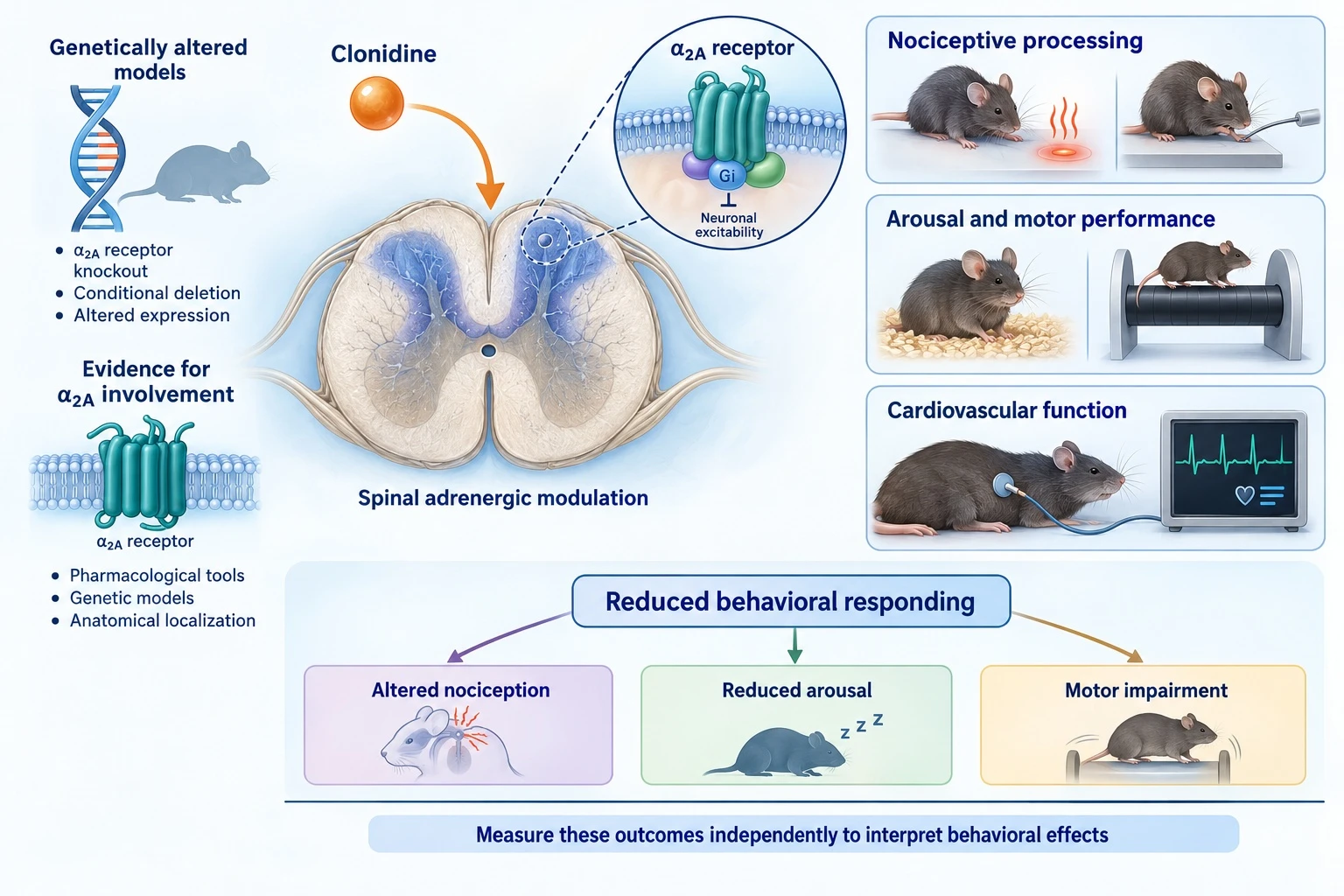
Clonidine hydrochloride is used to investigate spinal adrenergic modulation and nociceptive processing. Research involving genetically altered mice supports α₂A-receptor involvement in clonidine-associated spinal antinociceptive responses.
However, reduced behavioral responding may also reflect changes in arousal, motor performance, or cardiovascular function.
Original animal research has separately evaluated antinociceptive, sedative or motor, and cardiovascular effects, demonstrating the value of measuring these outcomes independently.
FAQ
What is clonidine hydrochloride used for?
Clonidine hydrochloride is a centrally acting alpha-2 adrenergic agonist medication used primarily to treat high blood pressure (hypertension) and attention-deficit/hyperactivity disorder (ADHD).
What are the worst side effects of clonidine?
The worst and most dangerous side effects of clonidine include severe cardiovascular changes, extreme central nervous system depression, profound mental health reactions, and life-threatening withdrawal.
Why don't doctors like to prescribe clonidine?
Doctors often hesitate to prescribe clonidine as a first-line treatment due to significant side effects, compliance challenges, and the availability of better alternative medications.
Is clonidine hydrochloride used for sleep?
No, clonidine HCl is not a traditional sleeping pill.
If you are looking for a high-quality Clonidine Hydrochloride Powder manufacturer with whom you can establish a long-term, stable partnership, then Shaanxi Medibridge Biotech Co., Ltd. would be your best business partner. Don't hesitate to contact us at hi@medibridgeapi.com.
Hot Tags: clonidine hydrochloride powder, China clonidine hydrochloride powder manufacturers, suppliers, factory


