


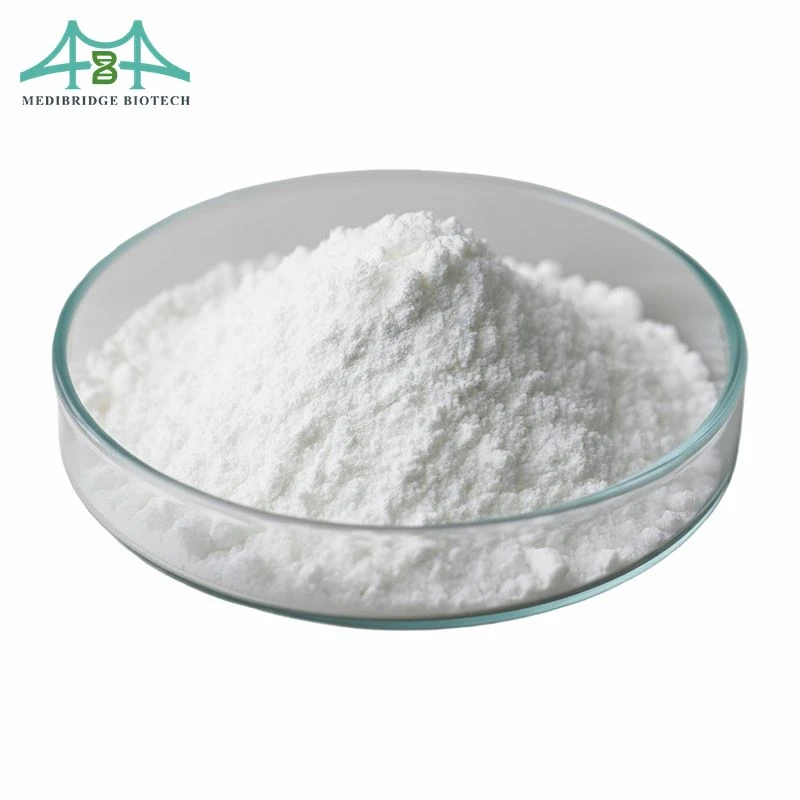
Sepiwhite MSH Powder is an active ingredient used to whiten skin. Its full name is Undecylenoyl phenylalanine. This compound is widely used in cosmetics and skin care products as an effective skin whitening agent through its unique mechanism of action. The mechanism of action of it mainly involves the regulation of the melanin production pathway. It acts on the enzyme tyrosinase within skin cells, a key enzyme in the formation of melanin. Sepiwhite MSH can inhibit the activity of this enzyme, thereby reducing the production of melanin and achieving a skin-whitening effect. In addition, it can also affect the distribution of melanin, making it evener and further improving the overall brightness and evenness of the skin. Regarding chemical structure, it belongs to a fatty acylated amino acid derivative. Its molecular structure contains a fatty acyl moiety and a phenylalanine moiety. The combination of these two moieties gives bulk sepiwhite MSH its specific biological activity. This structure makes it better permeable to the skin and can effectively exert its whitening effect. Due to its good whitening effect and relatively low irritation, it is widely used in various whitening products, such as facial creams, essences, lotions, etc. It can also cooperate with other whitening ingredients to improve the whitening effect and is very popular in the cosmetics industry.
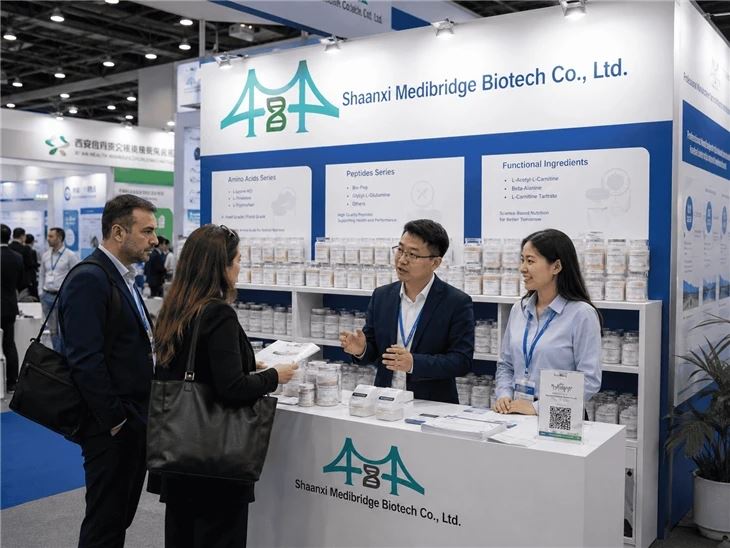
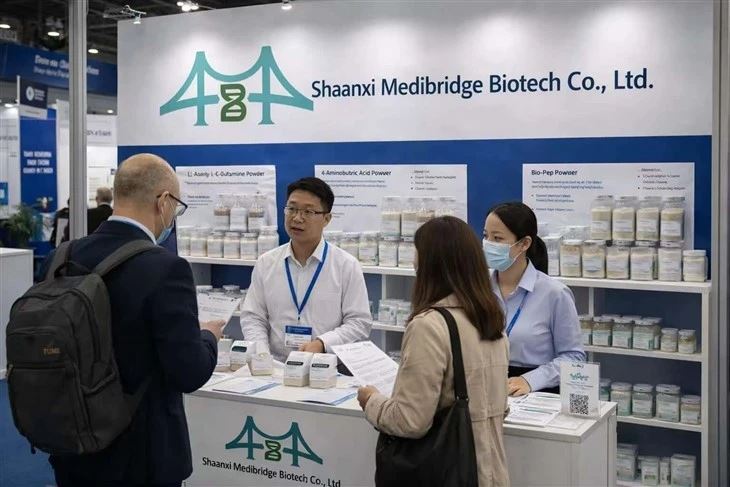
Shaanxi Medibridge Biotech Co., Ltd. focuses on the supply of pharmaceutical raw materials and research-use compounds. We support customers with stable quality, clear specification communication, flexible packaging options, and document-related support for different project stages.
COA
|
|
||
|
Product Name |
CAS Number |
Batch Number |
|
Sepiwhite MSH Powder |
175357-18-3 |
MB2608250225 |
|
Manufacturer Date |
Analysis Date |
Expiry Date |
|
2026/8/25 |
2026/8/26 |
2028/8/25 |
|
Sample Qty Base |
Packing |
Test Method |
|
850GS |
15GS/bottle |
HPLC |
|
|
||
|
Item |
Standard |
Results |
|
Appearance |
White Powder |
Conform |
|
Odor |
Characteristic |
Conform |
|
Assay |
≥99.0% |
99.36% |
|
Particle Size |
100% pass 80mesh |
Conform |
|
Moisture |
<5.0% |
Conform |
|
Ash Content |
<4.0% |
Conform |
|
Solvent Residue |
Eur.Pharm |
Conform |
|
Total Heavy Metals |
<10 ppm |
Conform |
|
Arsenic |
<1.0 ppm |
Conform |
|
Lead |
<1.0 ppm |
Conform |
|
Mercury |
<0.5 ppm |
Conform |
|
DDT |
<0.2ppm |
Conform |
|
E. Coli |
Negative |
Negative |
|
GMO Status |
Complies |
GMO Free |
|
Irradiation |
Complies |
Irradiation Free |
|
Conclusion |
The batch conforms to the IN-HOUSE standard |
|
|
|
||


Modulation of α-MSH–Related Pigmentation Signaling
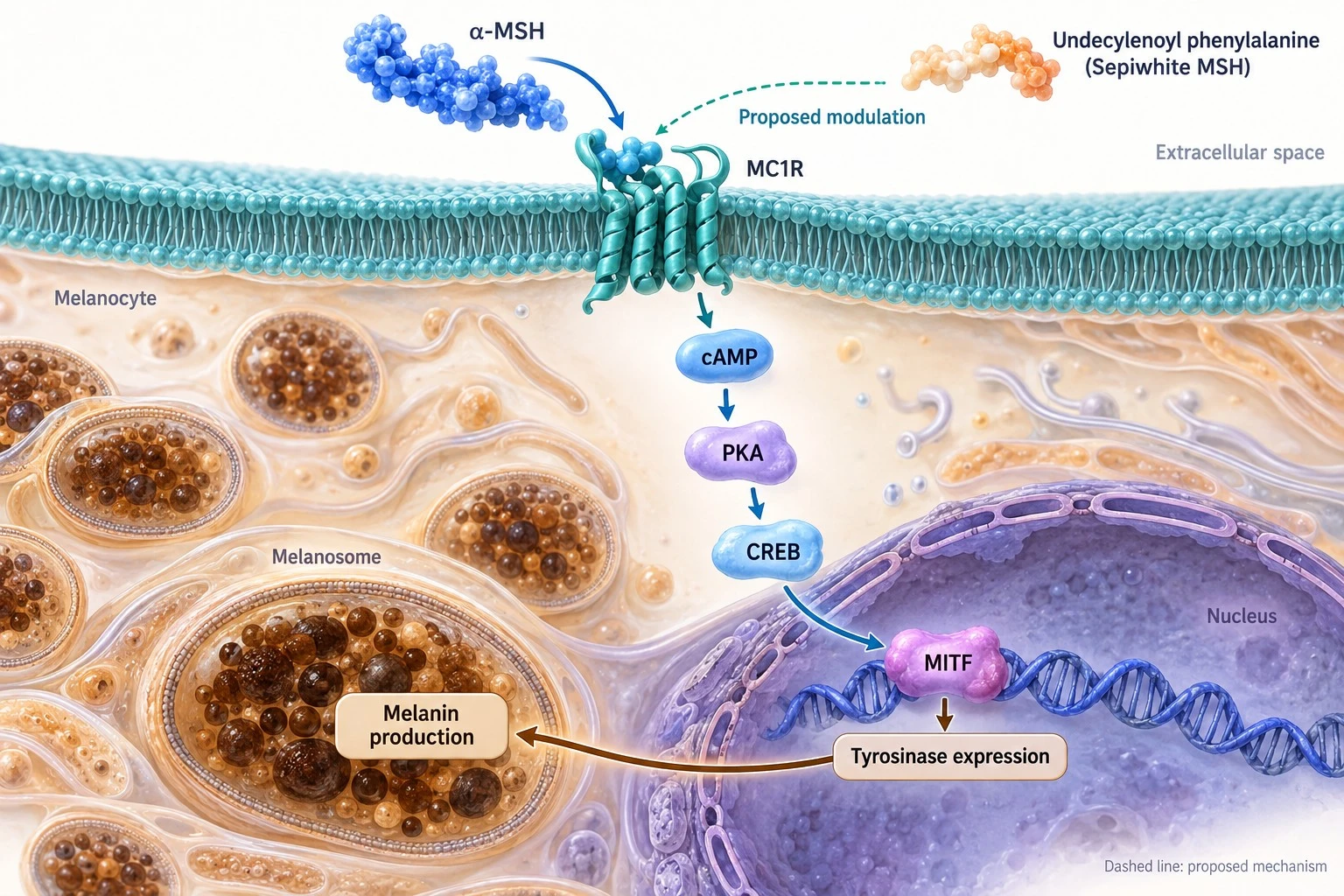
Undecylenoyl phenylalanine, the active ingredient associated with Sepiwhite MSH, is studied for its effects on α-melanocyte-stimulating hormone (α-MSH)–related pigmentation signaling.
α-MSH participates in melanogenesis through the melanocortin 1 receptor (MC1R). The downstream signaling network involves cAMP, protein kinase A, CREB, MITF, and pigmentation-related proteins such as tyrosinase.
A useful research framework is:
α-MSH stimulation → receptor-associated signaling → changes in melanogenic gene and protein expression → altered melanin production.
Distinguishing Enzyme Inhibition from Expression Changes
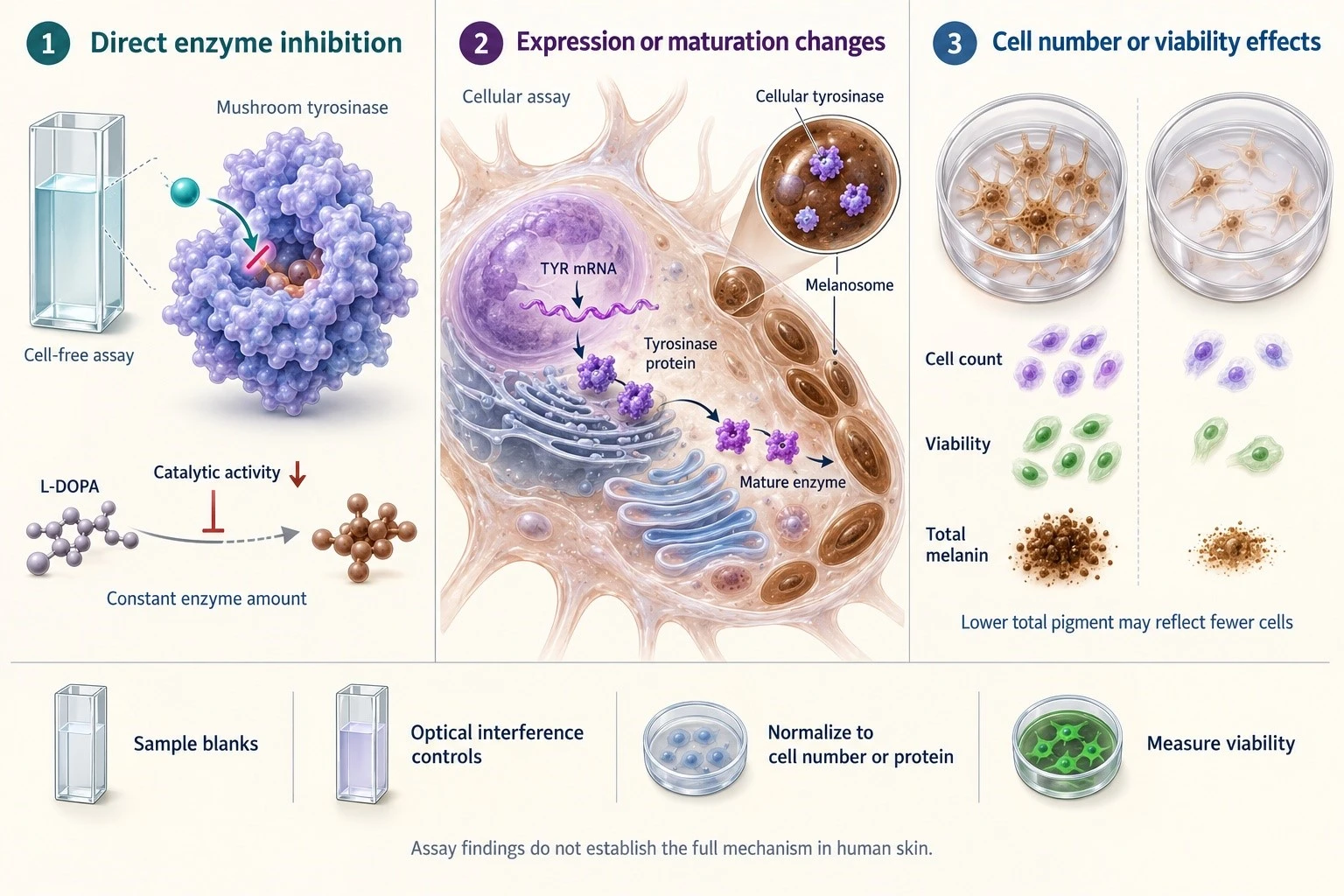
Tyrosinase-related research should distinguish three possibilities:
- Direct inhibition of enzyme catalytic activity.
- Reduced expression or maturation of cellular tyrosinase.
- Lower total melanin resulting from reduced cell number or viability.
An original formulation study evaluated undecylenoyl phenylalanine using both mushroom tyrosinase and cellular tyrosinase assays. These findings provide evidence under the tested conditions, but do not establish that direct enzyme inhibition explains all effects observed in human skin.
Findings and Limits of Interpretation
Published controlled human studies provide evidence for selected formulations containing undecylenoyl phenylalanine. Their results should remain linked to the tested formulation, population, and observation period.
- Facial Hyperpigmentation and Niacinamide Combinations
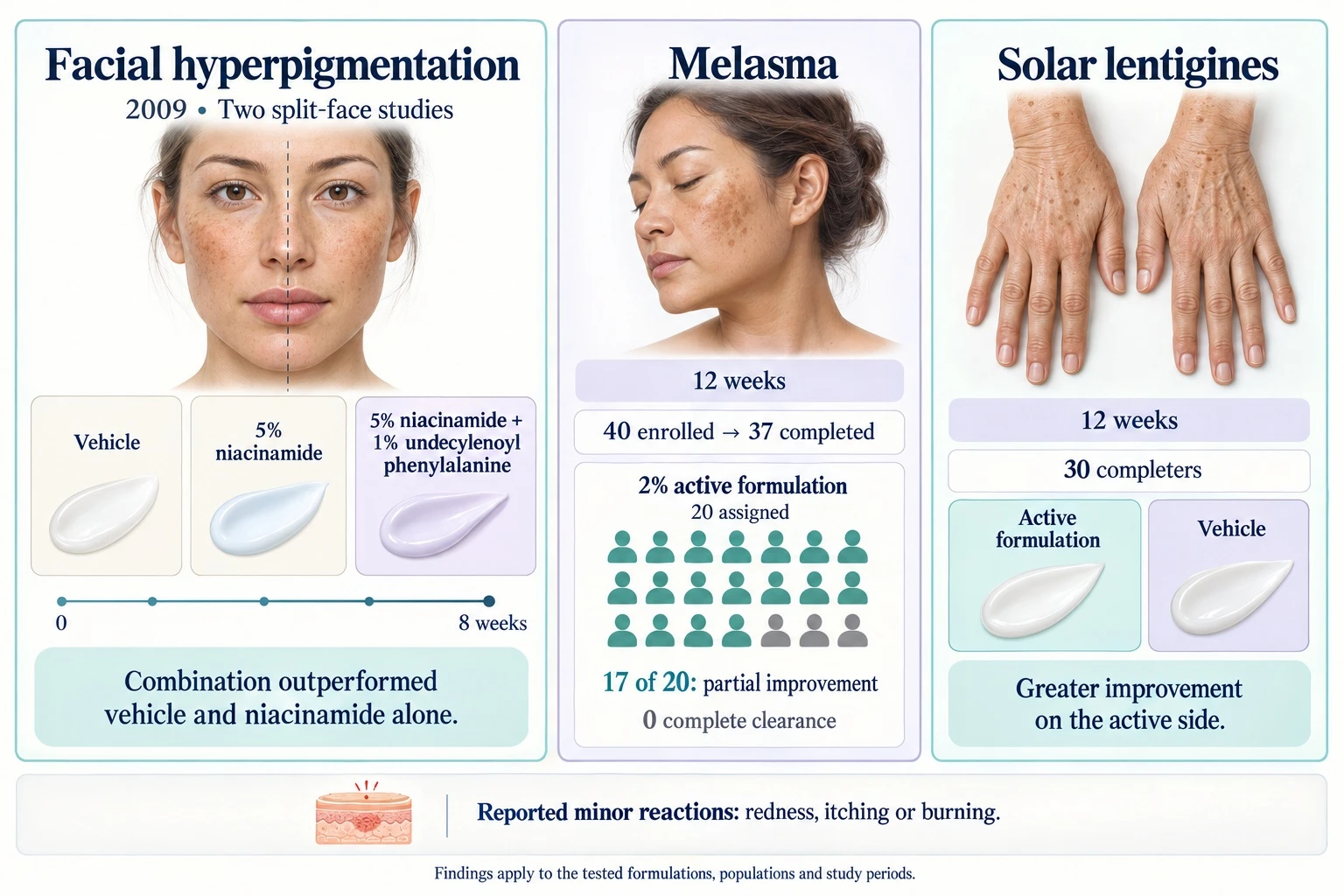
Two randomized, double-blind, split-face studies published in 2009 evaluated formulations including vehicle, 5% niacinamide, and 5% niacinamide plus 1% undecylenoyl phenylalanine.
After eight weeks of application, the combination formulation reduced the appearance of facial hyperpigmentation more effectively than vehicle or 5% niacinamide alone.
- Other Pigmentation Studies
A 12-week melasma study enrolled 40 women, of whom 37 completed the study. Among the 20 participants assigned to the formulation containing 2% undecylenoyl phenylalanine, 17 showed partial improvement; none showed complete clearance.
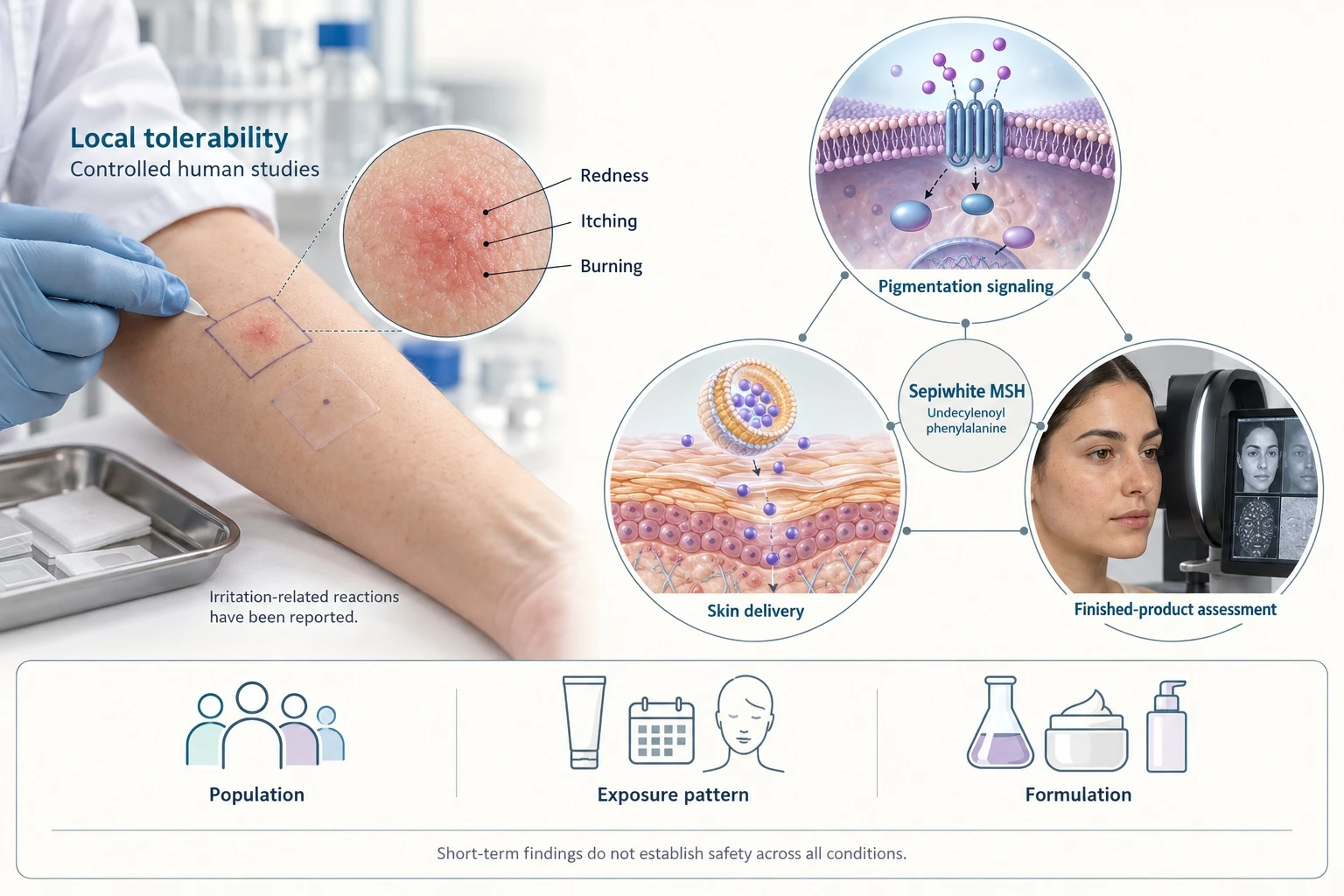
A separate 12-week study of solar lentigines on the hands had 30 completers and reported greater improvement on the active-formulation side than on the vehicle side. Minor reactions included redness, itching, or burning.
Skin Delivery
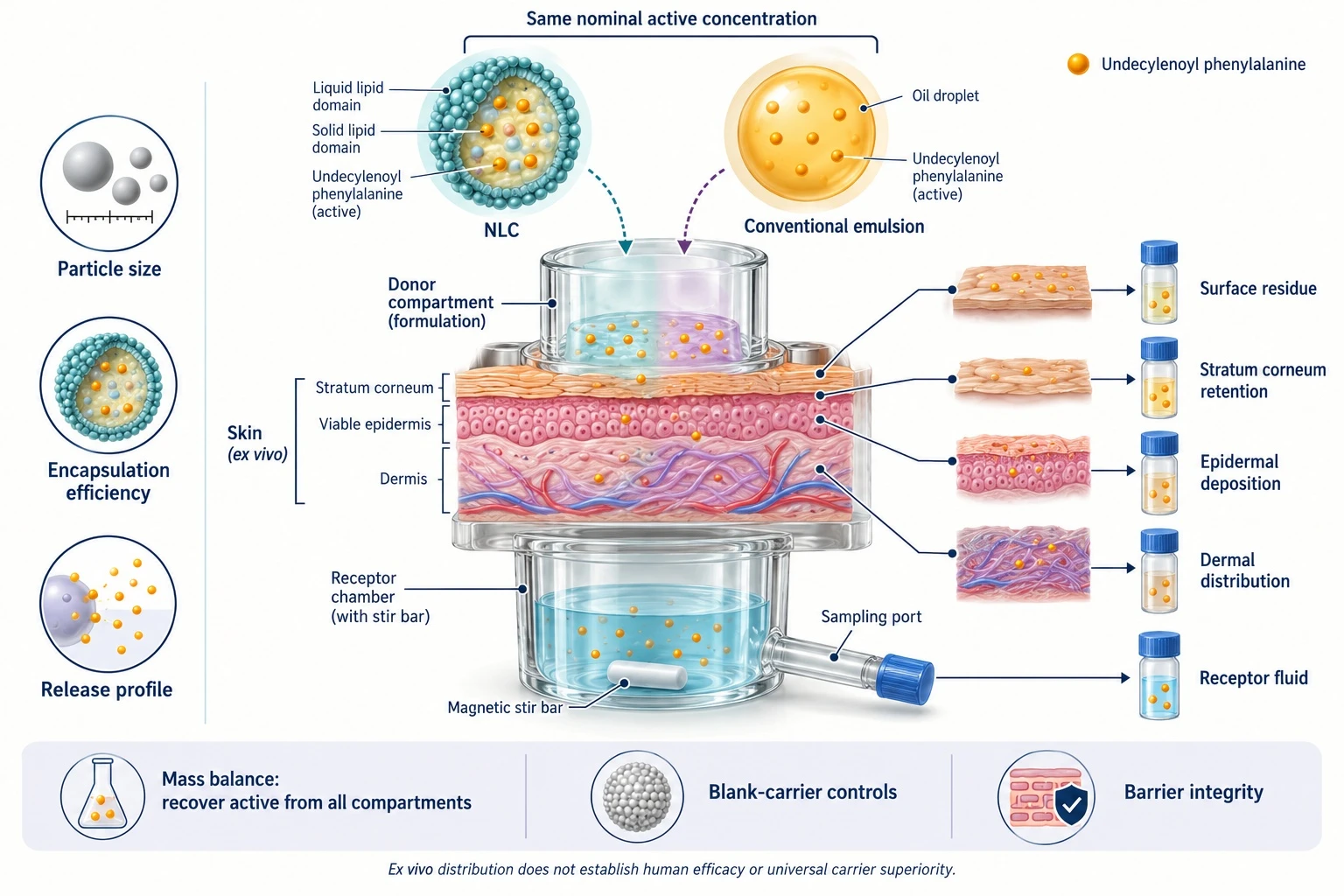
Undecylenoyl phenylalanine has been investigated in nanostructured lipid carriers (NLCs), with measurements covering particle size, encapsulation efficiency, release, and ex vivo skin distribution.
Under the study conditions, its release and skin-accumulation profiles differed from those of a conventional emulsion.
These results illustrate why formulations containing the same nominal concentration can produce different tissue-exposure profiles. However, ex vivo findings cannot substitute for human efficacy testing or demonstrate that every nanocarrier is superior.
Delivery studies should distinguish:
Surface residue → stratum corneum retention → epidermal deposition → dermal distribution → appearance in receptor fluid.
A complete mass balance and blank-carrier controls help determine whether observed differences arise from the active ingredient, the carrier, or changes in barrier integrity.
Safety and Appropriate Research Positioning
Small controlled human studies provide some information on local tolerability, while also documenting irritation-related reactions. Undecylenoyl phenylalanine should therefore not be described as universally non-irritating, and short-term findings cannot establish safety for every population, exposure pattern, or formulation.
From a research perspective, Sepiwhite MSH connects pigmentation-signaling studies, skin-delivery development, and finished-product appearance assessments.
FAQ
Is sepiwhite a bleaching agent?
No, Sepiwhite is a skin-brightening and lightening active ingredient, not a harsh chemical bleaching agent.
Which powder is best for skin whitening?
Alpha Arbutin Powder and Kojic Acid Powder are the most effective active cosmetic powders for inhibiting melanin and lightening skin safely.
What are the differences between Sepiwhite and hydroquinone?
Hydroquinone is a potent, medical-grade skin-lightening agent that directly inhibits melanin production, while Sepiwhite MSH (undecylenoyl phenylalanine) is a cosmetic-grade amino acid derivative that acts as an alpha-MSH receptor antagonist to block the cellular signals that trigger melanin synthesis.
What is the INCI name for Sepiwhite MSH?
The INCI name for Sepiwhite MSH is Undecylenoyl Phenylalanine.
If you are looking for a high-quality Sepiwhite MSH Powder manufacturer with whom you can establish a long-term, stable partnership, then Shaanxi Medibridge Biotech Co., Ltd. would be your best business partner. Don't hesitate to contact us at hi@medibridgeapi.com.
Hot Tags: sepiwhite msh powder, China sepiwhite msh powder manufacturers, suppliers, factory


