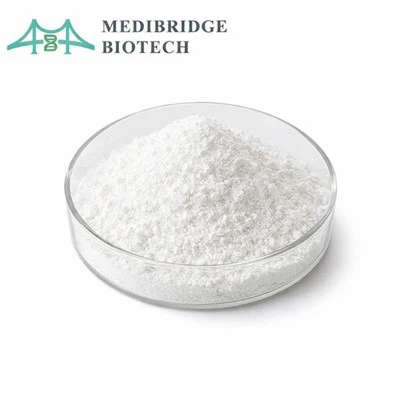
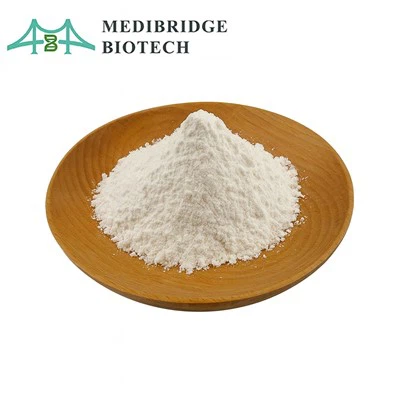
Gabapentin powder is an active pharmaceutical ingredient (API) supplied as a high-purity synthetic compound for pharmaceutical manufacturing and research use. It is produced through controlled chemical synthesis and is typically supplied as a white to off-white crystalline powder. As a single-compound material, it is commonly handled in professional compounding, formulation development, and analytical settings. Because of its solid powder form and purity level, gabapentin is generally processed through blending, encapsulation, or other controlled formulation steps rather than used directly.
In pharmaceutical and clinical practice, gabapentin has a long-established background in neurological treatment areas, including neuropathic pain, epilepsy, and restless legs syndrome (RLS). It is formulated into dosage forms such as capsules, oral solutions, and suspensions, where formulation design and dose control are key considerations. Although its structure is related to γ-aminobutyric acid (GABA), gabapentin does not act through direct GABA receptor binding, which is why it is often discussed separately in central nervous system research and drug development.
In addition to human medicine, the compound is also referenced in veterinary pharmaceutical use, where it may be included in compounded formulations for pain- or seizure-related conditions in animals. In all cases, this material is handled as a prescription-grade API intended for professional use. At Shaanxi Medibridge Biotech Co., Ltd., the focus remains on consistent bulk supply, pharmaceutical-grade specifications, and complete supporting documentation such as COA and MSDS for regulated development and long-term research projects.

COA
|
|
||
|
Product Name |
CAS Number |
Batch Number |
|
Gabapentin Powder |
60142-96-3 |
MB2601181030 |
|
Manufacturer Date |
Analysis Date |
Expiry Date |
|
2026-01-18 |
2026-01-19 |
2028-01-17 |
|
Sample Qty Base |
Packing |
Test Method |
|
500KGS |
25kg/drum |
HPLC |

|
Item |
Standard |
Results |
|
Appearance |
White to off-white crystalline powder |
Conforms |
|
Identification |
IR / HPLC |
Conforms |
|
Assay (HPLC) |
≥ 99.0% |
99.23% |
|
Loss on Drying |
≤ 0.5% |
0.13% |
|
Residue on Ignition |
≤ 0.1% |
0.05% |
|
Heavy Metals |
≤ 10 ppm |
Conforms |
|
Individual Impurity |
≤ 0.1% |
Conforms |
|
Total Impurities |
≤ 0.5% |
Conforms |
|
Solubility |
Slightly soluble in water |
Conforms |
|
Total Plate Count |
≤ 1,000 cfu/g |
Conforms |
|
Yeast & Mold |
≤ 100 cfu/g |
Conforms |
|
E. coli |
Negative |
Conforms |
|
Salmonella |
Negative |
Conforms |
|
Storage |
Store in cool & dry place. keep away from strong light and heat |
|
|
Conclusion |
The batch conforms to the IN-HOUSE standard |
|
|
|
||

What It's Used For
Gabapentin is commonly supplied as an active pharmaceutical ingredient (API) for the development and manufacture of prescription medications. It is supplied to pharmaceutical companies, compounding pharmacies, and research institutions as a high-purity raw material that can be formulated into different dosage forms. Common finished forms developed from gabapentin include capsules, oral liquids, suspensions, and other customized preparations, depending on formulation needs and regulatory requirements.
From a medical and research background standpoint, gabapentin has well-established use in neurological treatment areas. It is widely referenced in connection with neuropathic pain, seizure disorders such as epilepsy, and restless legs syndrome (RLS). These applications make gabapentin an important compound in central nervous system–related drug development, where formulation accuracy, stability, and dose control are critical factors.
Gabapentin powder is also used in professional compounding settings, where pharmacists prepare personalized dosage forms for patients who may require specific strengths, alternative delivery formats, or excipient adjustments. In addition, it appears in veterinary pharmaceutical applications, where compounded gabapentin formulations may be used to support pain management or seizure-related treatment in animals. In all cases, the powder itself is intended for professional formulation and manufacturing use rather than direct administration.

Typical Application Areas

Human Pharmaceutical Use
In human medicine, gabapentin is widely used as an active pharmaceutical ingredient for neurological conditions. In clinical practice, it appears in prescription drugs developed for neuropathic pain, epilepsy, and restless legs syndrome (RLS). As a raw material, gabapentin powder is formulated into capsules, oral solutions, or suspensions, where accurate dosing, stability, and consistency are essential to meet pharmaceutical standards.

Compounding Pharmacy Applications
In compounding pharmacy settings, gabapentin powder is used to prepare customized dosage forms based on individual patient needs. This includes adjusting dose strength, modifying excipients for better tolerance, or creating alternative formats such as liquids or suspensions when standard tablets are not suitable. In these applications, the powder's high purity and consistent particle profile are important for safe and precise formulation.

Veterinary Pharmaceutical Use
Gabapentin is also used in veterinary medicine, where it may be included in compounded formulations for animals experiencing pain or seizure-related conditions. Veterinary applications often require flexible dosing and alternative delivery formats, making gabapentin powder a practical choice for professional compounding under veterinary guidance.

Pharmaceutical Research & Development
Beyond finished drug products, gabapentin powder is commonly used in pharmaceutical research and development. It supports formulation screening, stability testing, and dosage-form optimization during early-stage development and lifecycle management of neurological drugs. In these contexts, gabapentin functions as a reference API rather than a consumer-facing ingredient.

How It Works
Gabapentin works through a mechanism that is related to, but distinct from, the GABA system. Although its chemical structure resembles γ-aminobutyric acid (GABA), gabapentin does not bind directly to GABA receptors and does not act as a classic GABA agonist. Instead, its activity is primarily associated with modulation of calcium channel–related pathways in the nervous system.
More specifically, gabapentin is known to interact with the α2δ subunit of voltage-gated calcium channels. Through this interaction, it influences the release of certain excitatory neurotransmitters involved in neural signal transmission. This mechanism is why gabapentin is widely discussed in the context of neurological conditions where abnormal nerve signaling plays a role, such as neuropathic pain and seizure-related disorders.
From a pharmaceutical development perspective, this mode of action makes gabapentin a well-established compound for central nervous system–related drug design and formulation work. Its predictable mechanism and clinical background allow researchers and formulators to focus on dosage control, delivery format, and long-term stability rather than uncertainty around biological behavior. In this context, gabapentin functions as a mature and well-characterized API rather than an experimental or exploratory compound.

Safety & Regulatory Notes
Gabapentin powder is an active pharmaceutical ingredient (API) intended for professional use only. It is used in pharmaceutical manufacturing, compounding, and research, and is not marketed as a dietary supplement or consumer product. Regulatory requirements for gabapentin vary by country and region, and its use is generally subject to prescription and pharmaceutical control. The material should be handled by trained professionals in compliance with applicable regulations. Supporting documents such as COA and MSDS should be reviewed prior to use to ensure proper quality, safety, and regulatory compliance.

Why Choose Us
At Shaanxi Medibridge Biotech Co., Ltd., gabapentin powder is supplied with a focus on consistency, documentation, and long-term reliability. We provide pharmaceutical- and research-grade materials with clear specifications, stable batch quality, and complete supporting documents such as COA and MSDS. Our supply model supports bulk orders, customized specifications, and ongoing projects, helping customers maintain continuity in formulation development, compounding, and regulated pharmaceutical research.

FAQ
Q: What is gabapentin powder mainly used for?
A: It is mainly used as an API for pharmaceutical manufacturing, compounding, and research.
Q: Is gabapentin powder a natural ingredient?
A: No, gabapentin is a synthetic compound produced through chemical synthesis.
Q: Can gabapentin powder be used in dietary supplements?
A: No, it is not positioned or supplied as a dietary supplement ingredient.
Hot Tags: gabapentin powder, China gabapentin powder manufacturers, suppliers, factory, Telmisartan Powder, Best NAD Powder, Cilostazol Powder, Pure Pregabalin Powder, Omadacycline Powder, Prilocaine Powder