What Is Glutathione?
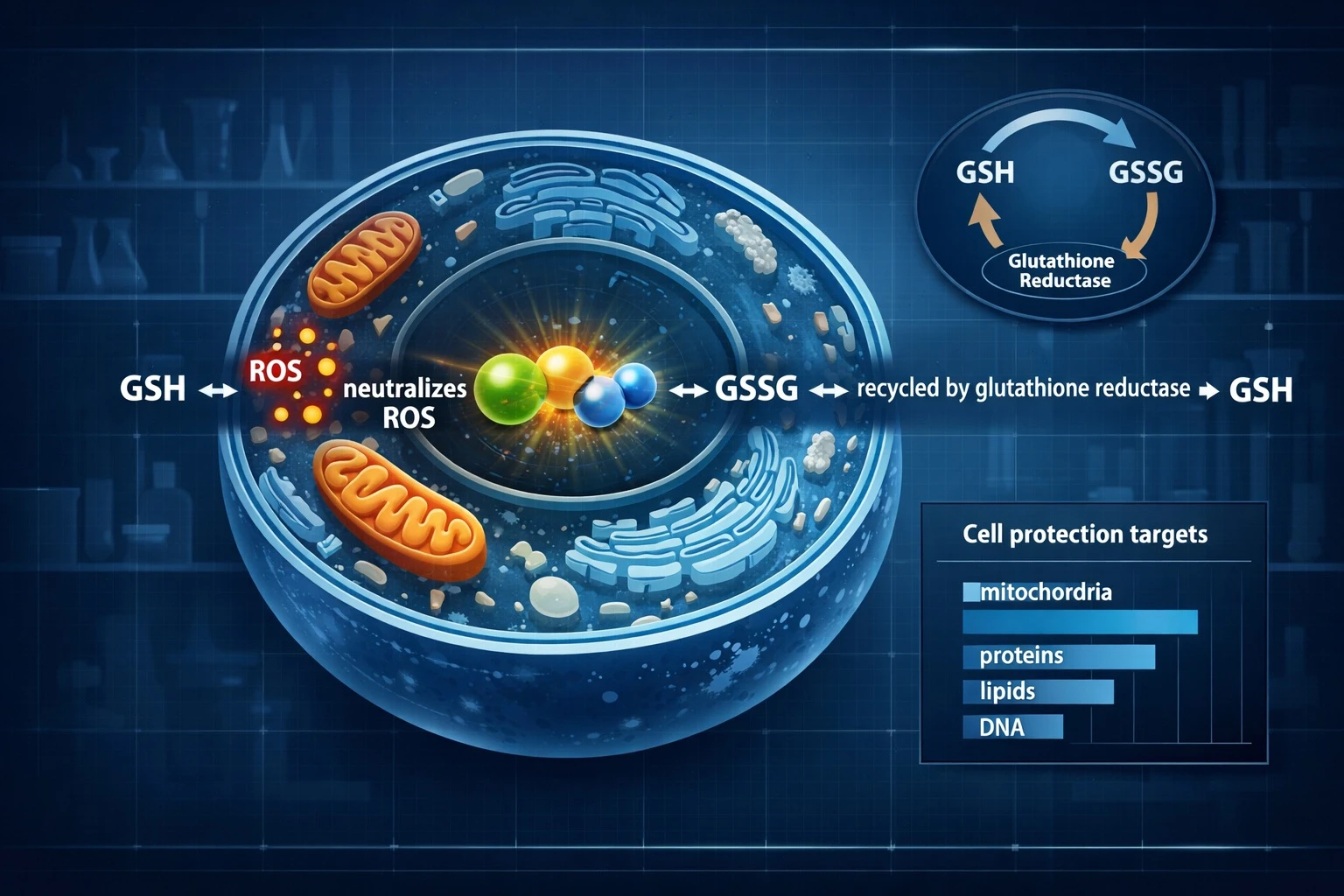
Glutathione is a naturally occurring tripeptide made from three amino acids: glutamate, cysteine, and glycine. It is often called the body's "master antioxidant" because it is found inside nearly every cell and helps maintain redox balance. Glutathione exists mainly in reduced and oxidized forms, allowing it to neutralize reactive oxygen species and then be recycled for continued antioxidant defense.
How Glutathione Works in Cells
Glutathione supports cellular protection by donating electrons to stabilize free radicals and reactive oxygen species. After this process, reduced glutathione, known as GSH, becomes oxidized glutathione, or GSSG, which can be converted back by glutathione reductase. This recycling system helps protect mitochondria, proteins, lipids, and DNA from oxidative damage while supporting detoxification pathways and overall cellular homeostasis.
Why Glutathione Attracts Interest
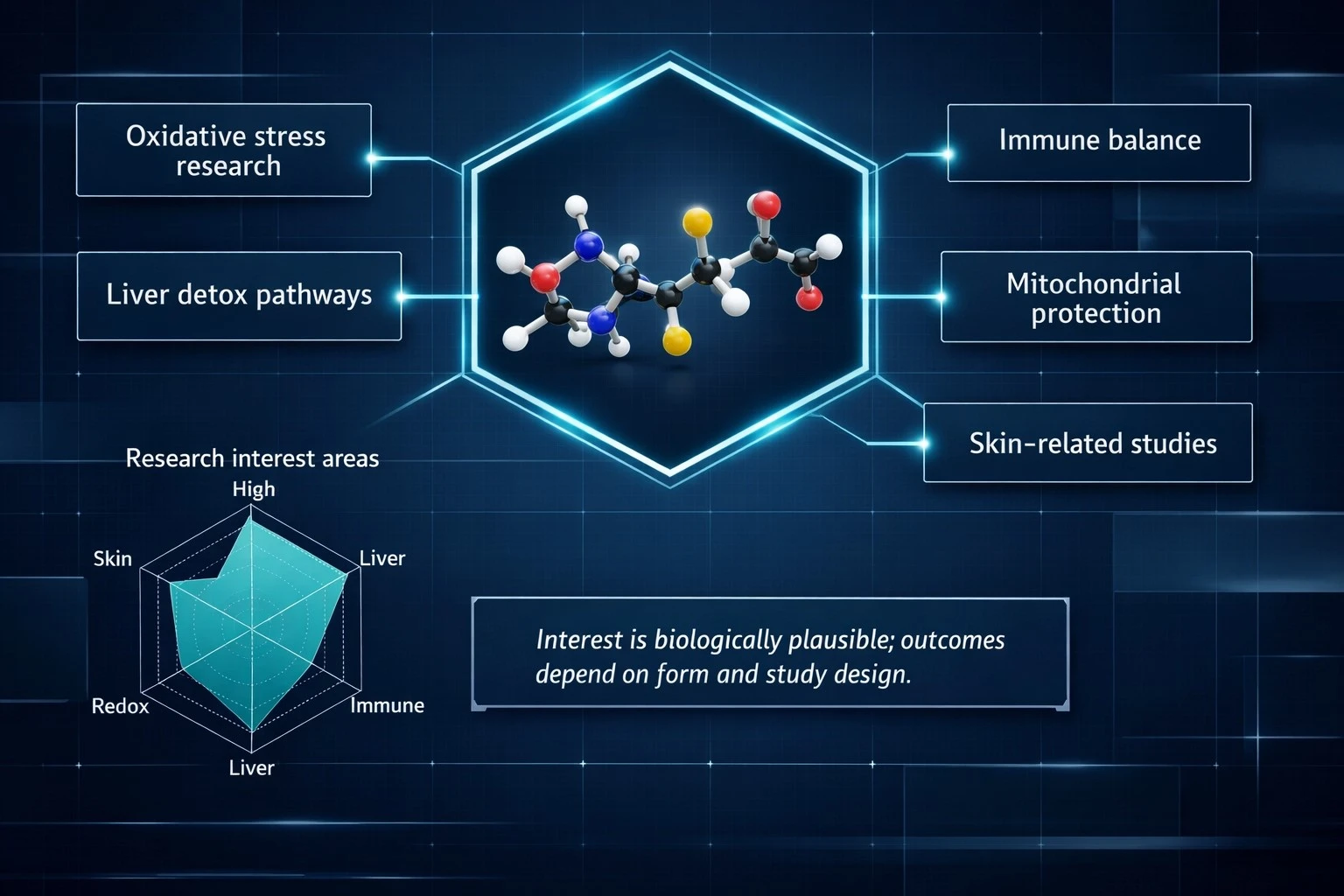
Glutathione is widely studied for its role in oxidative stress, liver function, immune activity, mitochondrial protection, and skin-related research. Because oxidative stress is connected to aging, inflammation, environmental exposure, and metabolic stress, compounds involved in antioxidant defense receive strong attention. Some studies also explore glutathione's influence on melanin-related pathways and skin brightness, though results depend on form, dose, duration, and study design.
Forms, Quality, and Storage Considerations
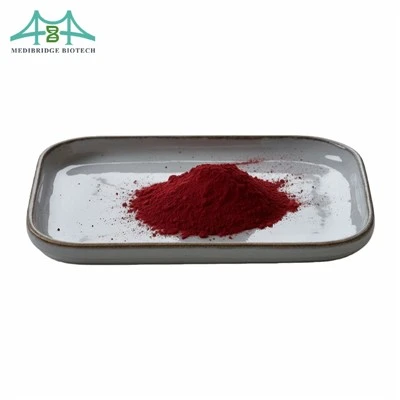
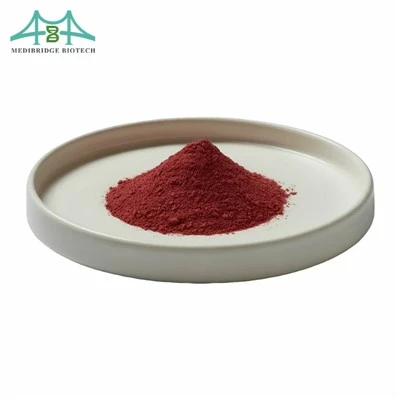
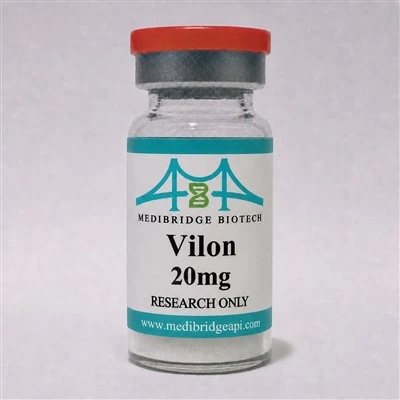
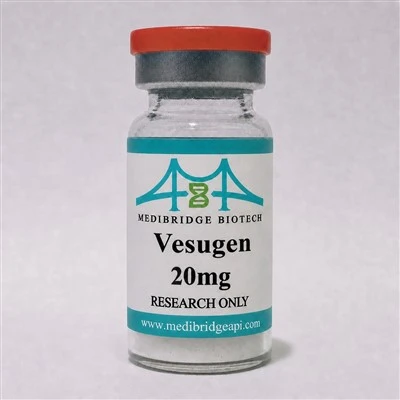
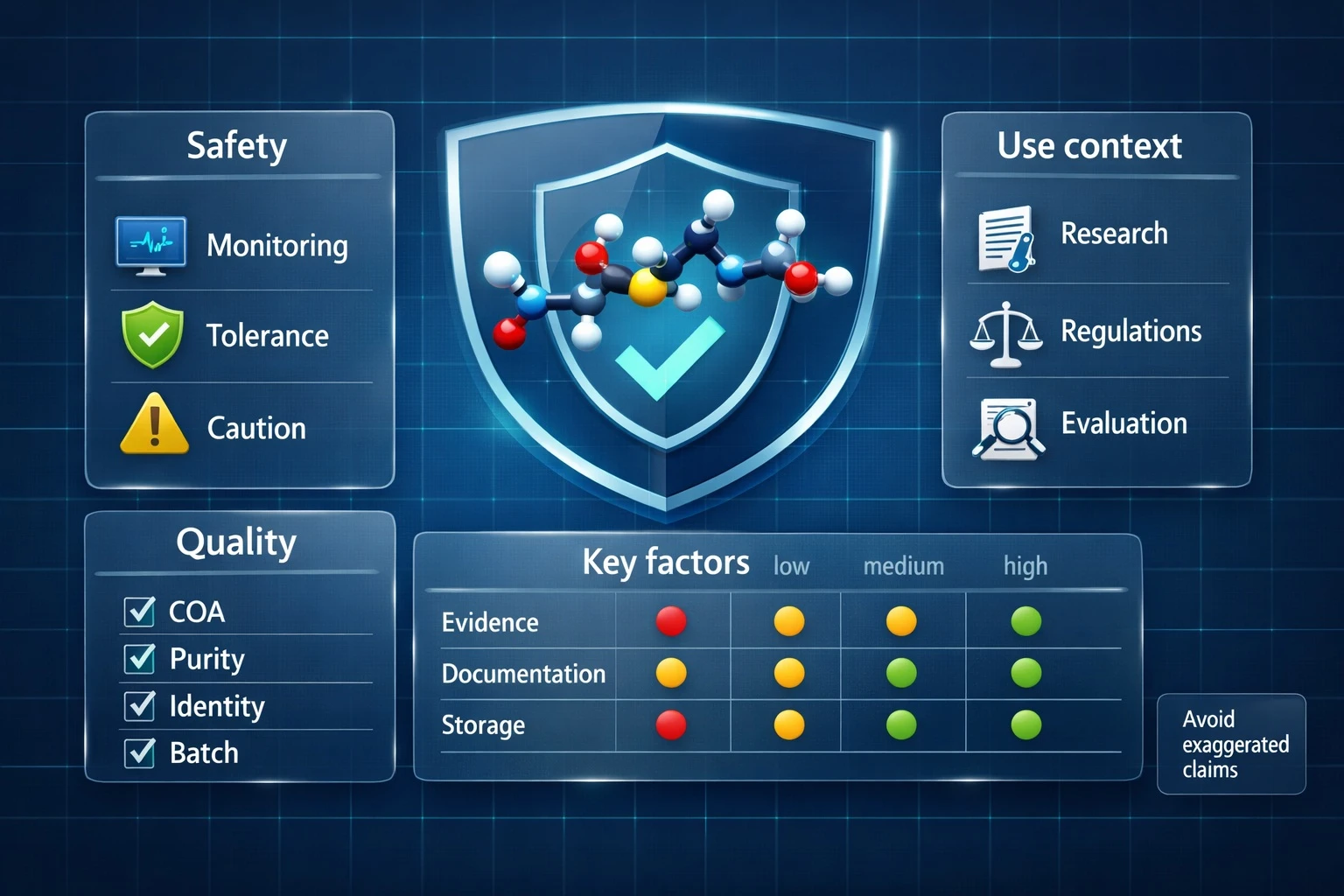
Glutathione is available in different forms, including oral, liposomal, topical, and injectable research formats. Product quality matters because stability, purity, identity testing, and storage conditions can influence reliability. Lyophilized materials are commonly protected from heat, light, and moisture, while reconstituted preparations generally require refrigeration and careful handling. Buyers should review documentation such as COA, HPLC purity, MS identity, batch records, and clear storage guidance.

Safety and Key Takeaways
Glutathione plays an important biological role, but product use should be interpreted responsibly and within the appropriate regulatory context. Research discussions often focus on antioxidant defense, detoxification support, immune balance, and skin-related outcomes, but broad therapeutic claims should be avoided. For suppliers, researchers, and informed buyers, the key priorities are transparent documentation, evidence-based positioning, proper storage, and avoiding exaggerated claims about disease treatment or guaranteed cosmetic results.
Shaanxi Medibridge Biotech Co., Ltd. provides research peptides for laboratories, academic institutions, and biotechnology organizations worldwide. If you need a high‑purity peptide partner for enduring cooperation, email hi@medibridgeapi.com.