


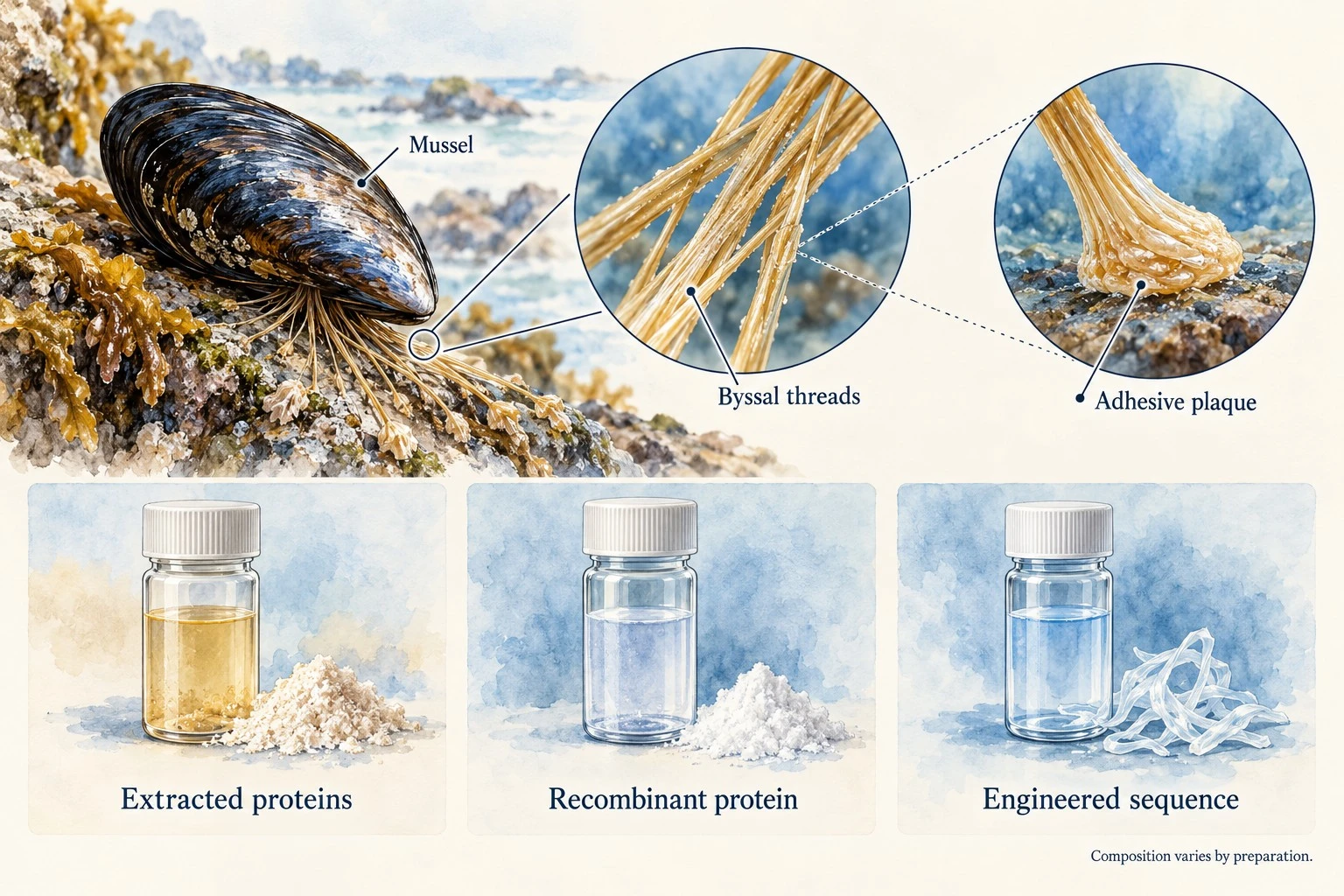
From Marine Attachment to Research Material
A mussel's attachment system includes byssal threads and adhesive plaques containing several specialized proteins. "Mussel adhesive protein" therefore describes a family of materials rather than one universally defined substance. Research powders may contain extracted proteins, individual recombinant proteins, or engineered sequences inspired by natural mussel foot proteins. These preparations should not be assumed interchangeable. Identifying the protein type, production method, molecular composition, and modification state is essential before comparing experiments. A product name alone cannot establish whether a powder reproduces the composition or performance of a natural adhesive plaque.
DOPA: An Important Chemical Feature
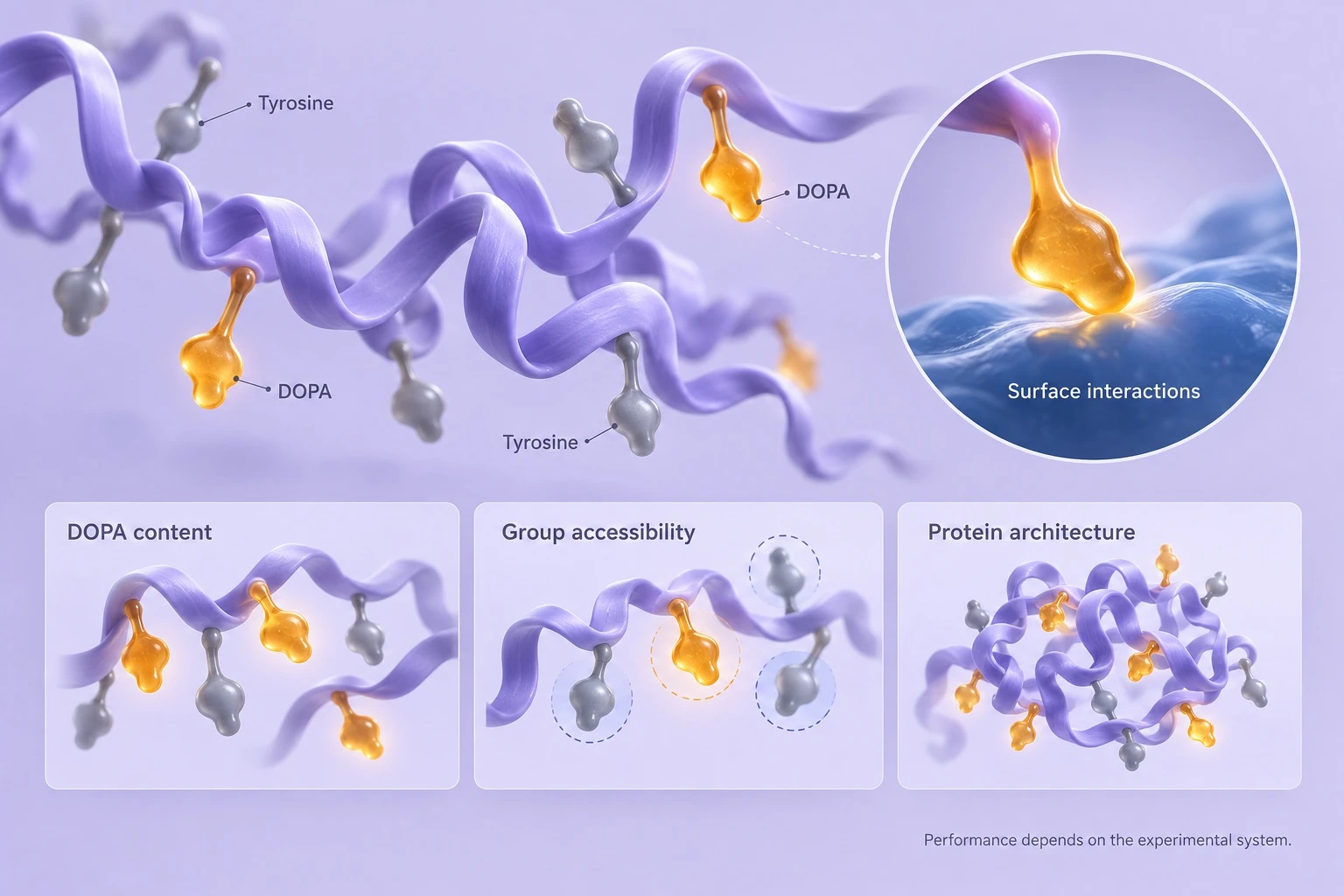
One distinctive feature of many mussel adhesive proteins is DOPA, or 3,4-dihydroxyphenylalanine, a modified amino acid with a catechol group. This group supports interactions with surfaces, although its contribution depends on the surrounding protein sequence and experimental environment. Research comparing recombinant protein variants with different DOPA and tyrosine contents demonstrates how modification can be investigated systematically. DOPA content is consequently an important characterization parameter, but it is not a complete performance specification. Molecular arrangement, accessibility of binding groups, and the properties of the substrate also influence the measured adhesion.
Why Wet-Surface Adhesion Is Challenging
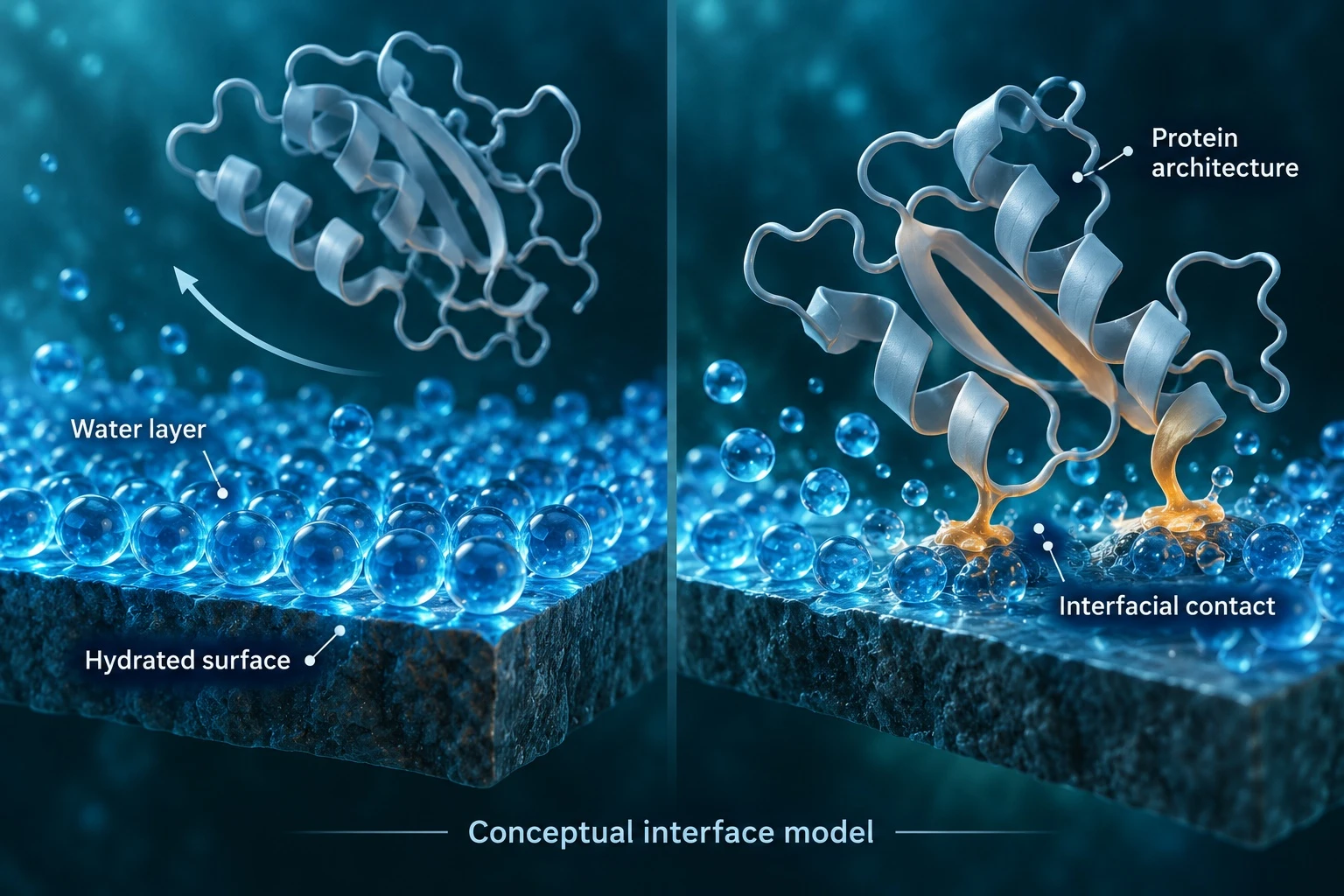
Water creates a difficult interface for adhesives because a hydrated surface can prevent close contact between the material and its substrate. Mussel proteins provide models for studying how molecular interactions operate across this boundary. Their behavior involves more than simply adding catechol groups to a protein. Research on a hydrophobic variant of mussel foot protein 3 showed that the local molecular environment contributes to adhesive and cohesive interactions. This makes protein architecture an important research variable when designing experiments involving submerged minerals, coated surfaces, or other carefully defined laboratory substrates.
Oxidation Connects Adhesion with Network Chemistry
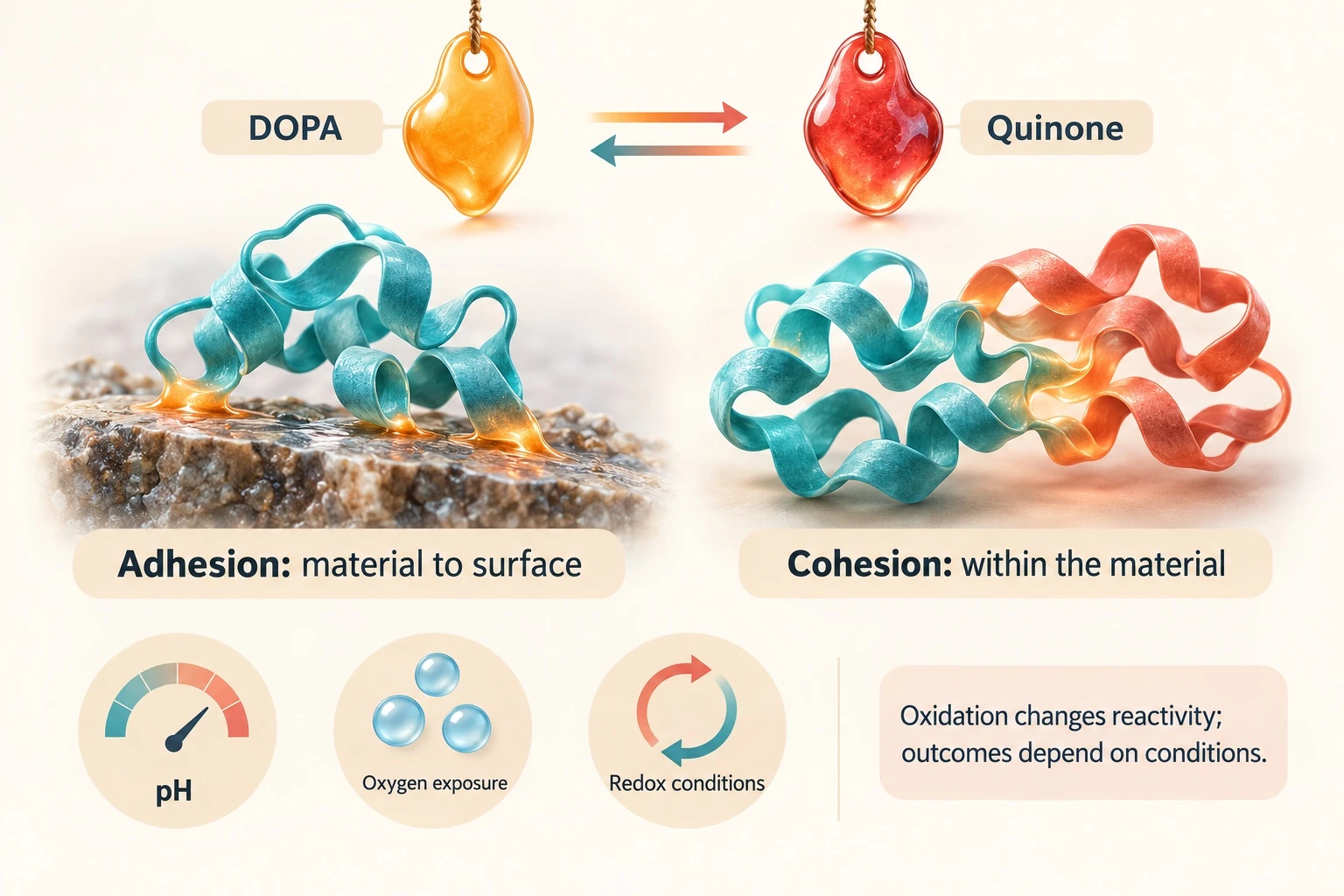
DOPA can oxidize to a quinone form, changing its chemical reactivity and its contribution to material behavior. Adhesion describes attachment to a substrate, whereas cohesion describes interactions within the adhesive material. Oxidation can influence both, and stronger bonding should not be assumed to follow automatically from greater oxidation. Experimental work on mussel-inspired peptide films found reduced cohesion under particular oxidizing conditions. Separate research identified thiol-mediated redox regulation in natural mussel proteins. Together, these findings make pH, oxygen exposure, and redox conditions central variables in laboratory investigations.
Recombinant Production and Powder Characterization
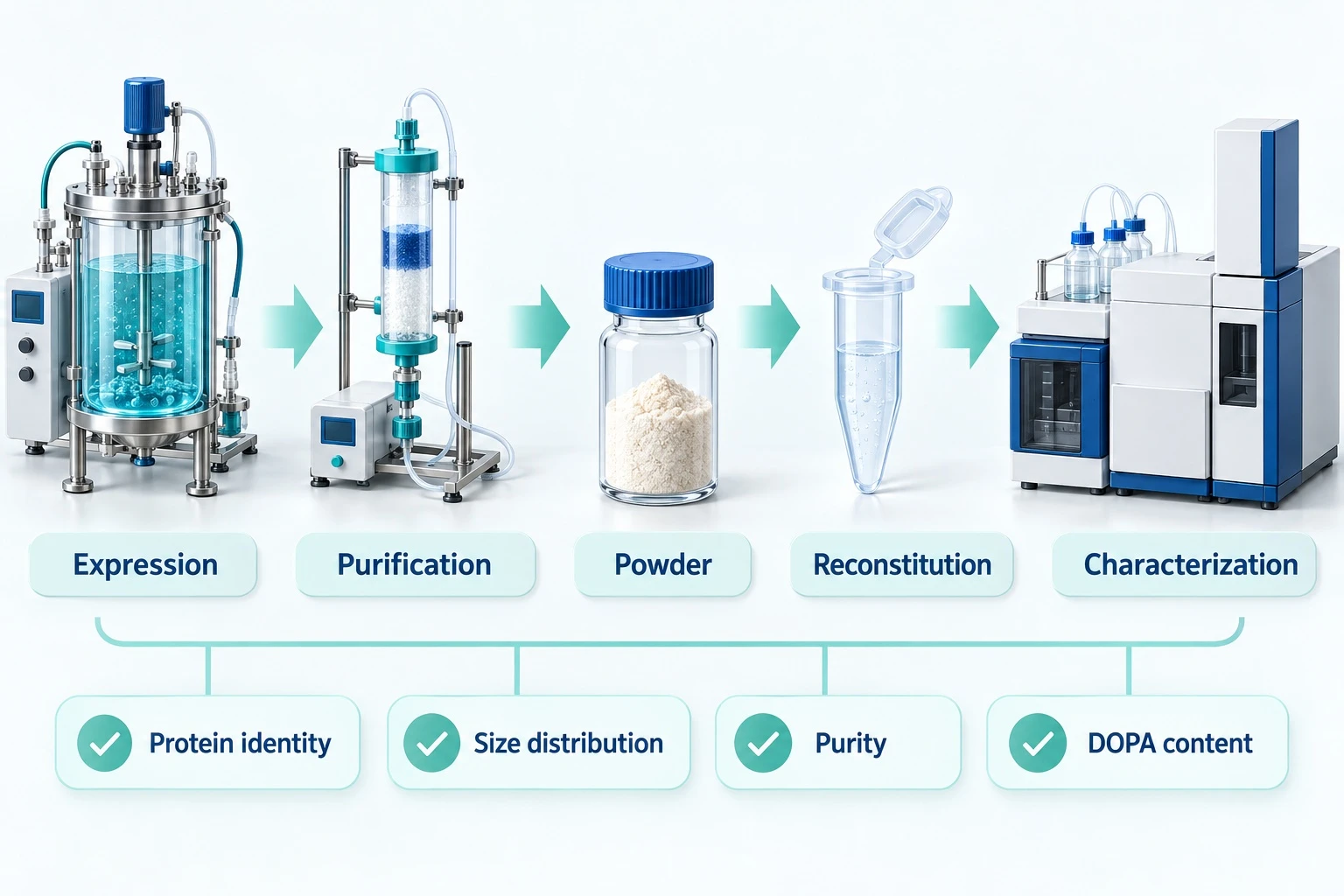
Recombinant production allows researchers to investigate defined protein sequences and engineered variants. However, producing the amino acid chain does not automatically reproduce every modification found in natural mussel proteins. Studies have examined enzymatic conversion of tyrosine to DOPA, alongside alternative production and analytical strategies. For a research powder, useful characterization includes protein identity, molecular-size distribution, purity, DOPA content, and reconstitution behavior. Researchers should also document buffer composition and sample handling. These measurements help distinguish differences caused by protein design from those introduced during purification, drying, storage, or solution preparation.
Measuring Performance in Materials Research
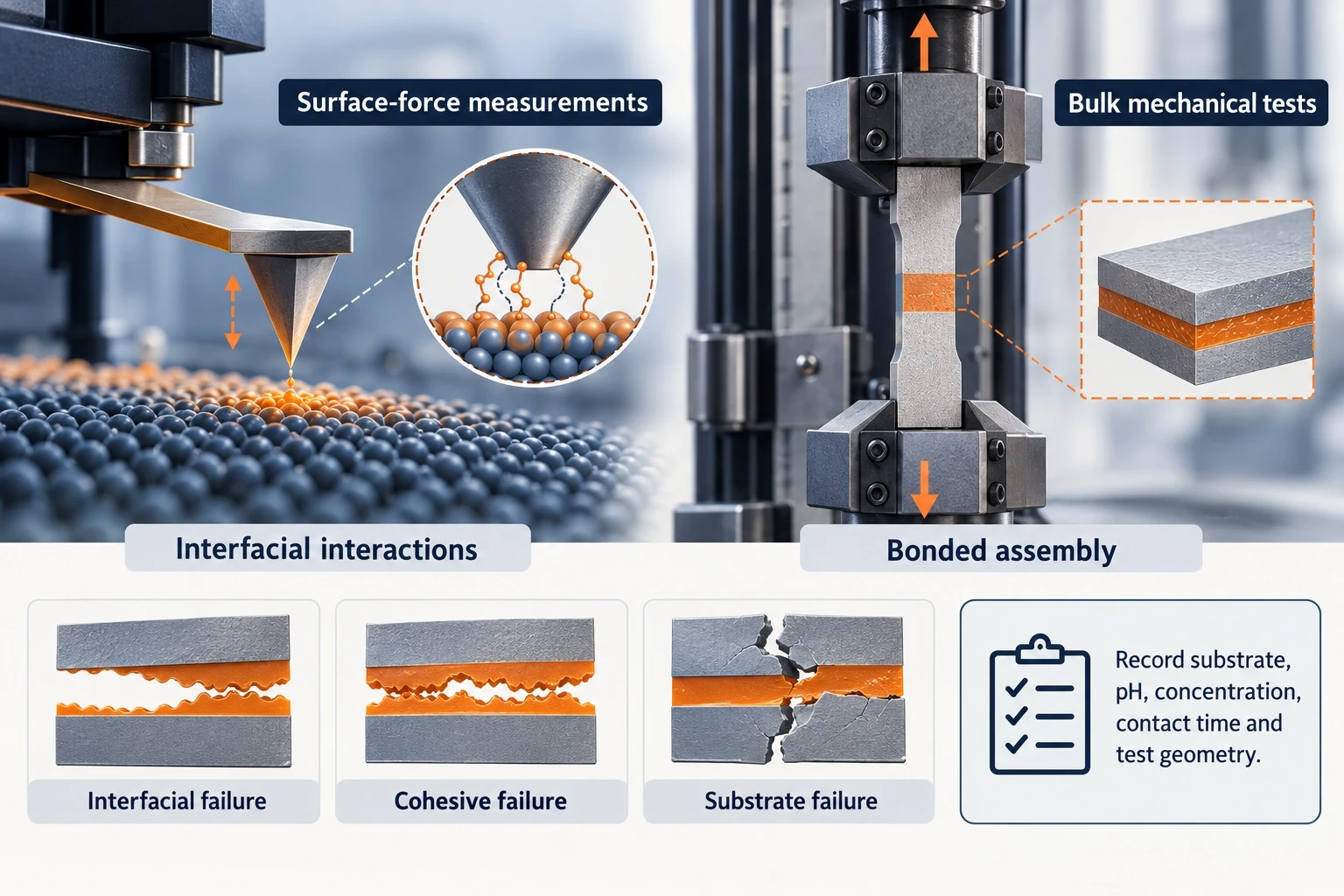
Mussel adhesive proteins offer useful platforms for investigating underwater bonding, adsorbed protein layers, and bio-inspired material design. Performance evaluation should match the intended scientific question. Surface-force measurements examine interactions between interfaces, while bulk mechanical tests assess bonded assemblies under specified loading conditions. These results describe different properties and should be compared carefully. A reproducible study records substrate chemistry, surface preparation, protein concentration, contact time, pH, and testing geometry. Including unmodified protein controls and checking where the assembly fails can help researchers distinguish interfacial adhesion from failure within the adhesive layer.
Shaanxi Medibridge Biotech Co., Ltd. is dedicated to supplying a wide range of research-grade products - including peptides, chemical compounds, and extracts - to laboratories, academic institutions, and biotechnology organizations worldwide. If you are seeking a partner for high-purity raw materials to establish a long-term collaboration, please email hi@medibridgeapi.com.


