


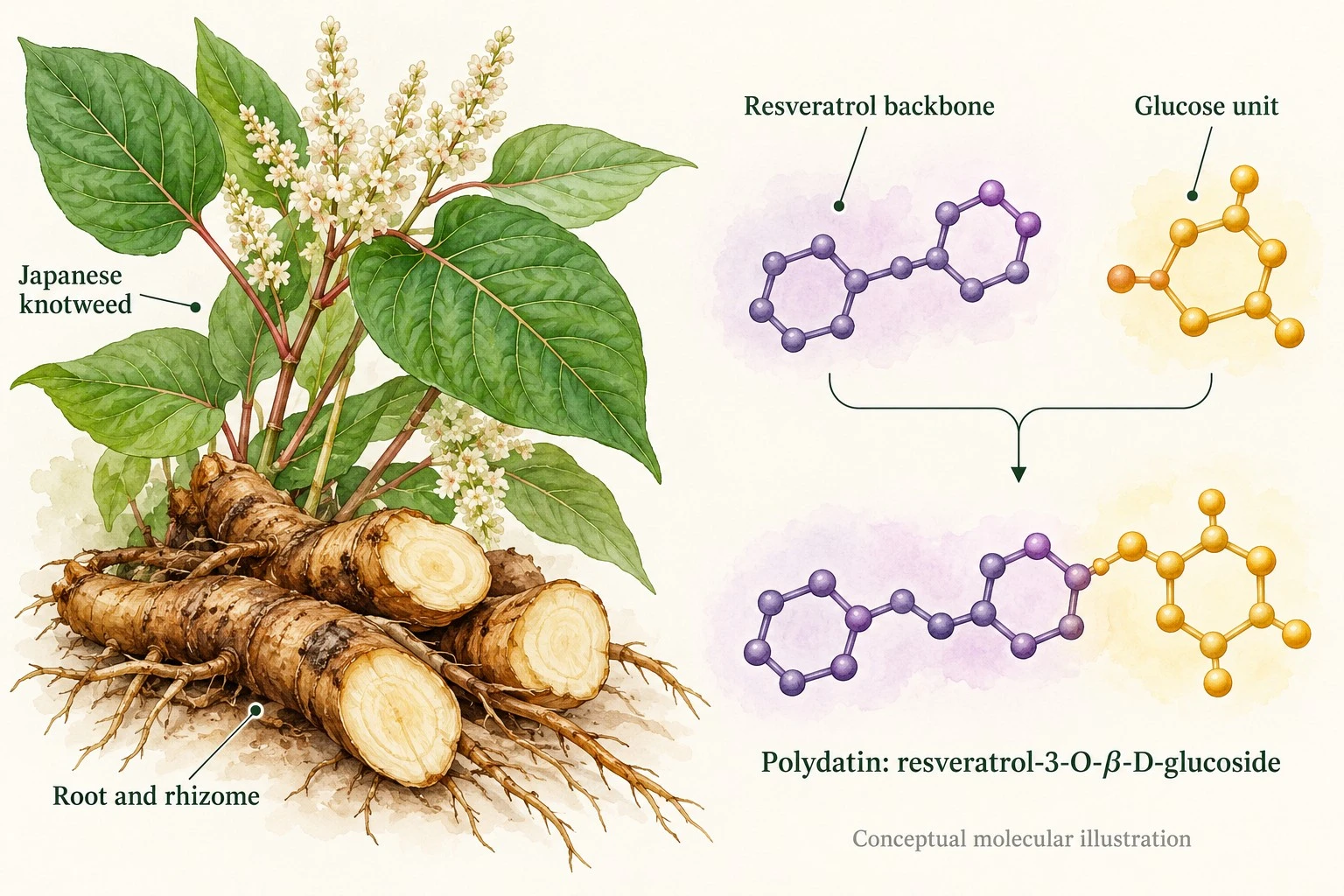
A Botanical Stilbenoid with a Distinct Structure
Polydatin, also called piceid, is resveratrol-3-O-β-D-glucoside, a member of the stilbenoid family. It has been isolated from the roots and rhizomes of Polygonum cuspidatum, commonly known as Japanese knotweed. Its structure combines a resveratrol backbone with a glucose group attached through a glycosidic bond. This arrangement provides a useful example of how plants modify small molecules through glycosylation. For researchers, distinguishing polydatin from free resveratrol is essential because their structural relationship does not make them chemically or experimentally interchangeable.
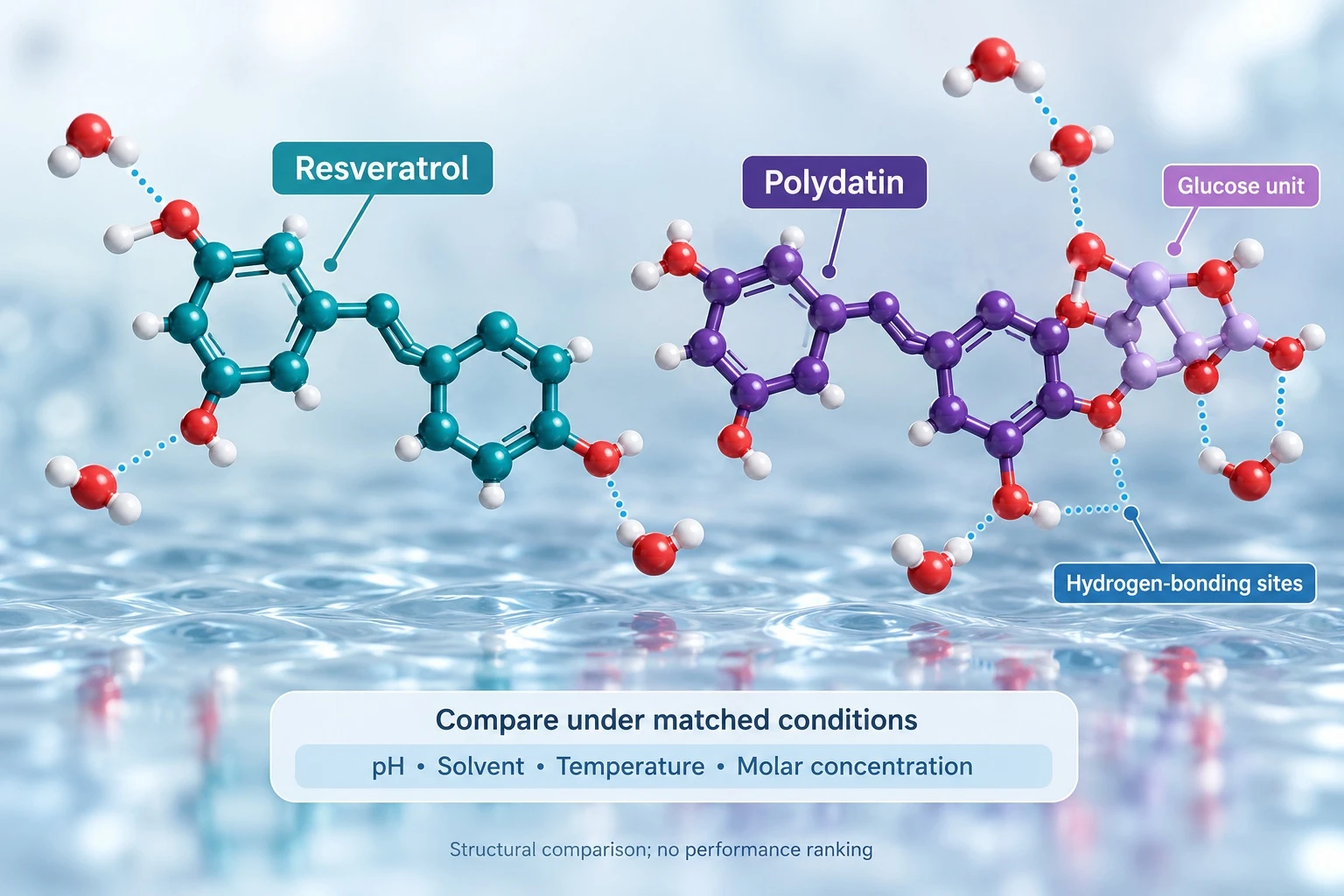
Why the Glucose Group Matters
Adding glucose changes the molecular environment around resveratrol's phenolic groups and introduces additional sites for hydrogen bonding. These differences make polydatin useful for investigating relationships between molecular structure, solvent interactions, and chemical reactivity. However, glycosylation should not automatically be interpreted as guaranteeing superior performance in every experimental system. Comparative studies should use matched conditions, including solvent composition, pH, temperature, and molar concentration. Research examining the synthesis and stability of resveratrol glucosides illustrates why each compound needs its own characterization rather than assumptions based solely on structural similarity.
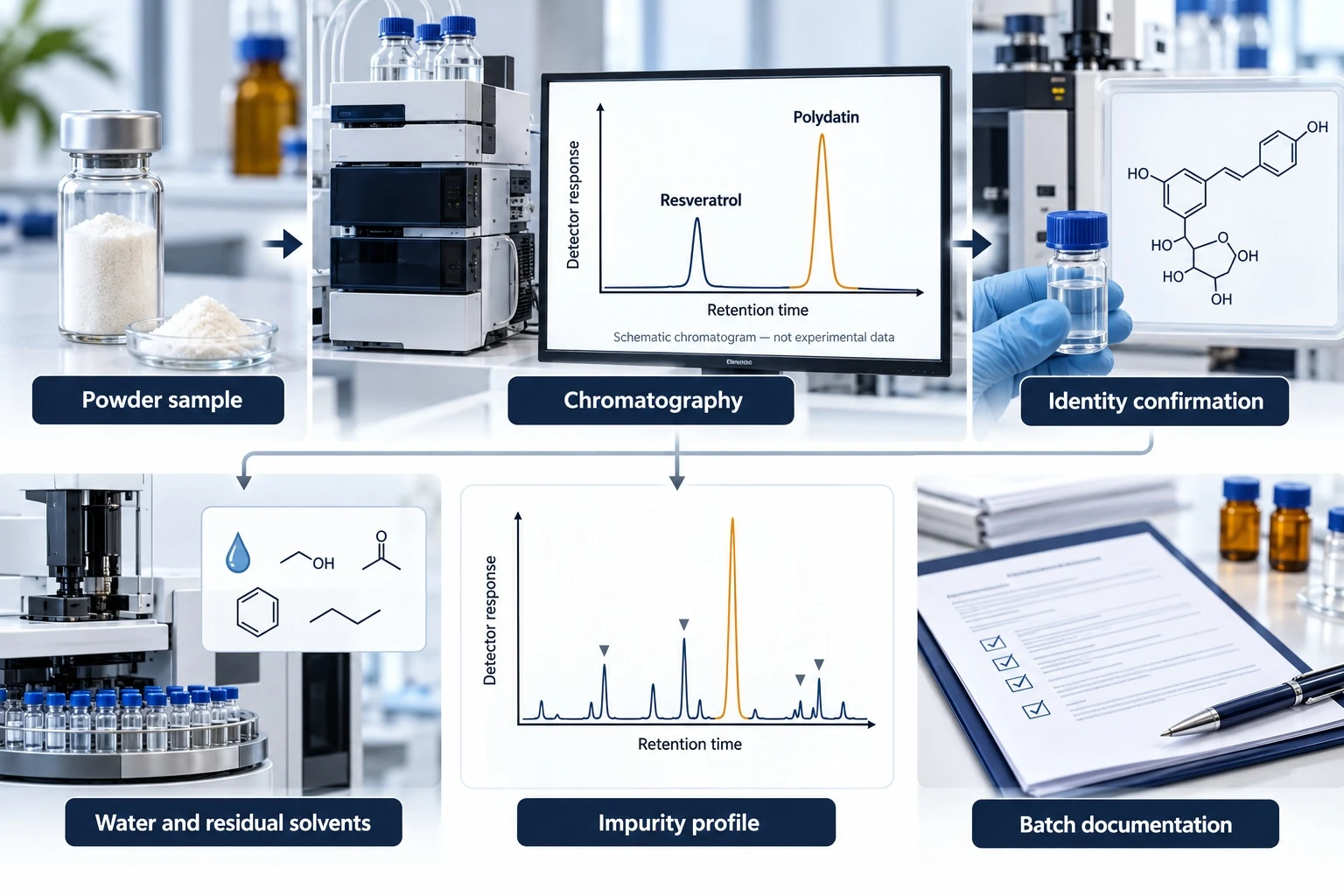
Powder Characterization and Analytical Quality
Reliable research begins with confirming what a polydatin powder actually contains. Chromatographic methods can help distinguish polydatin from resveratrol and related constituents, while complementary structural methods strengthen identity confirmation. Published work has investigated chromatographic separation and quality control of materials containing both compounds. A practical characterization plan should also document water content, residual solvents, and relevant impurities according to the material's source and intended experiment. Reporting analytical methods alongside purity results makes comparisons between batches more meaningful and helps separate compound-specific observations from effects associated with accompanying substances.
Investigating Cellular Redox Responses
Polydatin has been studied in experimental systems involving oxidative stress and cellular antioxidant responses. An original study using bone marrow-derived stem cells examined responses associated with the Nrf2/ARE signaling system under hydrogen peroxide exposure. These findings provide a model-specific starting point for mechanistic investigation, rather than a universal description of polydatin's behavior. Useful experiments combine cell viability, oxidative-damage measurements, and pathway-related readouts. Researchers should also distinguish direct chemical radical scavenging from changes in cellular gene regulation, since these processes require different methods and support different conclusions.

Tracking Exposure and Molecular Fate
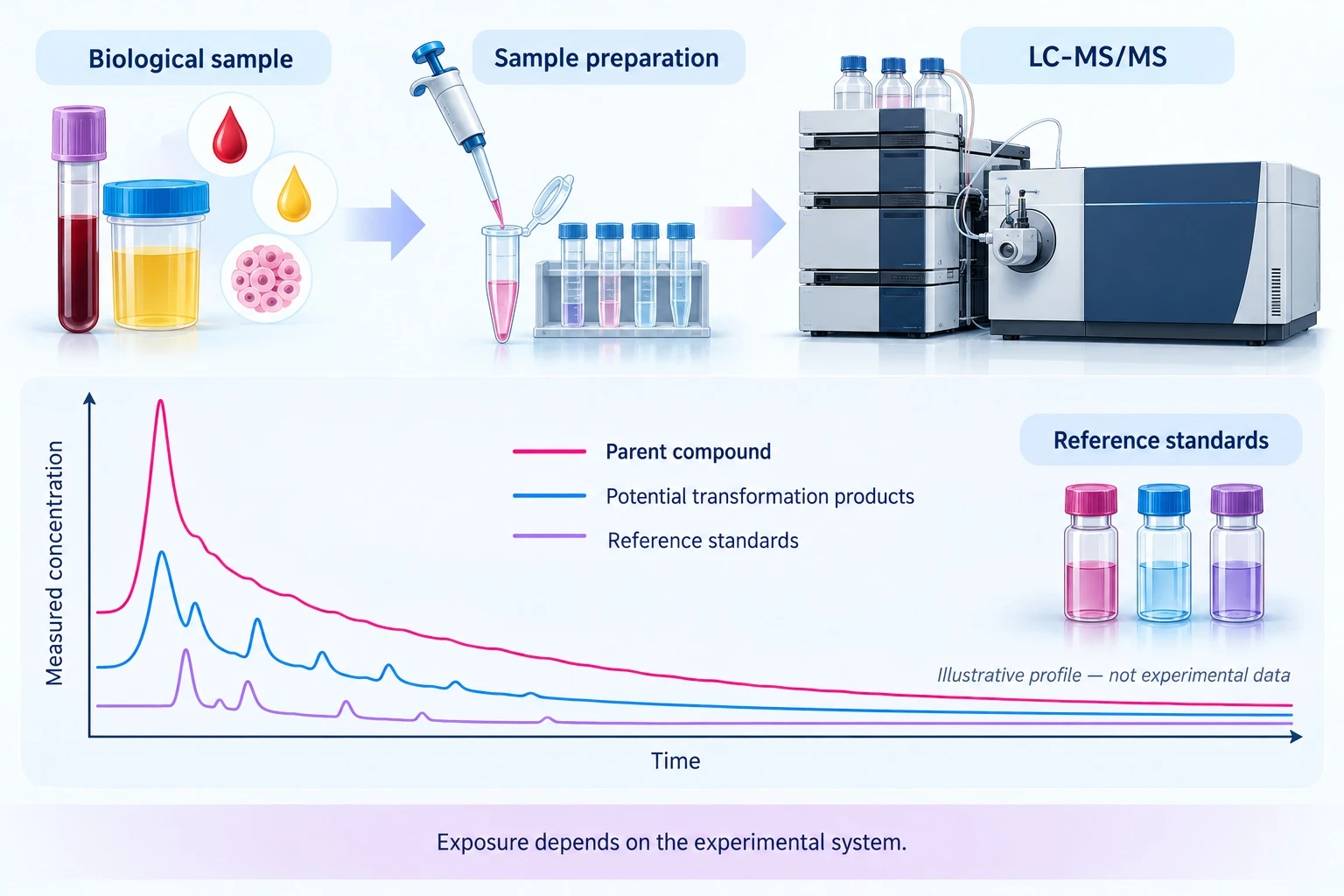
Understanding biological responses requires knowing which compounds are present during an experiment and how their concentrations change. A rat study developed and validated an LC-MS/MS method to measure polydatin in plasma, demonstrating the importance of analytical exposure assessment. Such measurements help connect administered material with the concentration actually detected in a biological sample. For broader experimental design, researchers can assess parent-compound persistence and investigate possible transformation products using suitable reference standards. Results from animal exposure studies remain specific to their species, sampling schedule, and experimental conditions.
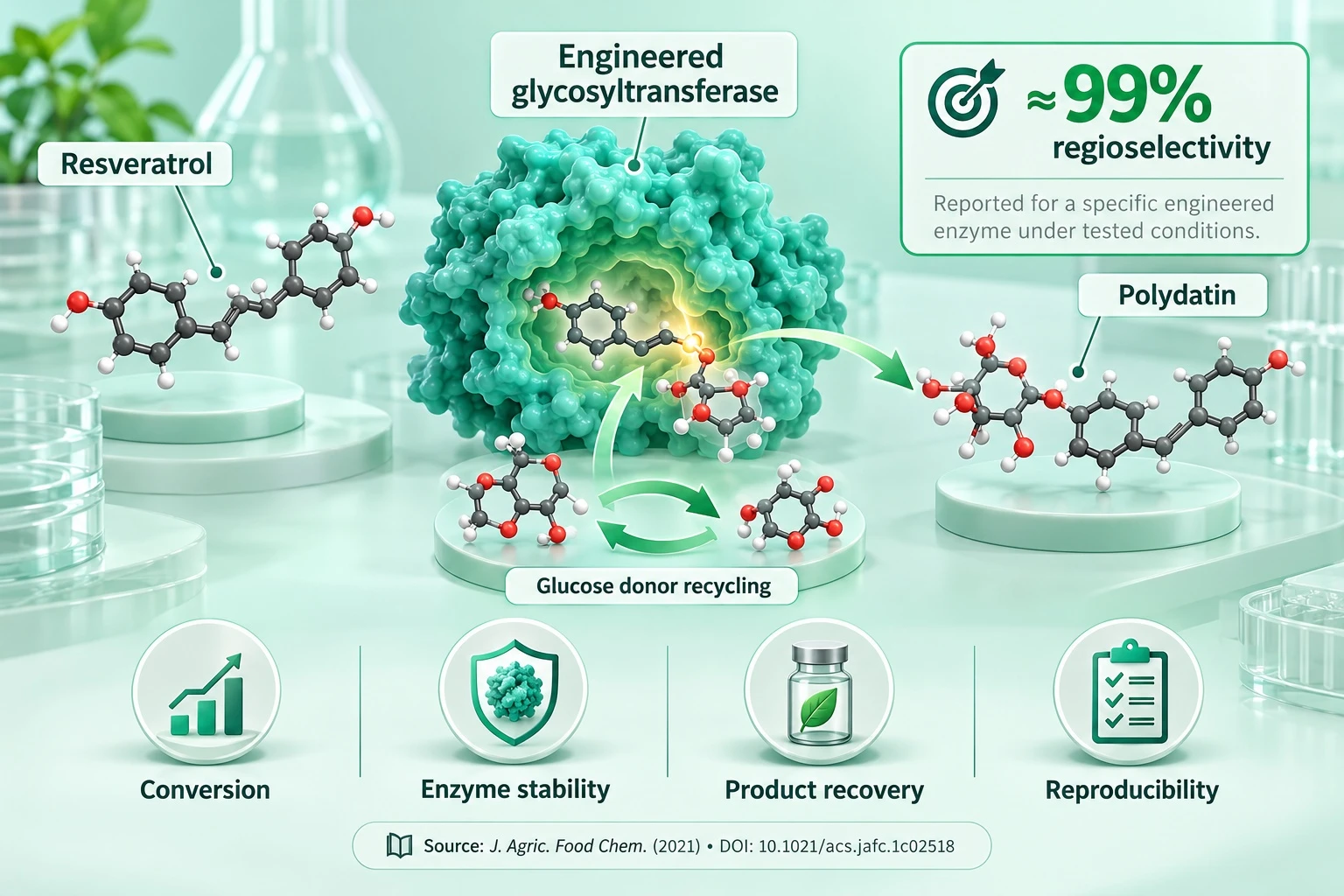
Enzyme Engineering and Biotechnology
Polydatin is also an interesting target for biocatalysis, where enzymes attach glucose to resveratrol at a selected position. One study engineered a glycosyltransferase and combined it with a sucrose synthase system to improve production selectivity. The reported enzyme variant achieved approximately 99% regioselectivity toward polydatin under the tested conditions. This research highlights how enzyme design can influence product identity and reduce competing glycosylated products. Evaluating such processes requires more than selectivity alone: substrate conversion, enzyme stability, product recovery, and reproducibility also determine their practical value for research-material production.
Shaanxi Medibridge Biotech Co., Ltd. is dedicated to supplying a wide range of research-grade products-including peptides, chemical compounds, and extracts-to laboratories, academic institutions, and biotechnology organizations worldwide. If you are seeking a partner for high-purity raw materials to establish a long-term collaboration, please email hi@medibridgeapi.com.


