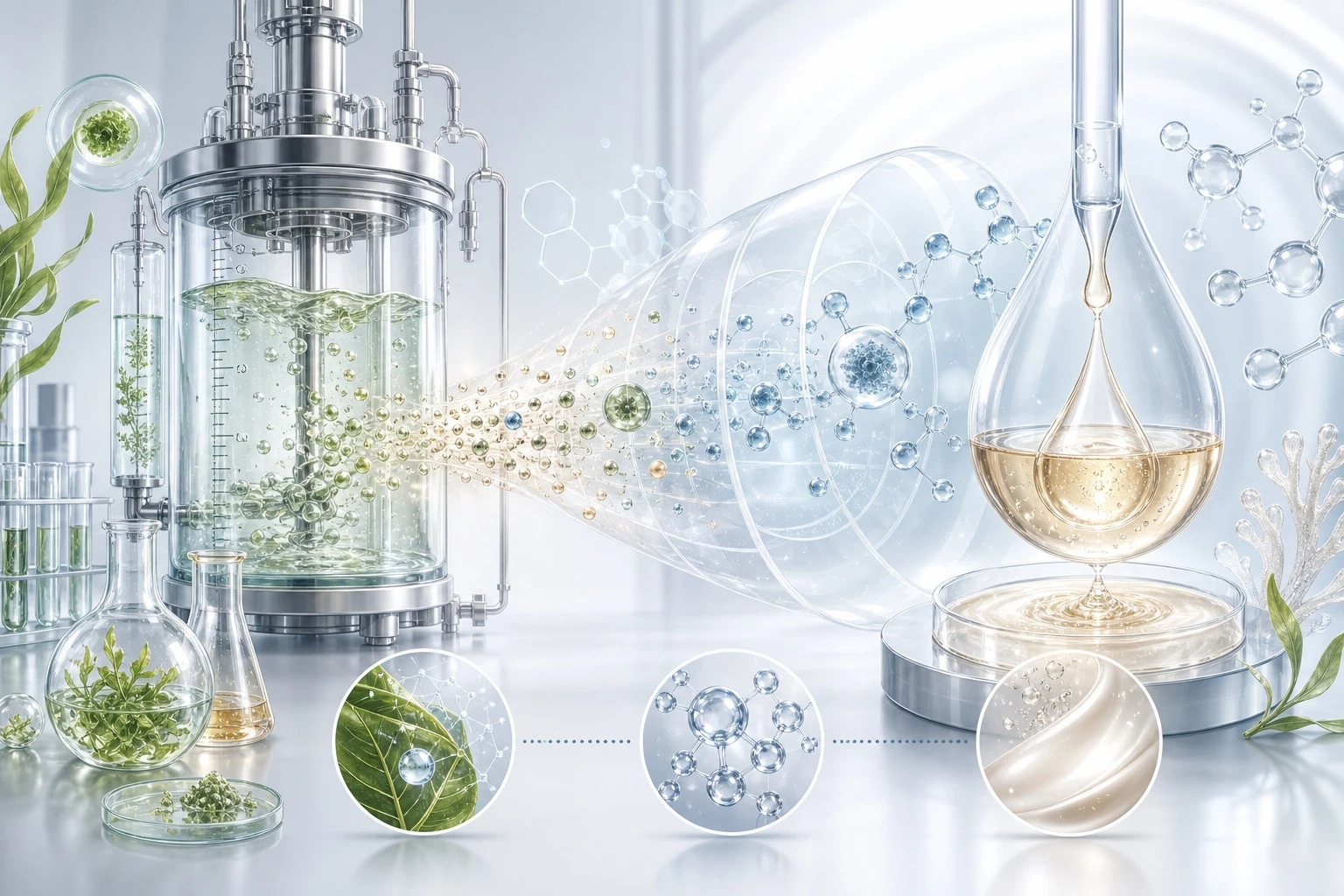
Animal-Free Biotechnology Is Reshaping Ingredient Development
Beauty ingredient innovation is increasingly being defined by how materials are made, not only by what they do. In this environment, fermentation-derived actives are gaining traction because they offer a modern alternative to conventional animal-sourced ingredients. Skinosya™ Chondro fits squarely within this trend, representing a new phase of biotechnology-led sourcing. For brands and formulators, this kind of ingredient offers more than a clean-label story; it signals a strategic move toward more controlled, traceable, and future-ready raw material development.
Why Fermented Chondroitin Matters Now
Chondroitin has long been recognized in adjacent health and personal care conversations, but its sourcing history has limited how broadly it could be positioned in a market increasingly focused on animal-free claims. A fermented version changes that narrative. By moving chondroitin into a biotechnology framework, Skinosya™ Chondro opens the door to new storytelling around sustainability, innovation, and premium efficacy. It also aligns with rising demand for ingredients that can support modern beauty positioning without relying on legacy animal-derived supply chains.
A Strong Fit for Ethical and Premium Beauty Positioning
The expansion of animal-alternative ingredients is no longer confined to niche clean beauty brands. It is now becoming relevant across prestige skincare, wellness-linked beauty, and science-driven formulation platforms. Skinosya™ Chondro enters this landscape as an ingredient that can appeal to both ethical expectations and technical marketing needs. Its fermented origin gives brands a more contemporary platform for communication, allowing them to combine biotech sophistication with a clear animal-free message that resonates with today's increasingly informed consumers and professional buyers.
Fermentation Continues to Expand Beyond Traditional Actives
The attention around Skinosya™ Chondro also reflects a bigger industry shift: fermentation is moving beyond familiar categories such as postbiotics, enzymes, and fermented plant extracts into more structurally and commercially important ingredient spaces. This suggests that biotechnology is becoming a broader replacement engine for materials once tied to animal or resource-intensive origins. As this trend develops, ingredients like fermented chondroitin may help redefine what premium functional beauty raw materials look like in the years ahead.