Redesigned Emulsifiers Deliver Stability with Lower Ecotoxicity
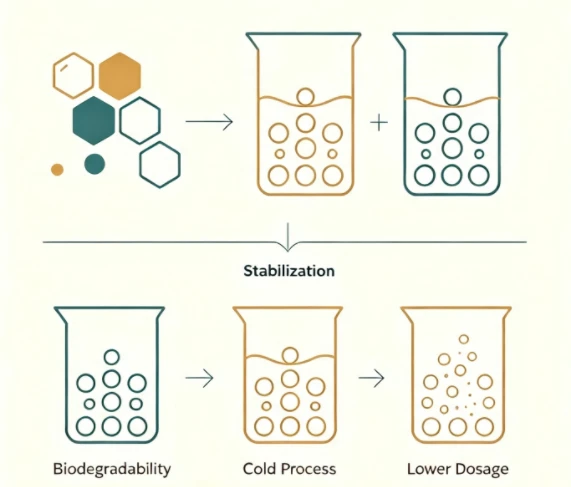
Traditional synthetic emulsifiers often persist in aquatic environments and carry high carbon footprints. New optimized structures maintain reliable oil-water stabilization across varied pH and temperature ranges, while improving biodegradability. Many variants cut use dosage and support cold-process manufacturing, lowering energy consumption for cosmetic producers without sacrificing texture or shelf stability.
Broad-Spectrum Preservatives Minimize Environmental Accumulation
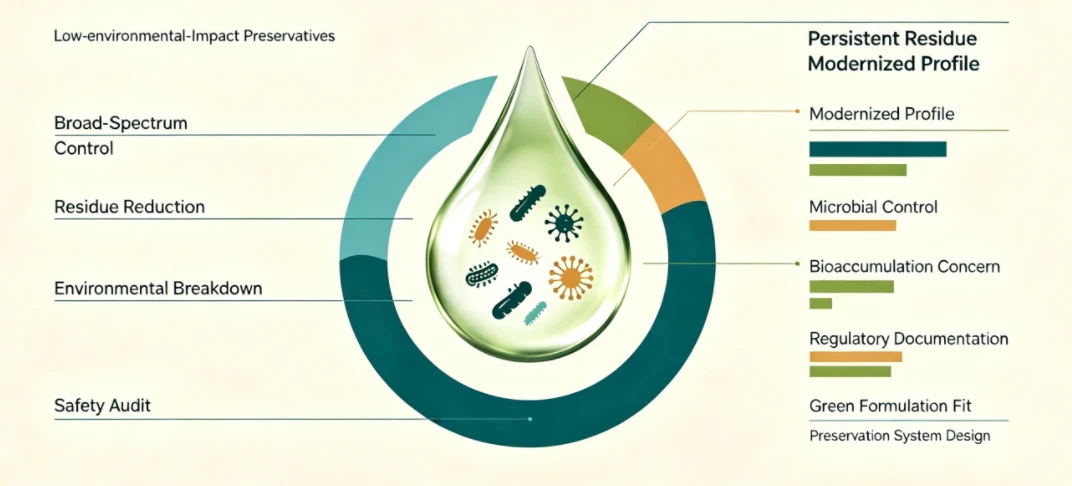
Chemical suppliers are re-engineering preservative systems to achieve robust antimicrobial control while limiting persistent residues. Modern blends reduce reliance on classic high-risk biocides, retaining protection against bacteria and fungi. Optimized molecular design speeds environmental breakdown, easing concerns over aquatic bioaccumulation and helping formulators meet global cosmetic safety and green-label requirements.
Functional Polymers Optimized for Rheology and Circularity
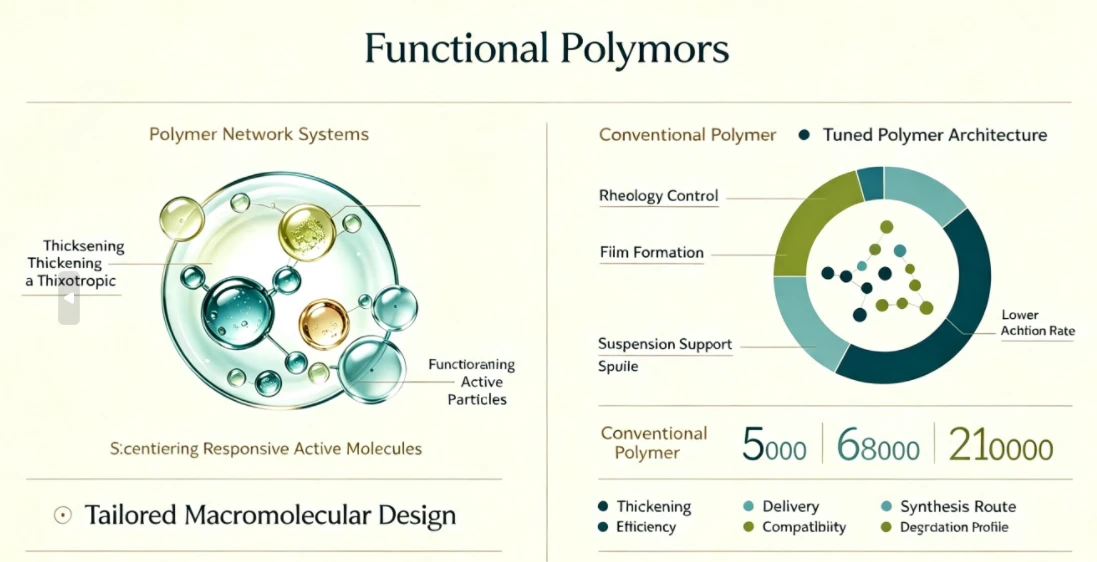
Novel synthetic rheology and film-forming polymers offer thickening, suspension and delivery benefits for skincare and sun care. Tuned molecular architecture delivers equal or superior thickening efficiency at lower addition rates. Many new grades use greener synthesis routes and improved degradability, supporting clean-formula goals while maintaining compatibility with UV filters and botanical active blends.
Formulation Compatibility Meets Rising Regulatory and ESG Demand
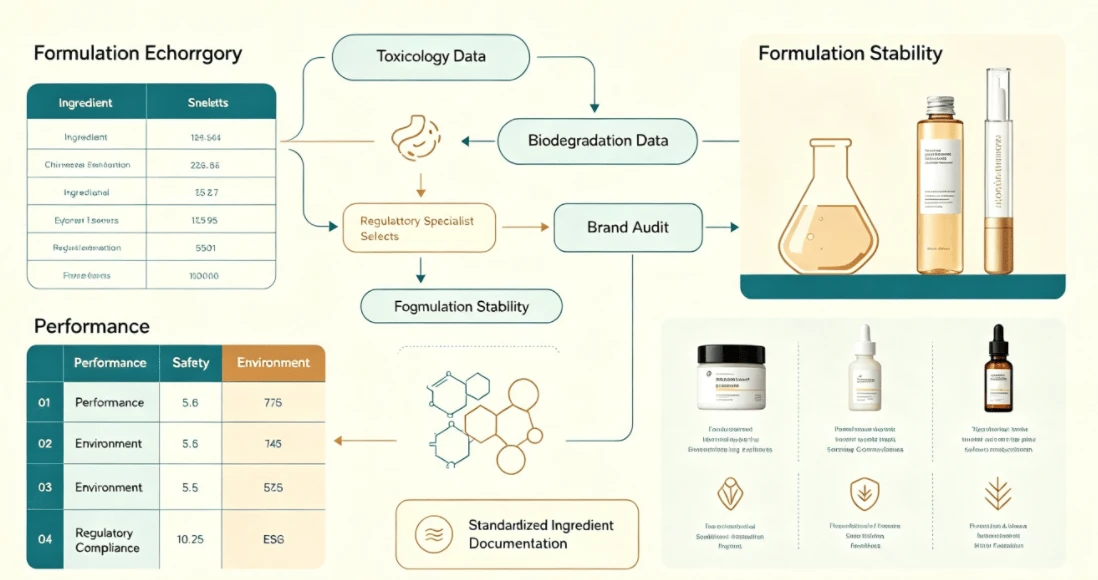
This ingredient wave addresses dual market pressures: consistent cosmetic performance and stricter environmental regulations. Suppliers provide standardized toxicology and biodegradation data to simplify brand audits. The portfolio enables formulators to build stable, high-function formulas that satisfy consumer safety expectations and corporate sustainability targets simultaneously.