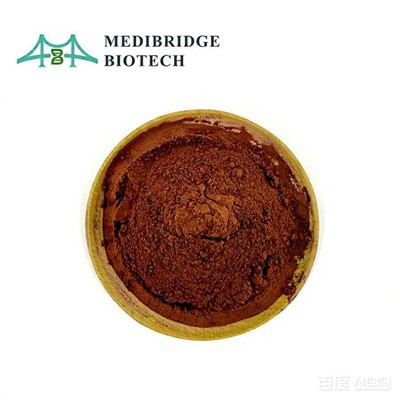
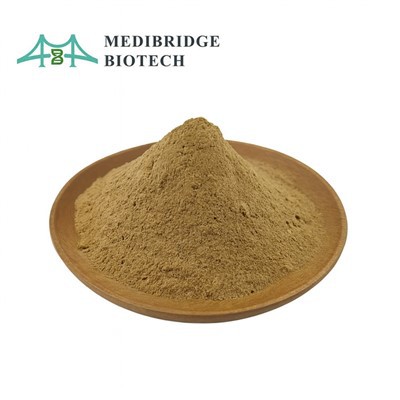
Centella asiatica leaf extract is a botanical ingredient obtained from the leaves of Centella asiatica (L.) Urban. The raw plant material is carefully selected and processed through controlled extraction and concentration steps to retain its naturally occurring triterpenoid profile. By using leaf material rather than whole herb, the extract is supplied in a more consistent and manageable form for formulation use, with standardized control over key marker components.
In finished products, this extract is mainly used as a source of triterpenoids such as asiaticoside and madecassoside. It is commonly incorporated into dietary supplements, functional foods, and cosmetic formulations as a supporting botanical ingredient. Its value in formulations lies in its mature application history, compatibility with multi-ingredient systems, and suitability for long-term, routine use across different product formats.
Shaanxi Medibridge Biotech Co., Ltd. supplies extract in multiple standardized grades, with flexible options for active content customization based on formulation needs. Each batch is produced under controlled quality management, with supporting documentation available to ensure consistency, traceability, and stable long-term supply for commercial applications.

Products Description
|
|
||
|
Product Name |
CAS Number |
Batch Number |
|
centella asiatica leaf extract |
84696-21-9 |
MB2601131030 |
|
Manufacturer Date |
Analysis Date |
Expiry Date |
|
2026-01-13 |
2026-01-14 |
2028-01-12 |
|
Sample Qty Base |
Packing |
Test Method |
|
300KGS |
25kg/drum |
HPLC |

|
Item |
Standard |
Results |
|
Appearance |
Brown to yellowish-brown powder |
Conforms |
|
Odor |
Characteristic |
Conforms |
|
Identification |
Positive (TLC / HPLC) |
Conforms |
|
Assay (Total Triterpenes) |
10% – 40% |
28.16% |
|
Loss on Drying |
≤ 5.0% |
3.41% |
|
Ash |
≤ 5.0% |
1.72% |
|
Particle Size |
100% pass 80 mesh |
Conforms |
|
Heavy Metals |
≤ 10 ppm |
Conforms |
|
Lead (Pb) |
≤ 2 ppm |
Conforms |
|
Arsenic (As) |
≤ 1 ppm |
Conforms |
|
Cadmium (Cd) |
≤ 1 ppm |
Conforms |
|
Mercury (Hg) |
≤ 0.1 ppm |
Conforms |
|
Total Plate Count |
≤ 10,000 CFU/g |
Conforms |
|
Yeast & Mold |
≤ 1,000 CFU/g |
Conforms |
|
E. coli |
Negative |
Negative |
|
Salmonella |
Negative |
Negative |
|
Storage |
Store in cool & dry place. keep away from strong light and heat |
|
|
Conclusion |
The batch conforms to the IN-HOUSE standard |
|
|
|
||

Key Active Components
Triterpenoid-Based Standardization
This materia is typically standardized using its naturally occurring triterpenoid components, which are widely applied as reference markers for extract quality and specification control in commercial supply.
Major Marker Constituents
The primary components associated with this extract include asiaticoside, madecassoside, asiatic acid, and madecassic acid. These constituents originate from the plant itself and are retained during extraction and concentration under controlled processing conditions.
Flexible Content Control
In practical applications, specifications may be defined by total triterpene content or by selected marker compounds. The component profile can be adjusted during standardization, allowing different grades to be supplied for supplement, food, or cosmetic formulation use.

Key Benefits

Digestive System Support
This materia has been widely referenced in botanical research related to digestive system applications. Its triterpenoid profile is one of the reasons it is commonly included in formulations positioned for gastrointestinal support and daily digestive balance.
Cognitive and Nervous System Relevance
In formulation practice, this extract is often associated with products focusing on cognitive function and nervous system support. Its long history of use and repeated appearance in related research make it a familiar botanical component in brain and mental wellness-oriented formulas.
Skin and Tissue-Related Applications
The triterpenoid constituents of Centella asiatica are frequently linked to skin-focused product development. As a result, the extract is widely used in cosmetic and personal care formulations where skin condition maintenance and tissue-related support are part of the product concept.
Microbial and Environmental Stress Context
Centella asiatica extract has also been studied in relation to microbial and environmental stress factors. This background supports its inclusion in formulations where botanical resilience and protective positioning are considered, particularly in multi-ingredient systems.
Broad Biological Activity Profile
Beyond specific application areas, This materia is known for its broad biological activity profile, which contributes to its flexibility in formulation design. This versatility allows it to be incorporated into different product categories without requiring a dominant functional role.
Typical Application Areas

Dietary Supplements
This materia is commonly used in dietary supplement formulations where botanical ingredients are selected for routine, long-term use. It is often positioned as a supporting plant extract within multi-ingredient formulas rather than as a single-feature component.
Functional Foods & Beverages
In functional food and beverage applications, this extract is typically incorporated into powdered blends or composite formulations. Its standardized triterpenoid profile makes it suitable for products designed around daily nutrition concepts and plant-based ingredient systems.
Cognitive & Mental Wellness Formulas
The extract is also used in formulations related to cognitive or mental wellness positioning. In these products, it is generally combined with other botanical or nutritional ingredients as part of a broader formulation concept rather than serving as the primary active.
Skin-Focused Products
This materia is widely applied in skin-oriented product development, especially in cosmetic and personal care formulations. It is commonly included in products positioned for skin condition maintenance and tissue-related applications.
Multi-Ingredient Botanical Blends
Beyond specific product categories, this extract is frequently used in complex botanical blends. Its mature application history and stable specification profile allow it to integrate smoothly into formulas that combine multiple plant-derived ingredients.
Centella Asiatica Leaf Extract vs. Whole Herb Extract
|
Item |
Centella Asiatica Leaf Extract |
Centella Asiatica Whole Herb Extract |
|
Plant Part Used |
Leaves only |
Whole aerial parts (leaves, stems, etc.) |
|
Raw Material Focus |
Selected leaf material |
Mixed plant parts |
|
Composition Consistency |
More consistent due to controlled plant part |
Naturally variable due to mixed materials |
|
Standardization Approach |
Easier to standardize triterpenoid content |
Standardization may vary by batch |
|
Typical Active Markers |
Triterpenoids (asiaticoside, madecassoside) |
Triterpenoids with broader component profile |
|
Specification Flexibility |
High, suitable for customized content levels |
Moderate, depends on raw material composition |
|
Common Applications |
Supplements, functional foods, cosmetic formulations |
Supplements and general botanical formulations |
|
Formulation Preference |
Often chosen for precise formulation control |
Often chosen for broader botanical profiles |
|
Industry Usage |
Frequently used in standardized and OEM products |
Common in traditional or full-spectrum extracts |

Why Choose Us
Shaanxi Medibridge Biotech Co., Ltd. supplies Centella asiatica leaf extract with consistent specifications and flexible options for active content customization. Raw materials are sourced and processed under controlled quality management to support stable batch performance. Each shipment can be accompanied by complete technical documentation, including COA and related quality files. With experience in standardized botanical extracts, we support long-term supply and OEM services for supplement, food, and cosmetic applications.

FAQ
Q: What is this extract used for?
A: It is commonly used as a botanical ingredient in dietary supplements, functional foods, and cosmetic formulations.
Q: Is this extract different from whole herb extract?
A: Yes, leaf extract is produced only from the leaf portion and is usually supplied with more consistent specifications.
Q: What are the main active components in this extract?
A: The extract is typically standardized based on triterpenoid components such as asiaticoside and madecassoside.
Q: Can the triterpene content be customized?
A: Yes, different triterpene content levels can be supplied according to formulation requirements.
Q: Is this extract suitable for cosmetic use?
A: It is widely used in cosmetic and personal care formulations as a plant-derived ingredient.
Hot Tags: centella asiatica leaf extract, China centella asiatica leaf extract manufacturers, suppliers, factory, D Theanine Powder, plant extracts, Best Berberine Powder, Rhodiola Rosea Extract Powder, Hesperidinase, Licorice Extract Powder