


A Flavone with a Distinctive Chemical Structure
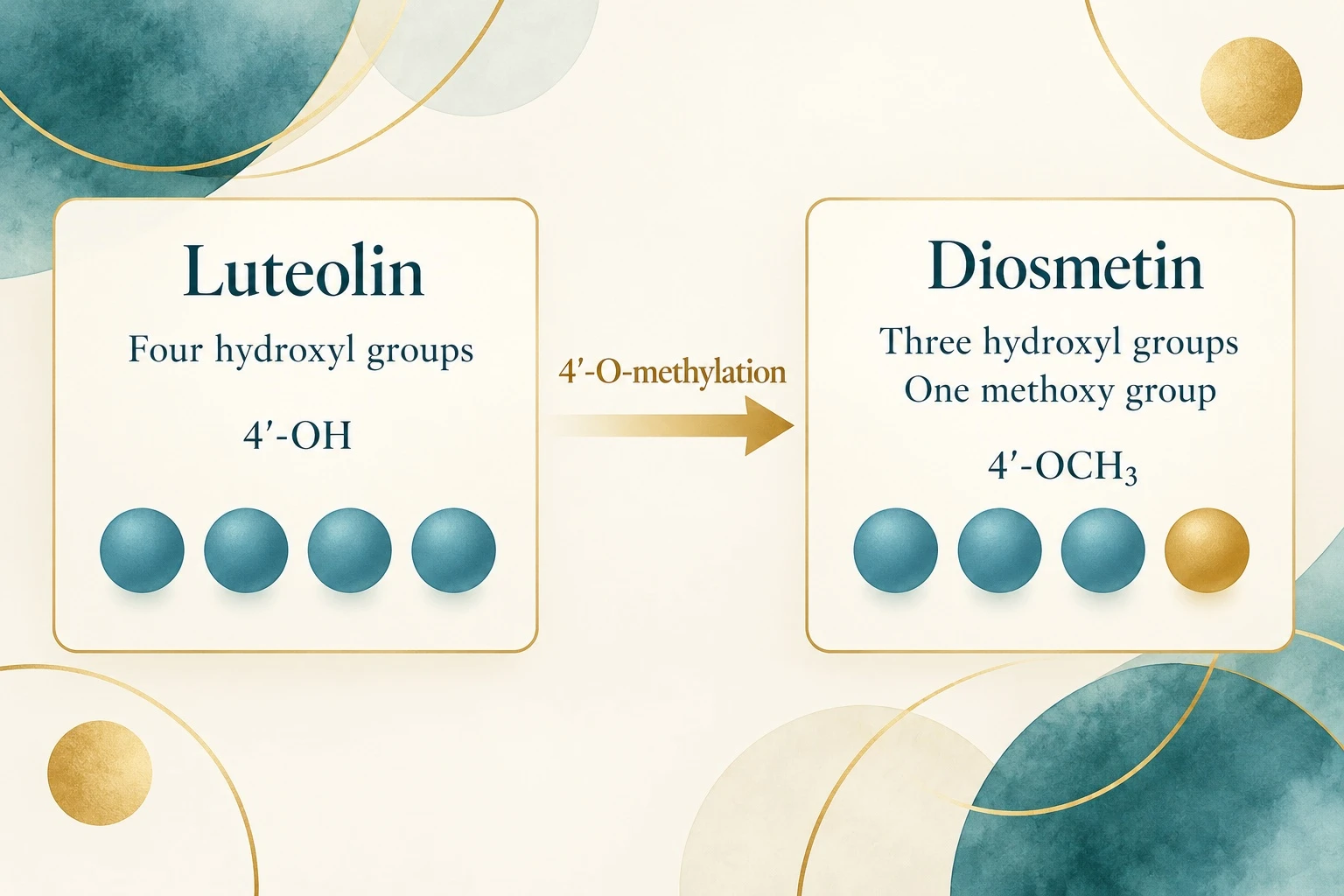
Diosmetin is chemically described as 3′,5,7-trihydroxy-4′-methoxyflavone. Its structure combines a flavone backbone with three hydroxyl groups and one methoxy group. It is closely related to luteolin, differing through methylation of the hydroxyl group at the 4′ position. This seemingly small modification provides a useful basis for comparative research. Scientists can investigate how substitution patterns influence molecular interactions, analytical behavior, and enzyme recognition. Comparisons should use matched experimental conditions, because a structural difference alone does not establish that one flavone performs better across every laboratory measurement.
Understanding the Relationship Between Diosmetin and Diosmin
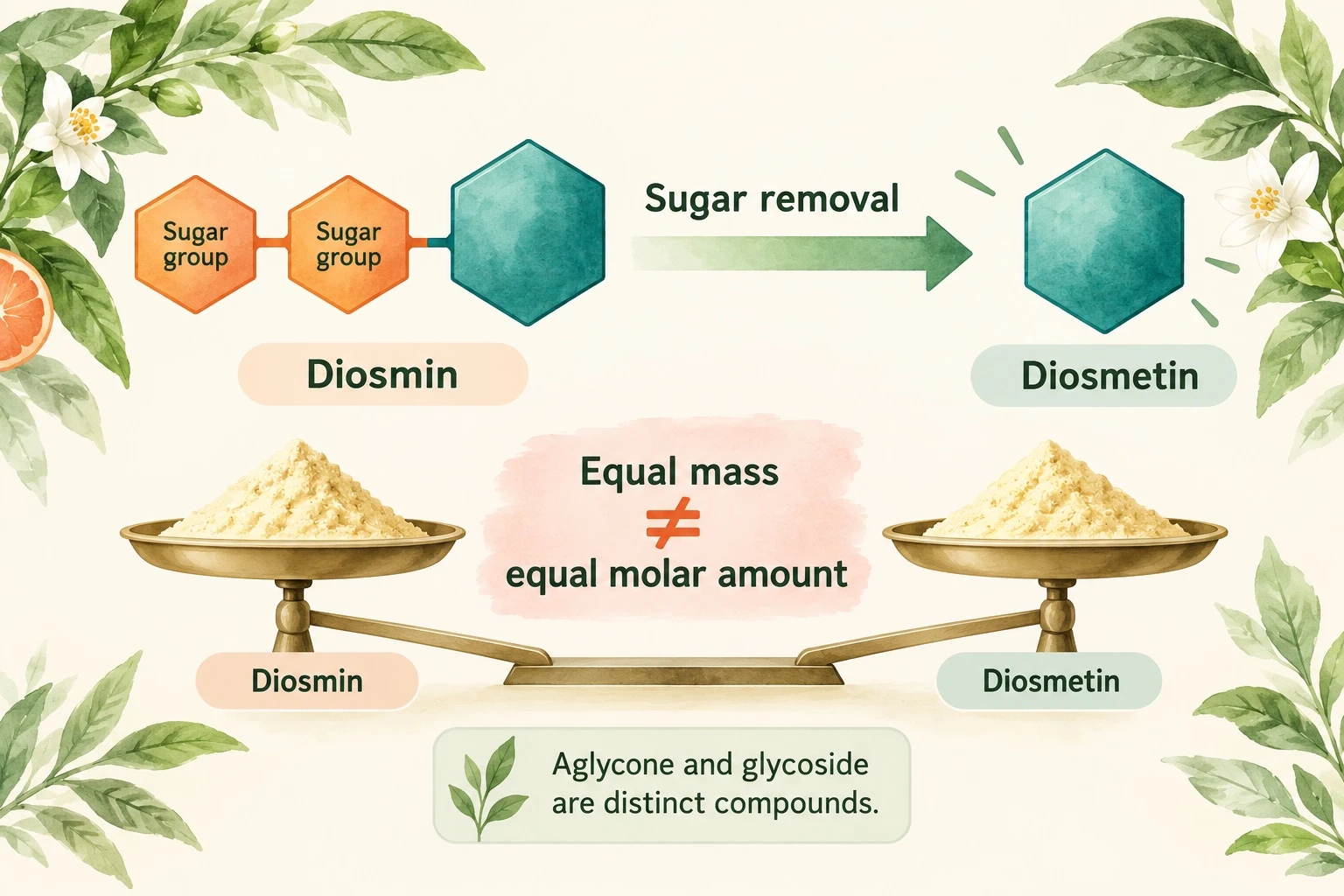
Diosmetin and diosmin are related compounds, but their names should not be used interchangeably. Diosmetin is the aglycone, while diosmin contains a sugar group attached to the diosmetin structure. Removing this sugar component produces the aglycone and changes the molecule's physicochemical characteristics. This relationship makes the pair useful for studying glycosylation, enzymatic conversion, and metabolic processing. Researchers comparing them should account for molecular weight and report concentrations on a molar basis where appropriate. Equal powder masses do not represent equal numbers of molecules or guarantee equivalent experimental exposure.
Analytical Characterization and Powder Quality
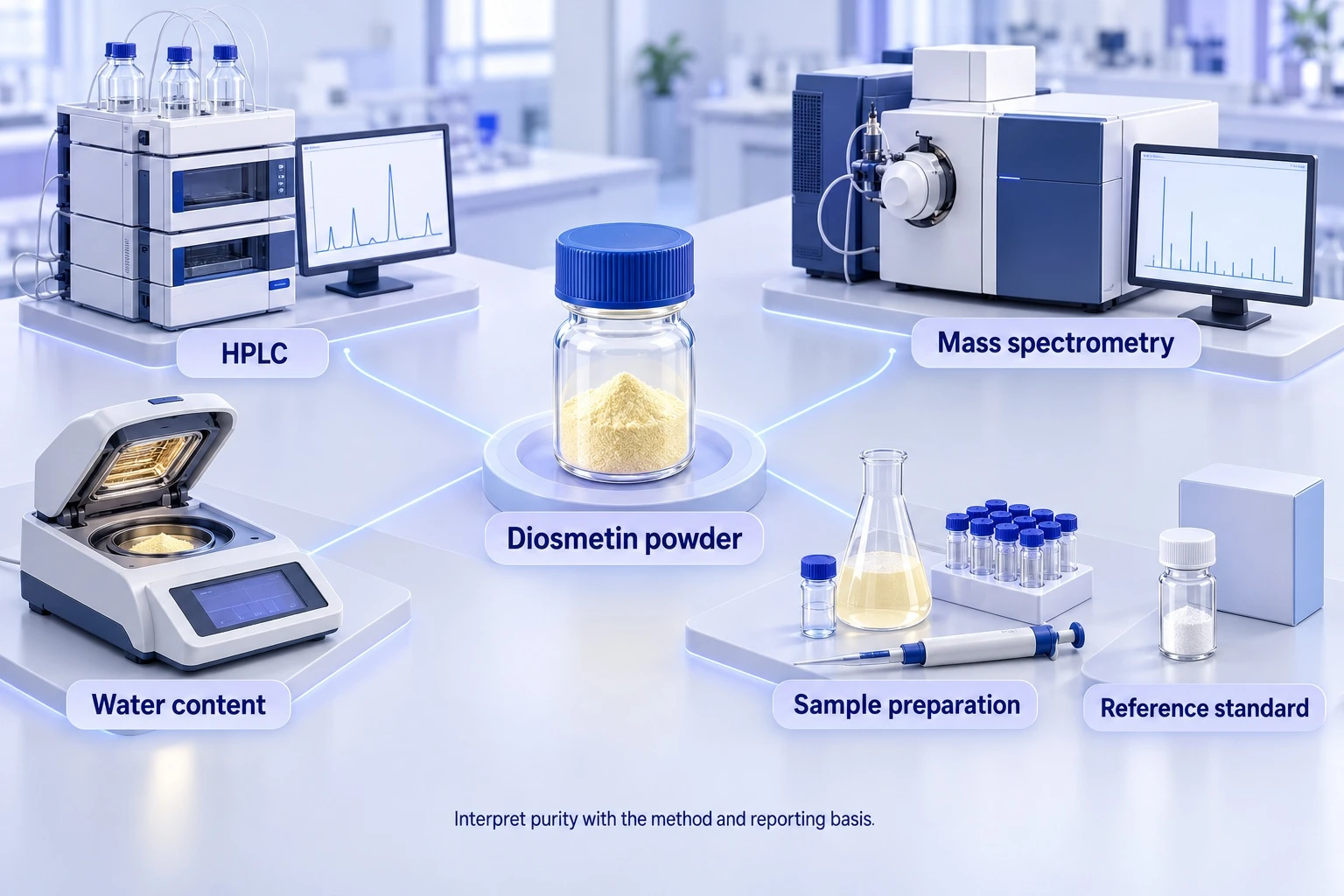
Reliable diosmetin research begins with confirming what the powder contains. Chromatographic methods can quantify the target compound and assess related substances, while mass spectrometry provides complementary information about molecular identity. Published studies have developed HPLC and LC–MS methods for measuring diosmetin in complex samples. For powder characterization, additional questions include water content, residual solvents, and possible degradation during handling. A chromatographic purity percentage should always be interpreted alongside the method and reporting basis. Using an appropriate reference standard and documenting sample preparation improves comparisons between batches and laboratories.
Solubility and the Importance of Actual Exposure
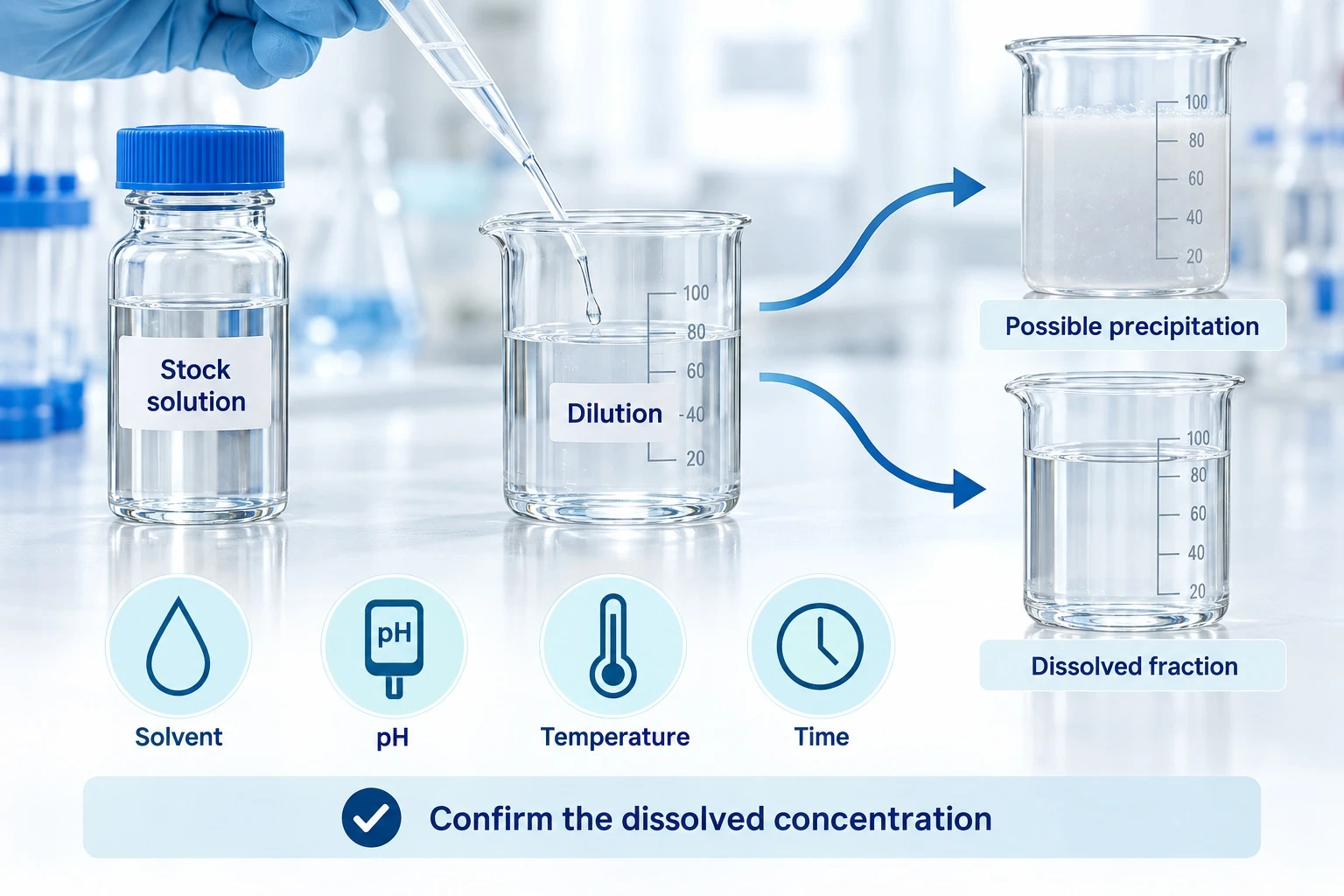
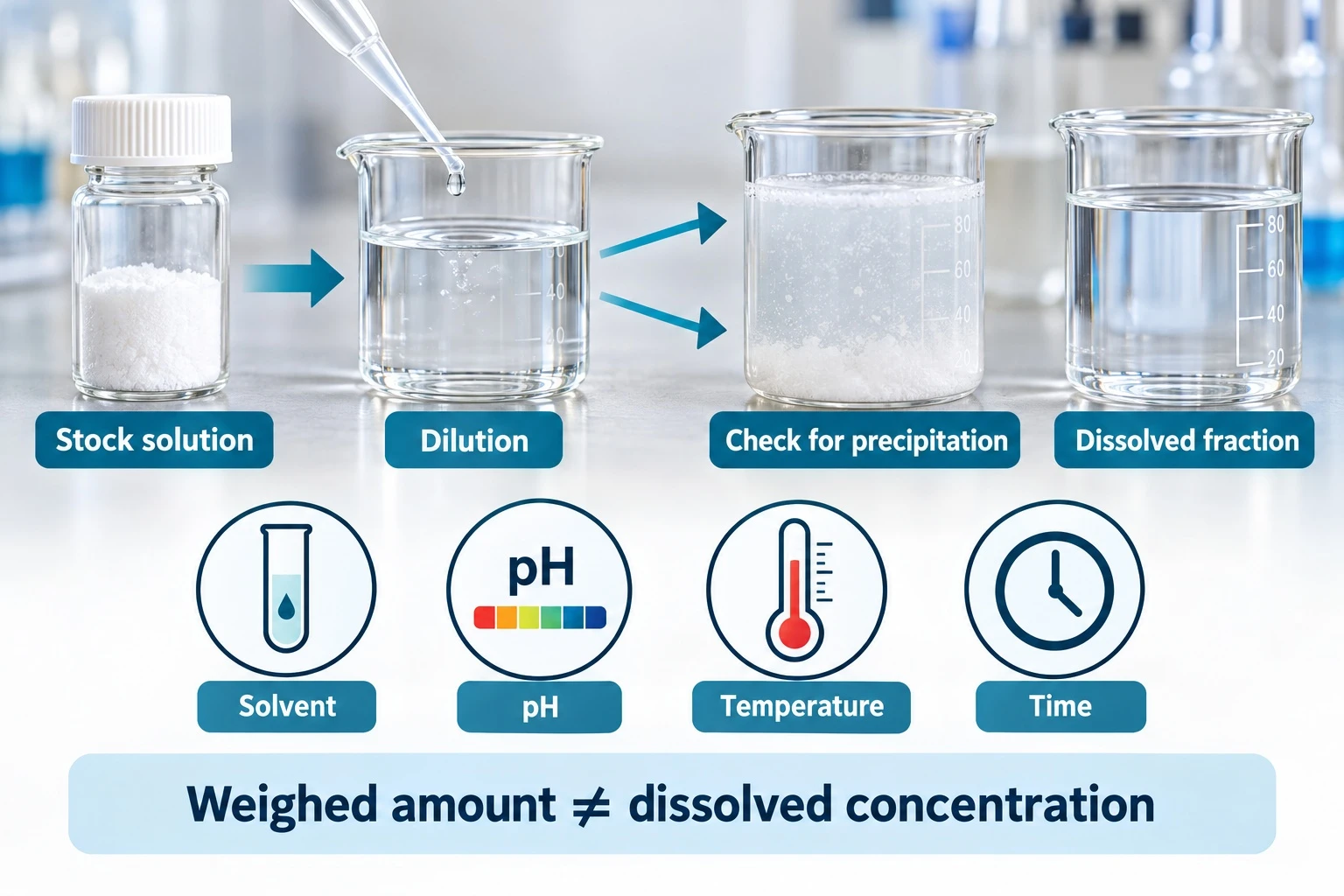
Preparing a diosmetin experiment requires attention to dissolution rather than relying only on the amount weighed. Research on its analytical characterization has included solubility assessment, highlighting the importance of preparation conditions. Solvent composition, pH, temperature, and dilution into the final medium should be documented. A concentrated stock solution may behave differently after mixing with an aqueous experimental system. Researchers should check for precipitation and, when necessary, measure the dissolved fraction. These steps help distinguish a change in experimental response from a change in how much compound remains available during testing.
Glucuronidation and Molecular Transformation
Diosmetin is a useful research compound for investigating glucuronidation, a process in which enzymes attach glucuronic acid to a molecule. Studies using human liver microsomes, recombinant enzymes, and engineered cells have examined how this transformation depends on enzyme activity and cellular transport. The resulting conjugates are chemically distinct from free diosmetin and require appropriate analytical separation. Consequently, measuring diosmetin after enzymatic deconjugation answers a different question from directly measuring the unchanged compound. Distinguishing these measurements is essential when interpreting metabolic profiles or comparing results across experimental systems.
Designing Meaningful Comparative Studies
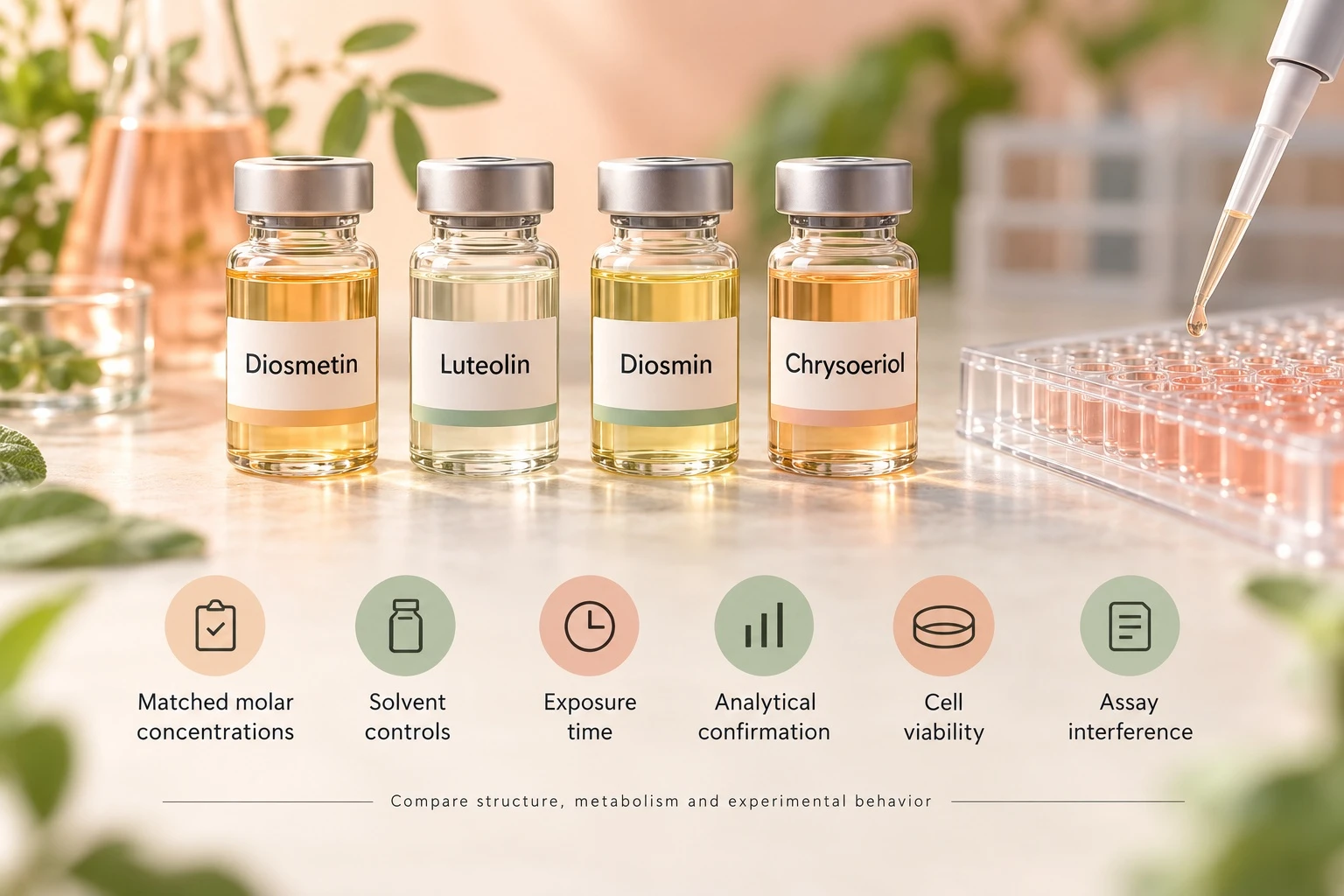
Diosmetin supports broader investigations into how flavonoid structure relates to metabolism and experimental behavior. Comparisons with luteolin, diosmin, or chrysoeriol can address different questions about methylation, glycosylation, and substitution position. Research comparing diosmetin and chrysoeriol demonstrates the value of examining glucuronidation and transport together. Strong study designs combine concentration–response measurements with suitable solvent controls, analytical confirmation, and clearly defined exposure times. In cell-based experiments, viability and assay interference should also be assessed. A single endpoint can identify an observation, while complementary measurements help explain the processes responsible for it.
Shaanxi Medibridge Biotech Co., Ltd. is dedicated to supplying a wide range of research-grade products - including peptides, chemical compounds, and extracts - to laboratories, academic institutions, and biotechnology organizations worldwide. If you are seeking a partner for high-purity raw materials to establish a long-term collaboration, please email hi@medibridgeapi.com.


