


Chemical Identity and Molecular Structure
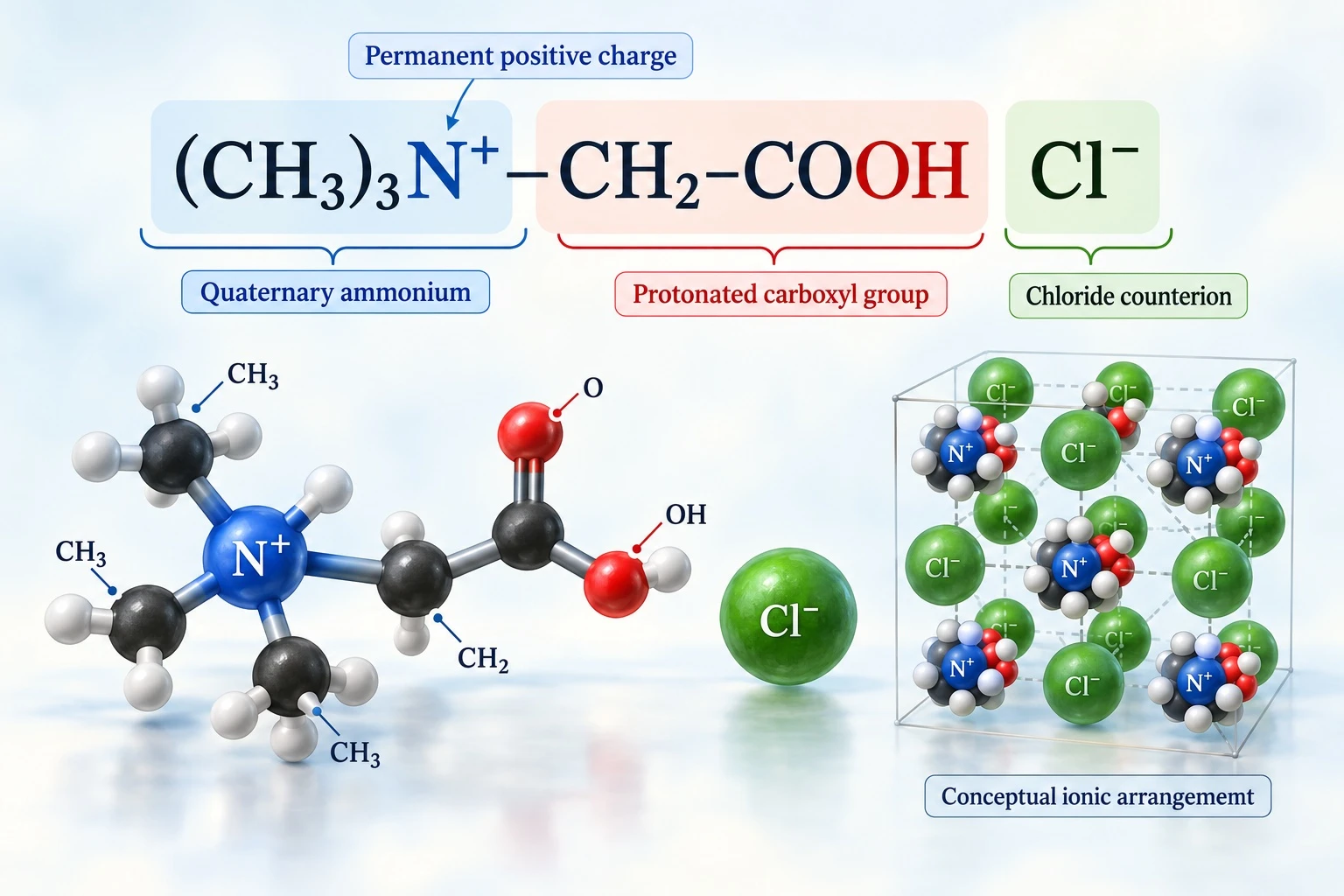
Betaine HCl is the hydrochloride form of betaine, also known as trimethylglycine. Its structure contains a permanently charged quaternary ammonium group and a protonated carboxyl group, with chloride serving as the counterion. Crystallographic research has directly examined this arrangement. The distinction matters because the positive nitrogen charge does not arise from the same protonation event as the carboxyl group. For researchers, clearly identifying the salt form provides the foundation for interpreting solution chemistry, calculating concentrations, and comparing results with experiments performed using other betaine materials.
Why Betaine HCl and Anhydrous Betaine Differ
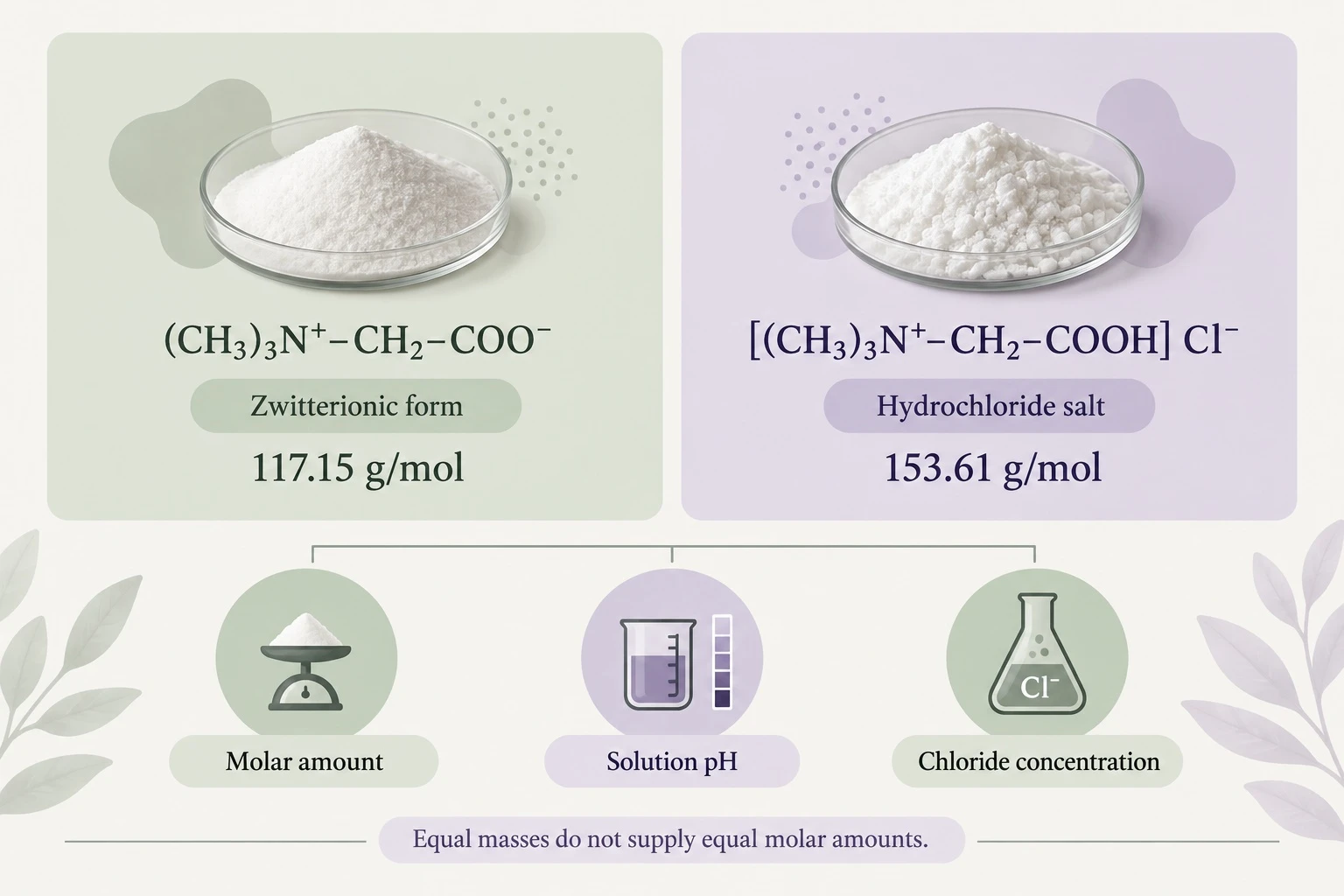
Anhydrous betaine and Betaine HCl share the trimethylglycine framework, but they differ in protonation and chloride content. Betaine is commonly represented as a zwitterion, containing positive and negative groups within the same molecule. In the hydrochloride salt, the carboxylate is protonated and chloride balances the resulting cation. Consequently, equal masses of the two materials do not supply equal molar amounts of the betaine framework. Comparative experiments should account for molecular weight, solution pH, and chloride concentration before attributing an observed difference to an intrinsic molecular effect.
Acid–Base Behavior in Aqueous Experiments
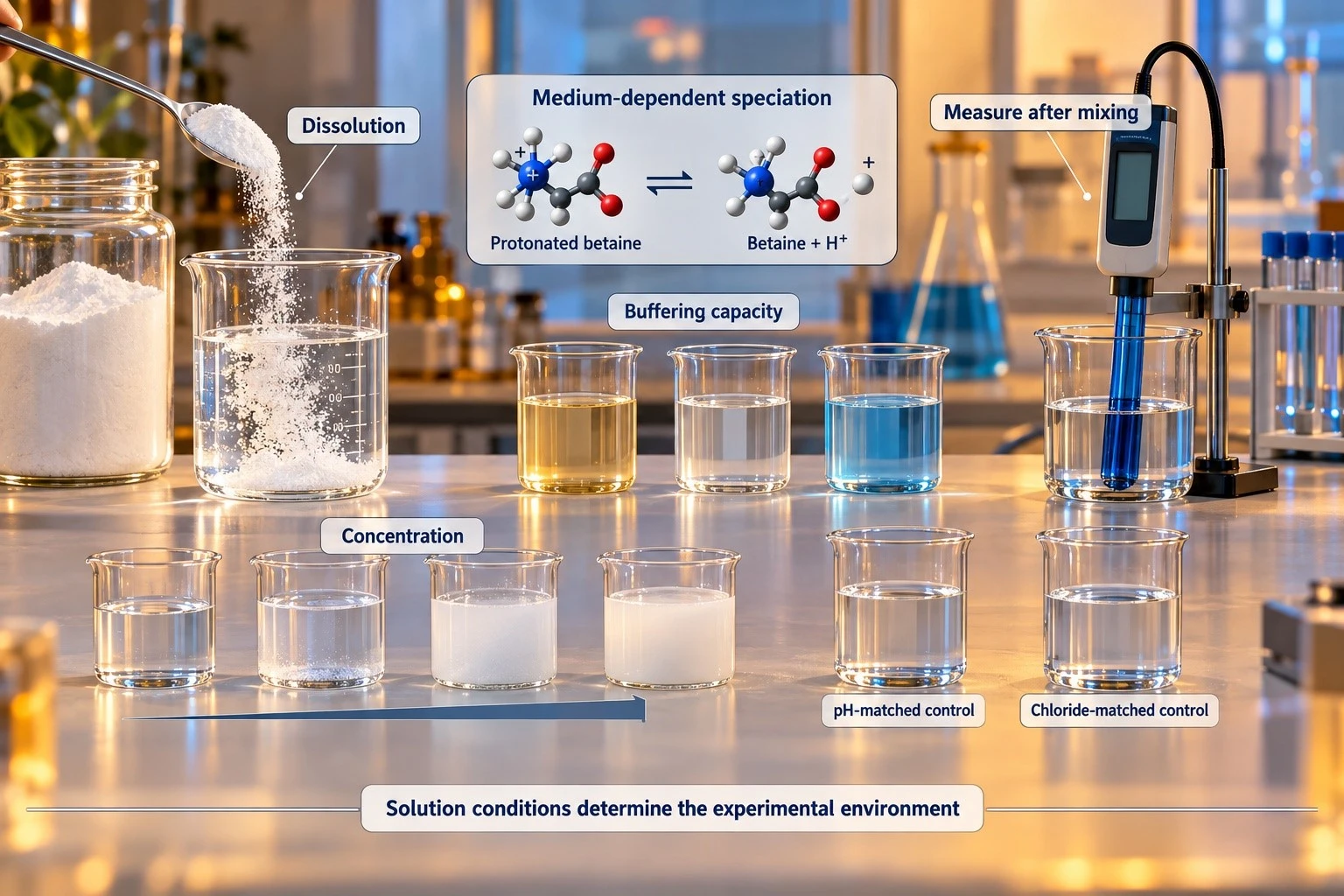
The protonated carboxyl group makes Betaine HCl relevant to acid–base research. After dissolution, its chemical speciation depends on the surrounding medium rather than remaining fixed by the name of the starting powder. Concentration, buffering capacity, and other dissolved components influence the resulting conditions. A useful experimental plan therefore measures pH after mixing and throughout the observation period. When investigating an effect beyond acidification, researchers can include pH-matched and chloride-matched controls. These comparisons help separate changes associated with acidity or ionic composition from those requiring the betaine-containing component itself.
Research into Alternative Solvent Systems
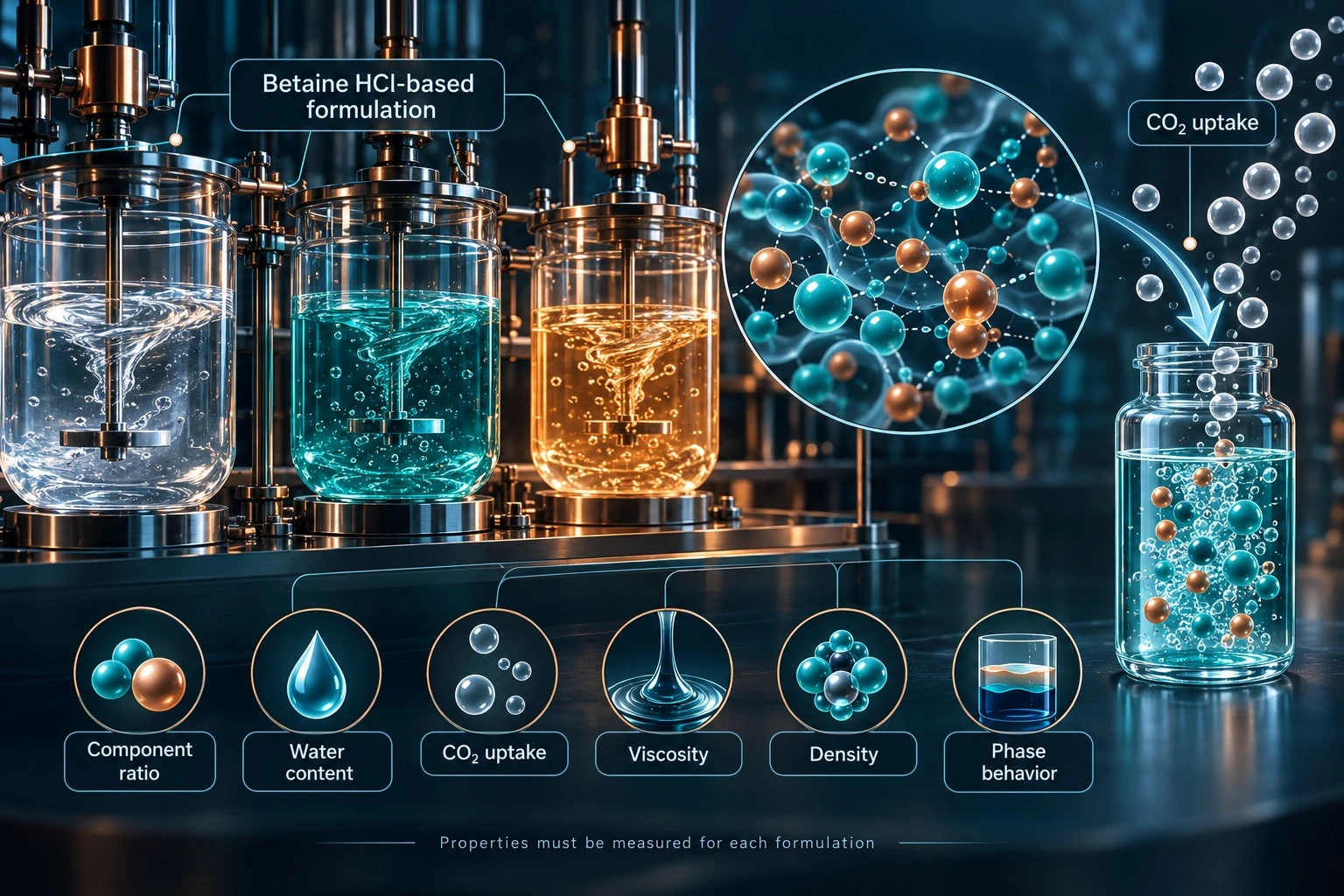
Betaine HCl has been investigated as a component of deep eutectic solvent systems, where interactions among mixed constituents can produce distinctive liquid-phase properties. Original research has examined Betaine HCl-based formulations for carbon dioxide capture, including their thermophysical characterization. These studies place the compound within materials and separation science rather than limiting its identity to one application. For experimental comparisons, composition must be reported precisely, including component ratios and water content. Measurements of viscosity, density, phase behavior, and gas uptake help establish what a particular formulation actually does under defined conditions.
Protein Partitioning and Separation Science
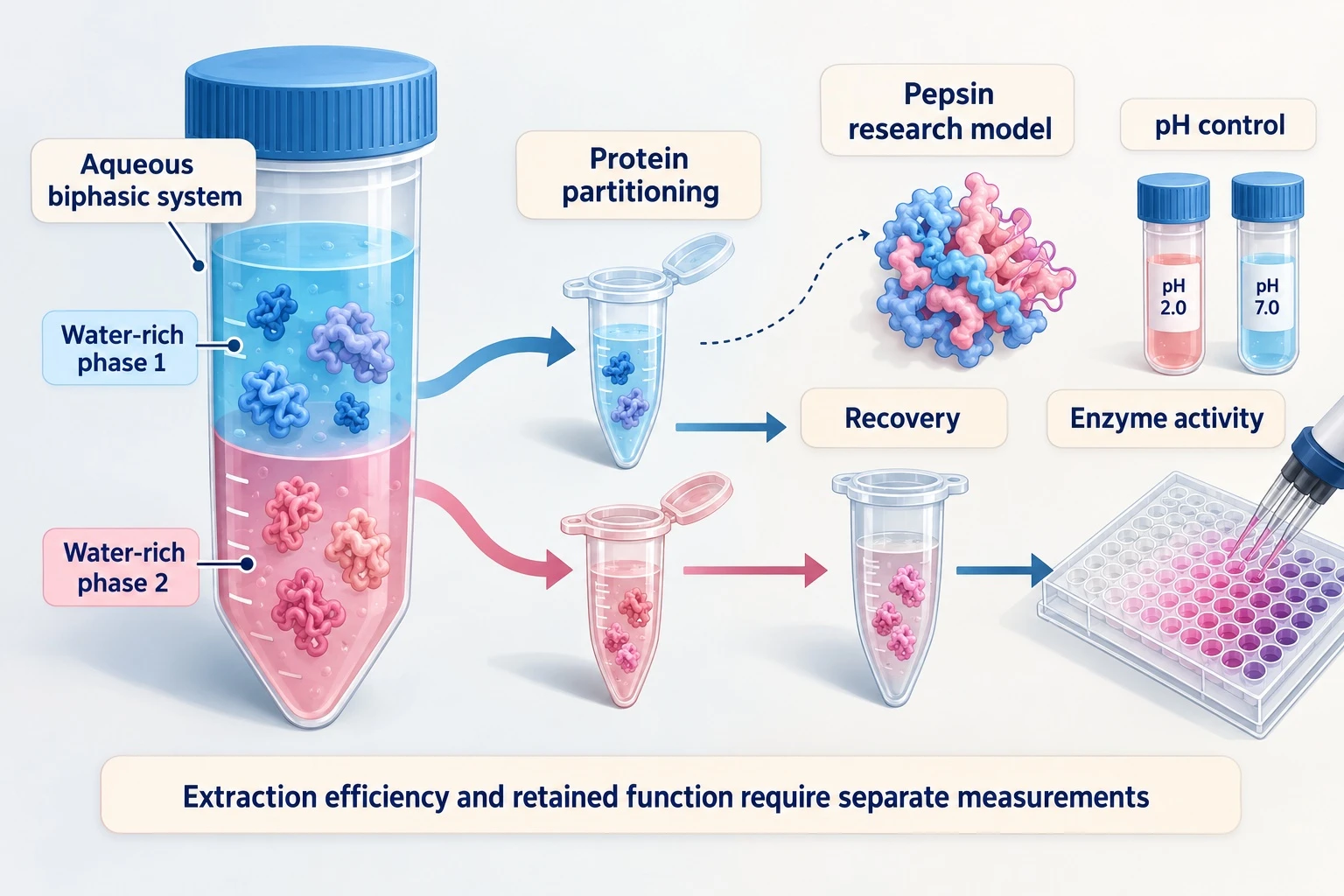
Another research direction involves aqueous biphasic systems: mixtures that separate into two water-rich liquid phases. A published study investigated Betaine HCl and Betaine HCl-based deep eutectic formulations as phase-forming components for extracting and recovering pepsin. This provides an example of using the material to explore protein partitioning rather than a therapeutic application. Evaluating such systems requires distinguishing extraction efficiency from preservation of protein function. Relevant measurements include phase composition, protein distribution, recovery, and enzyme activity, alongside appropriate controls for pH and the other constituents present in the mixture.
Stability and Reproducible Characterization
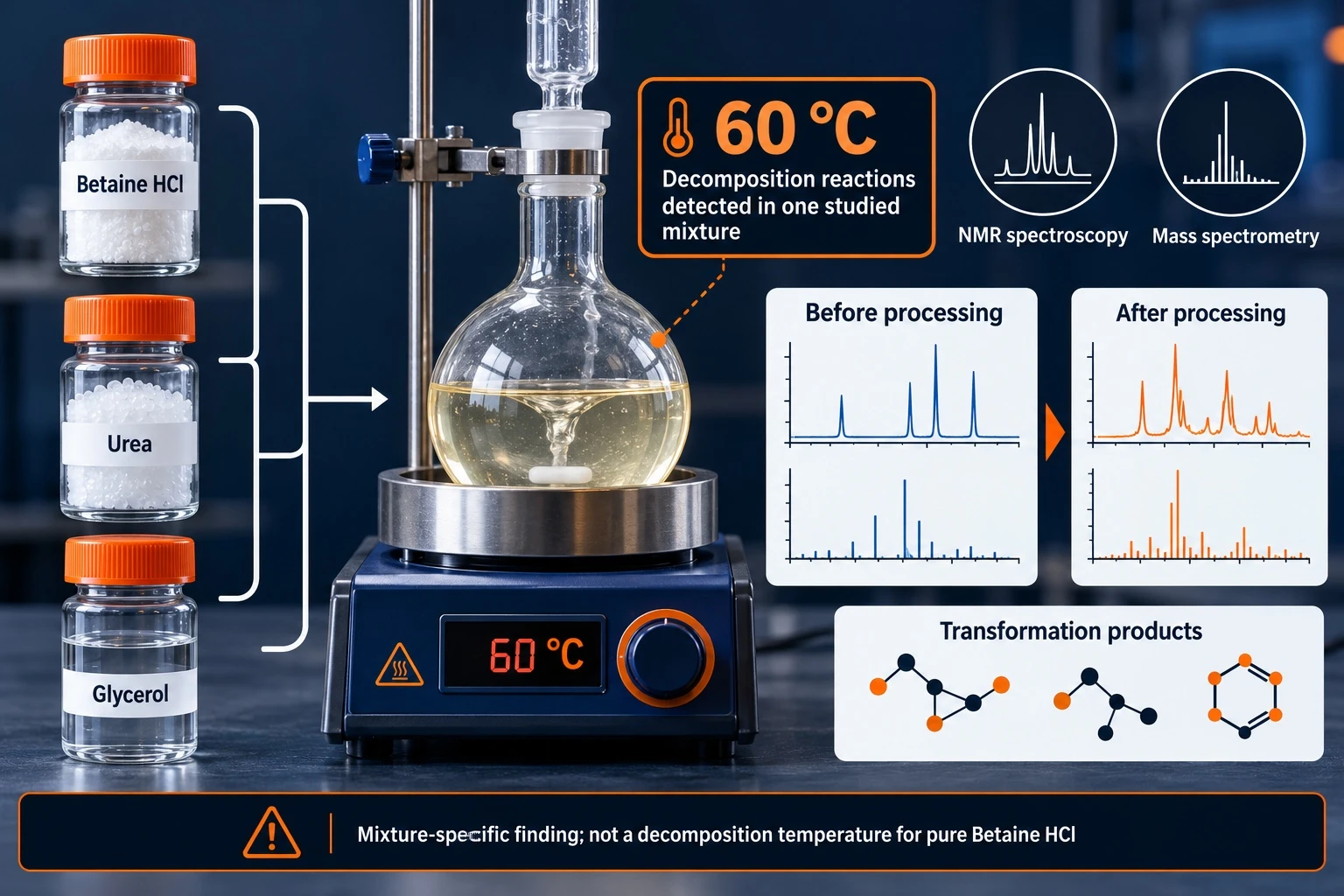
A formulation's initial performance does not establish its chemical stability. In one study, a solvent containing Betaine HCl, urea, and glycerol dissolved several metal oxides, but spectroscopy and mass spectrometry also detected decomposition reactions occurring at 60 °C. This finding applies to the investigated mixture and should not be presented as a universal decomposition temperature for pure Betaine HCl. It illustrates why research should track composition before and after processing. Identity testing, water measurements, thermal assessment, and analysis of transformation products can strengthen reproducibility and clarify the limits of a proposed application.
Shaanxi Medibridge Biotech Co., Ltd. is dedicated to supplying a wide range of research-grade products - including peptides, chemical compounds, and extracts - to laboratories, academic institutions, and biotechnology organizations worldwide. If you are seeking a partner for high-purity raw materials to establish a long-term collaboration, please email hi@medibridgeapi.com.


