



From Tree Resin to Botanical Extract
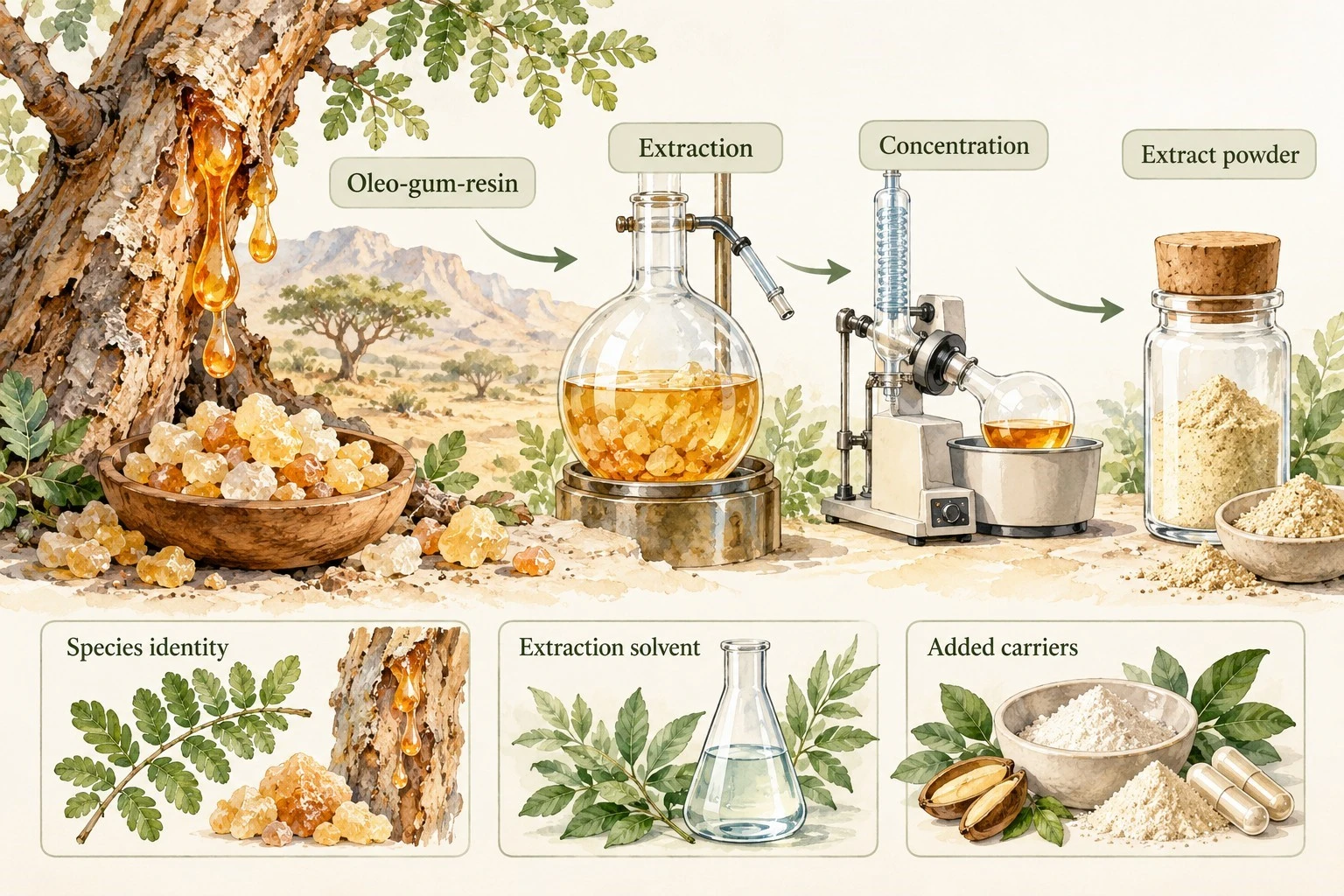
Boswellia serrata produces an oleo-gum-resin, a material containing chemically distinct fractions rather than a single substance. Extract powder represents a processed portion of this starting material, and its composition depends on extraction and subsequent manufacturing steps. Researchers comparing extraction techniques have measured differences in the recovery of individual triterpenoid acids. Consequently, botanical identity and processing history are essential parts of sample documentation. A useful research description specifies the species, plant material, extraction solvent, and any added carriers, allowing comparisons to reflect the actual materials used in the laboratory.
Boswellic Acids Form a Chemical Family
Boswellic acids are pentacyclic triterpenes, meaning their structures contain five connected rings. Common analytical targets include α-boswellic acid, β-boswellic acid, their acetylated derivatives, 11-keto-β-boswellic acid, and acetyl-11-keto-β-boswellic acid, usually abbreviated AKBA. These compounds differ in structural features that can influence their chemical and experimental behavior. Boswellia extracts also contain other constituents, including related triterpenoid acids. A detailed chemical profile therefore provides more information than a single marker measurement. Researchers should distinguish findings obtained with purified AKBA from observations involving a multicomponent extract.
Why Standardization Depends on the Method
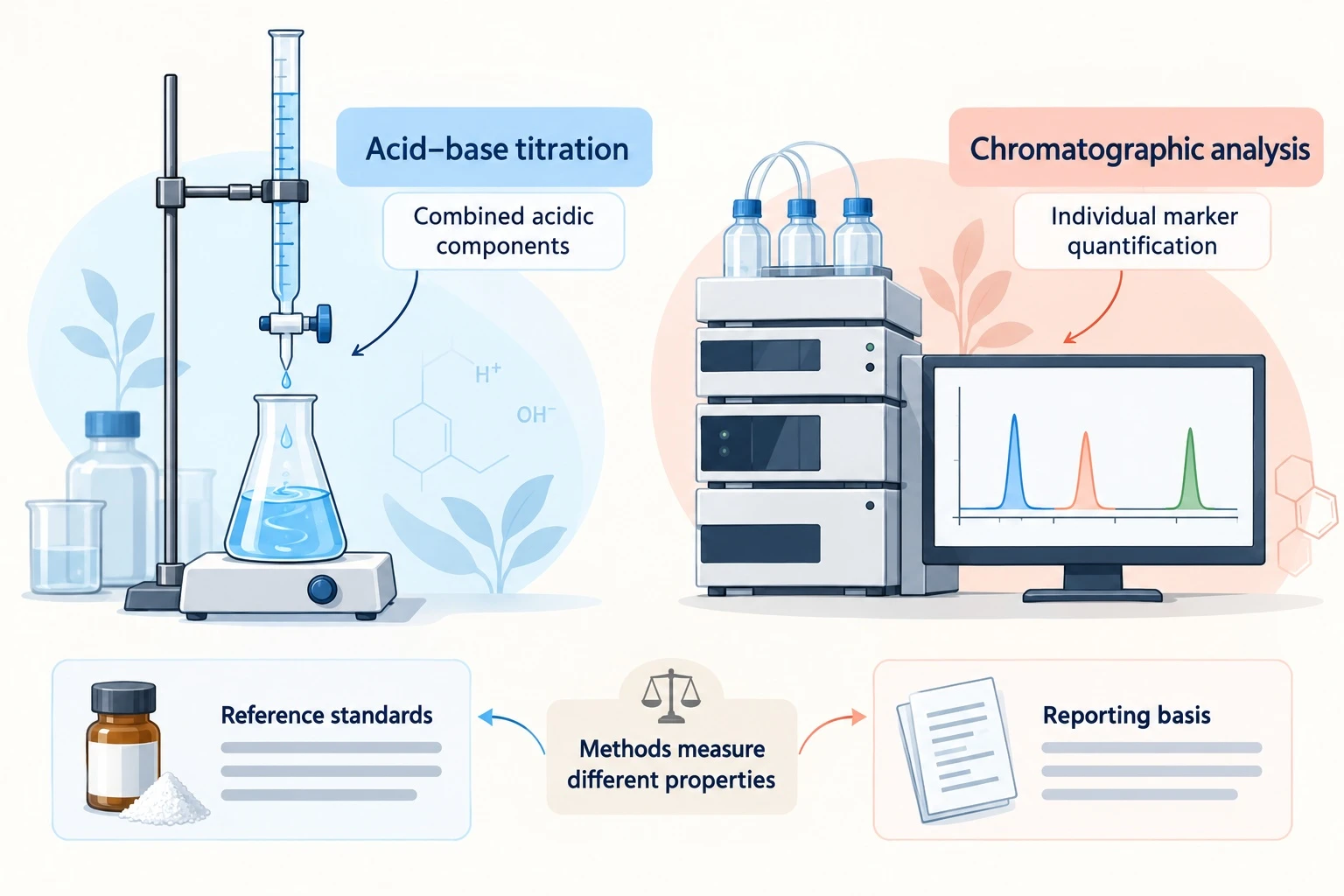
A reported "total boswellic acids" percentage is meaningful only when its analytical method and calculation basis are clear. Acid–base titration measures acidic components collectively and does not selectively identify individual boswellic acids. Chromatographic methods can separate defined markers and quantify them against suitable reference standards. A study of commercial extracts demonstrated that added citric acid could distort titration-based assessments. For scientific comparisons, documentation should identify the compounds included in the reported total, the calibration approach, and whether results refer to the powder as supplied or to a dry-weight basis.
Solubility Shapes Experimental Exposure
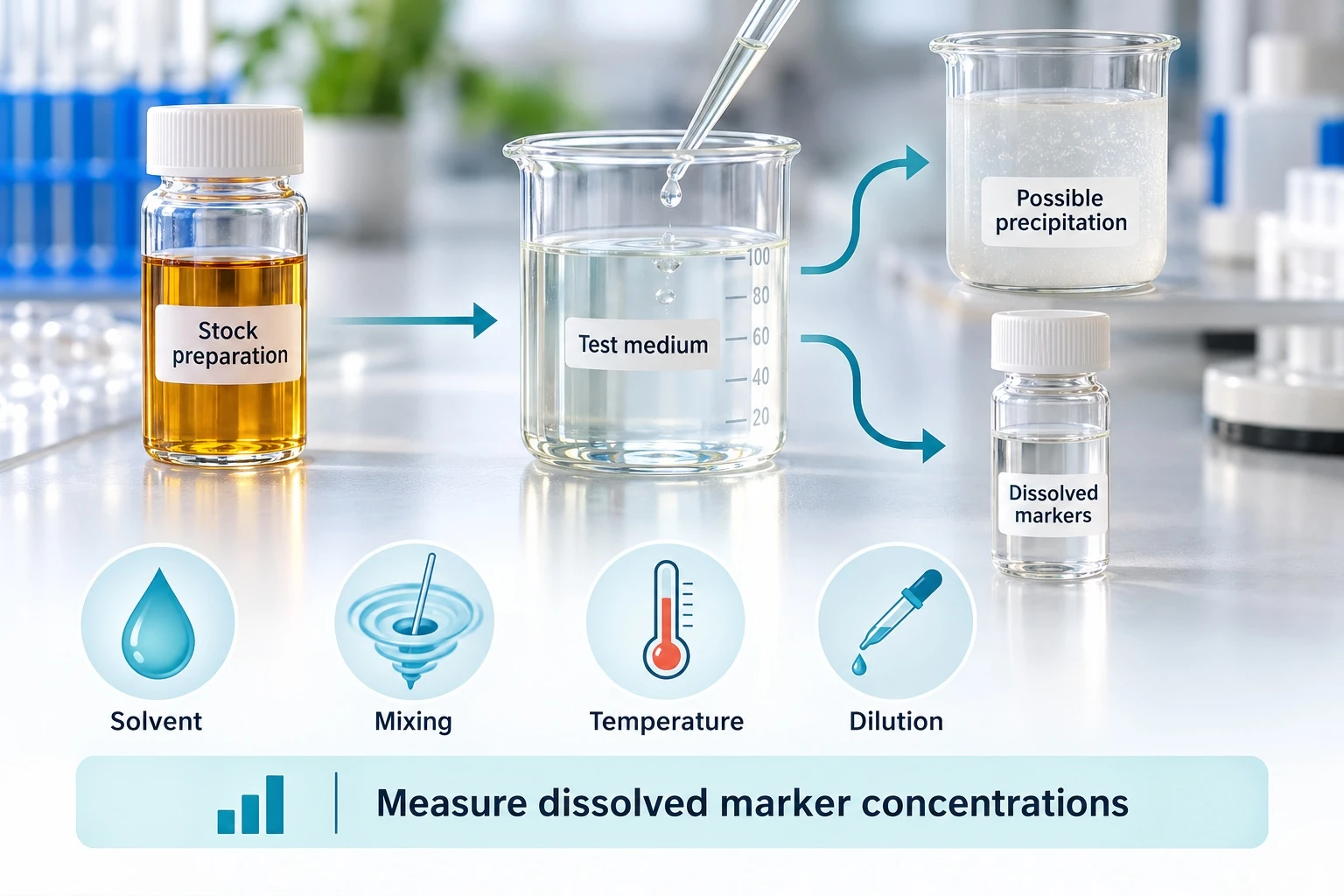
The amount of extract added to an experiment does not necessarily represent the amount dissolved in the test medium. Boswellic acid constituents present solubility challenges, prompting research into phospholipids, surfactants, and other approaches to solubilization. These systems can alter how individual constituents behave, so the preparation method becomes part of the experiment. Researchers should document solvent composition, mixing, temperature, and dilution conditions, then check for precipitation. Where possible, measuring dissolved marker concentrations helps distinguish differences in chemical availability from differences in the response being studied.
Enzyme Research Reveals Structural Detail
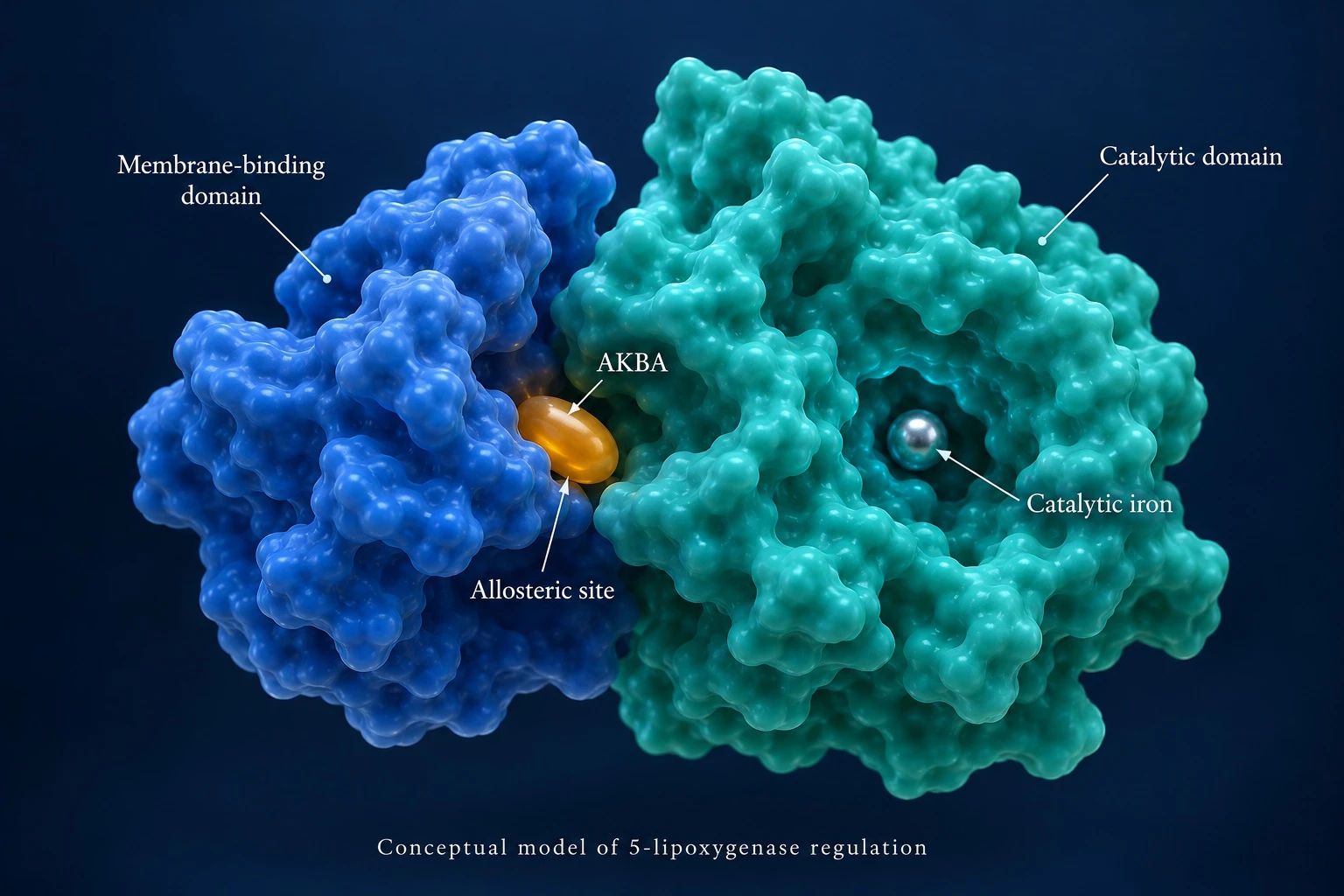
AKBA has been investigated as a molecular probe for understanding lipoxygenase regulation. Structural research identified an AKBA-binding site between the membrane-binding and catalytic domains of 5-lipoxygenase, away from its catalytic iron. This provides evidence for an allosteric mechanism, in which binding at one location influences enzyme behavior elsewhere. Such findings illustrate how natural products can help researchers investigate protein structure and function. However, an interaction demonstrated with purified AKBA does not establish an identical response for every Boswellia extract, whose constituent concentrations and experimental availability may differ substantially.
Chemical Fingerprints Support Reproducible Research
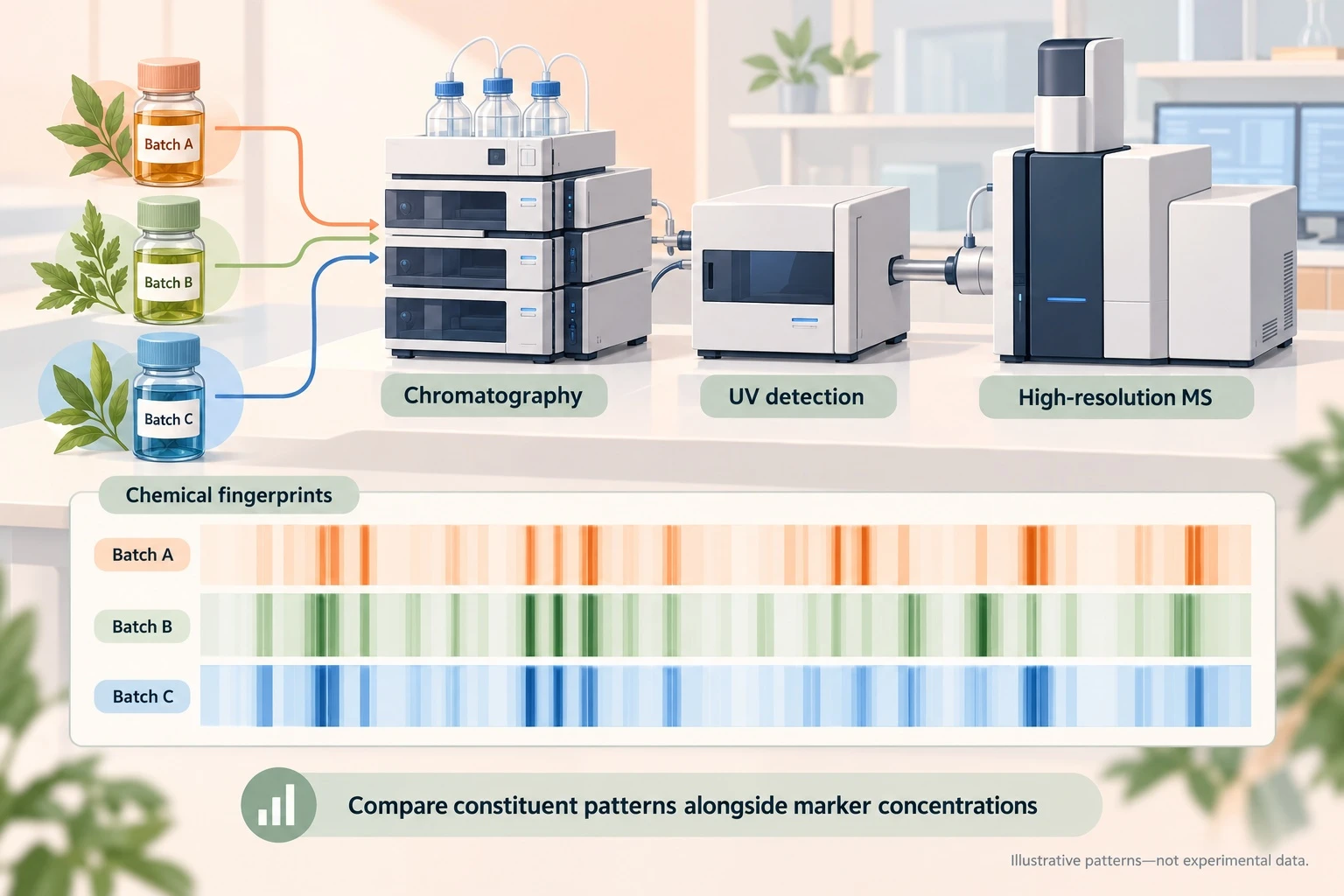
A chemical fingerprint records the pattern of constituents detected in a sample, helping researchers compare batches beyond one specification value. Advanced work combining chromatography, ultraviolet detection, and high-resolution mass spectrometry has distinguished numerous boswellic acids and related triterpenoid isomers in Boswellia serrata extract. These approaches show why complex botanical materials benefit from complementary analytical techniques. In experimental studies, fingerprinting can accompany marker quantification, suitable controls, and documented sample preparation. Together, these measures help researchers determine whether differing results reflect biological variation, analytical limitations, or genuine differences between extract preparations.
If you are looking for a high-quality manufacturer of peptides, compounds, plant extracts, and other products with whom to establish a long-term, stable partnership, Shaanxi Medibridge Biotech Co., Ltd. is your ideal choice. Please feel free to contact us at hi@medibridgeapi.com. Or message us on WhatsApp at +44 07548632075.


