


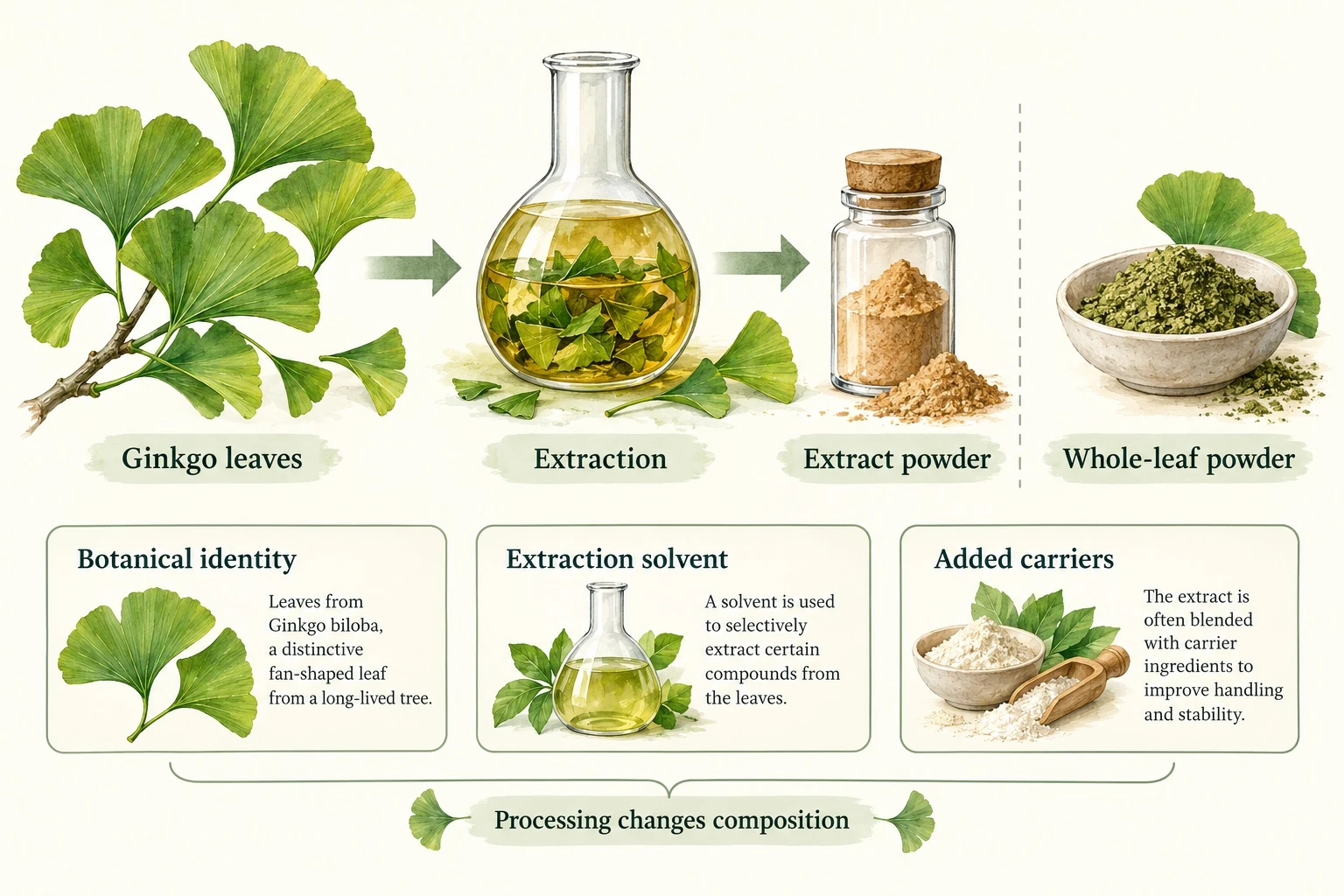
From Ginkgo Leaves to Research Extracts
Ginkgo biloba leaf extract contains a selected mixture of compounds obtained through extraction and processing. It should be distinguished from whole-leaf powder, which retains a different balance of plant components. Researchers therefore need clear information about the starting material, extraction solvent, processing steps, and any added carriers. Botanical authentication can combine chemical markers with genomic approaches, although the suitability of each method depends on sample processing. Documenting these details establishes the identity of the research material and helps prevent comparisons between preparations that share a name but differ substantially in composition.
Two Important Constituent Families
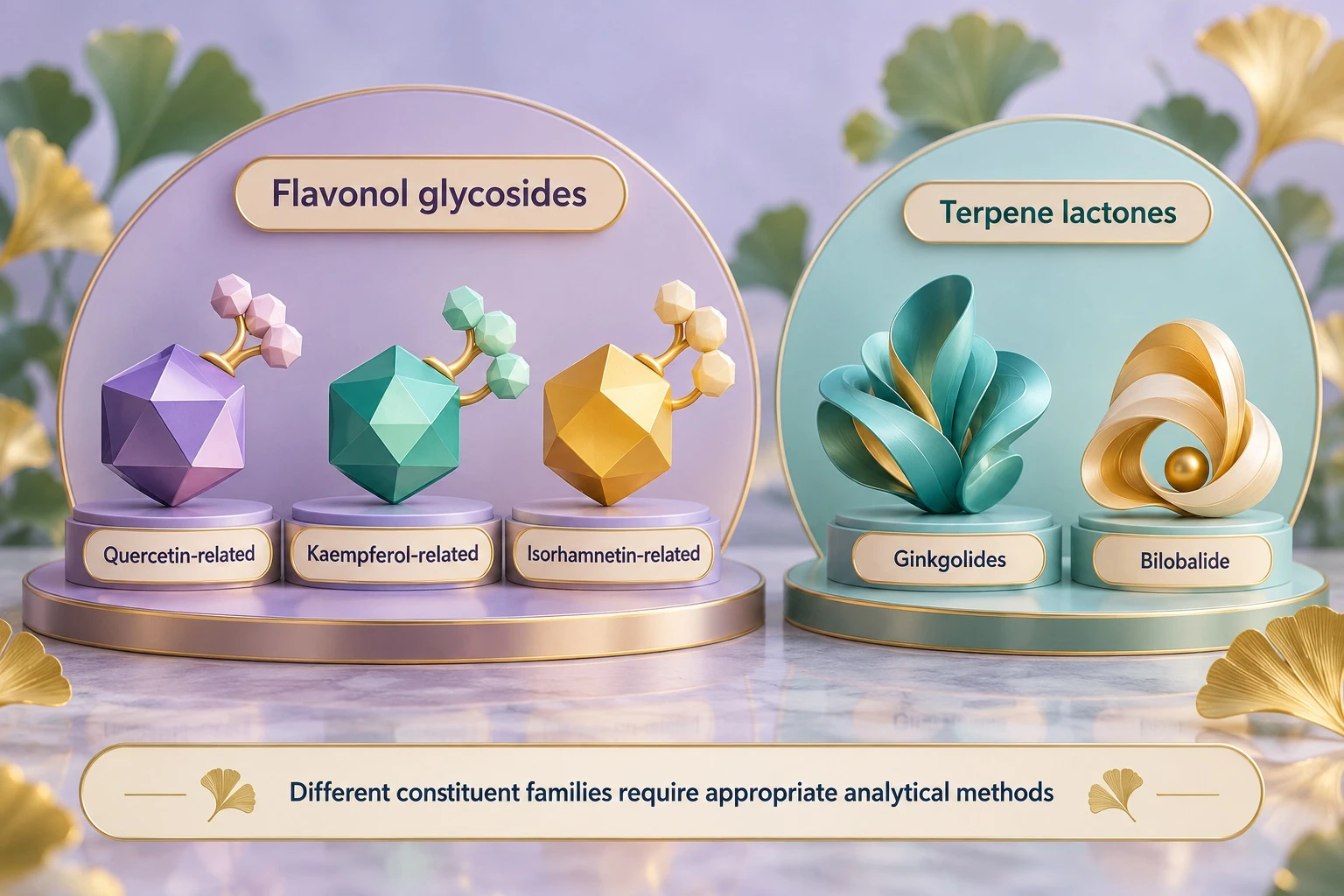
Flavonol glycosides and terpene lactones are two important constituent families in ginkgo leaf extract. The flavonol fraction includes compounds related to quercetin, kaempferol, and isorhamnetin, frequently attached to sugar groups. The terpene lactone fraction includes ginkgolides and bilobalide, which have distinct chemical structures. These families require appropriate analytical methods rather than a single general measurement. Their relative proportions help characterize an extract, but they do not describe every constituent present. Research using an isolated flavonol or ginkgolide should consequently be distinguished from experiments involving the complete botanical mixture.
What Standardization Numbers Actually Describe
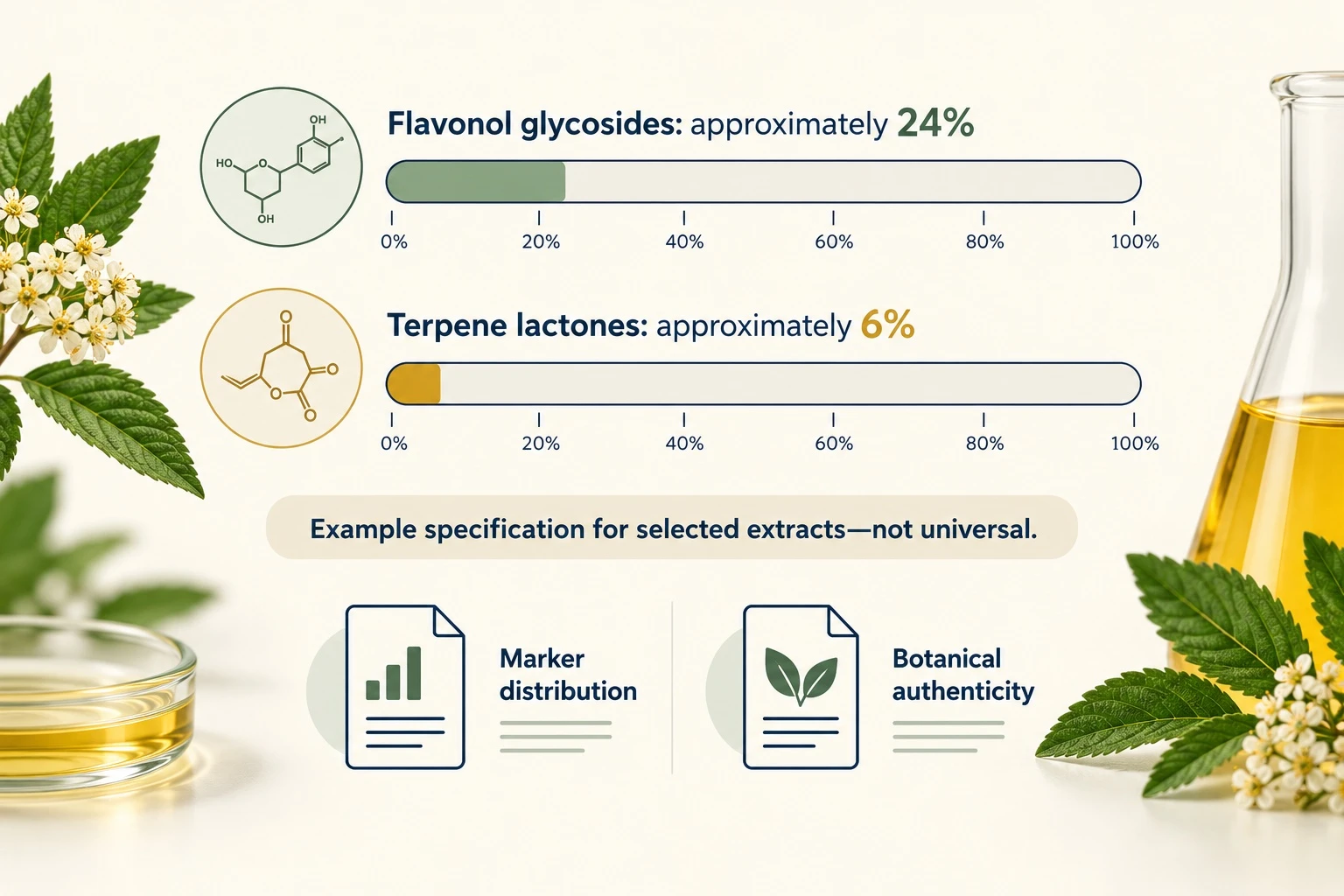
The familiar "24/6" description refers to selected extracts characterized by approximately 24% flavonol glycosides and 6% terpene lactones. It is not a universal composition for every ginkgo extract, nor does it establish that two powders are chemically identical. Researchers should examine the analytical method, individual marker distribution, and reporting basis behind these values. Chemical fingerprint studies have shown that materials can contain added rutin or quercetin, complicating interpretation of headline specifications. Standardization is therefore most informative when quantitative marker results are supported by evidence of botanical authenticity and broader compositional consistency.
Hydrolysis Changes the Analytical Question
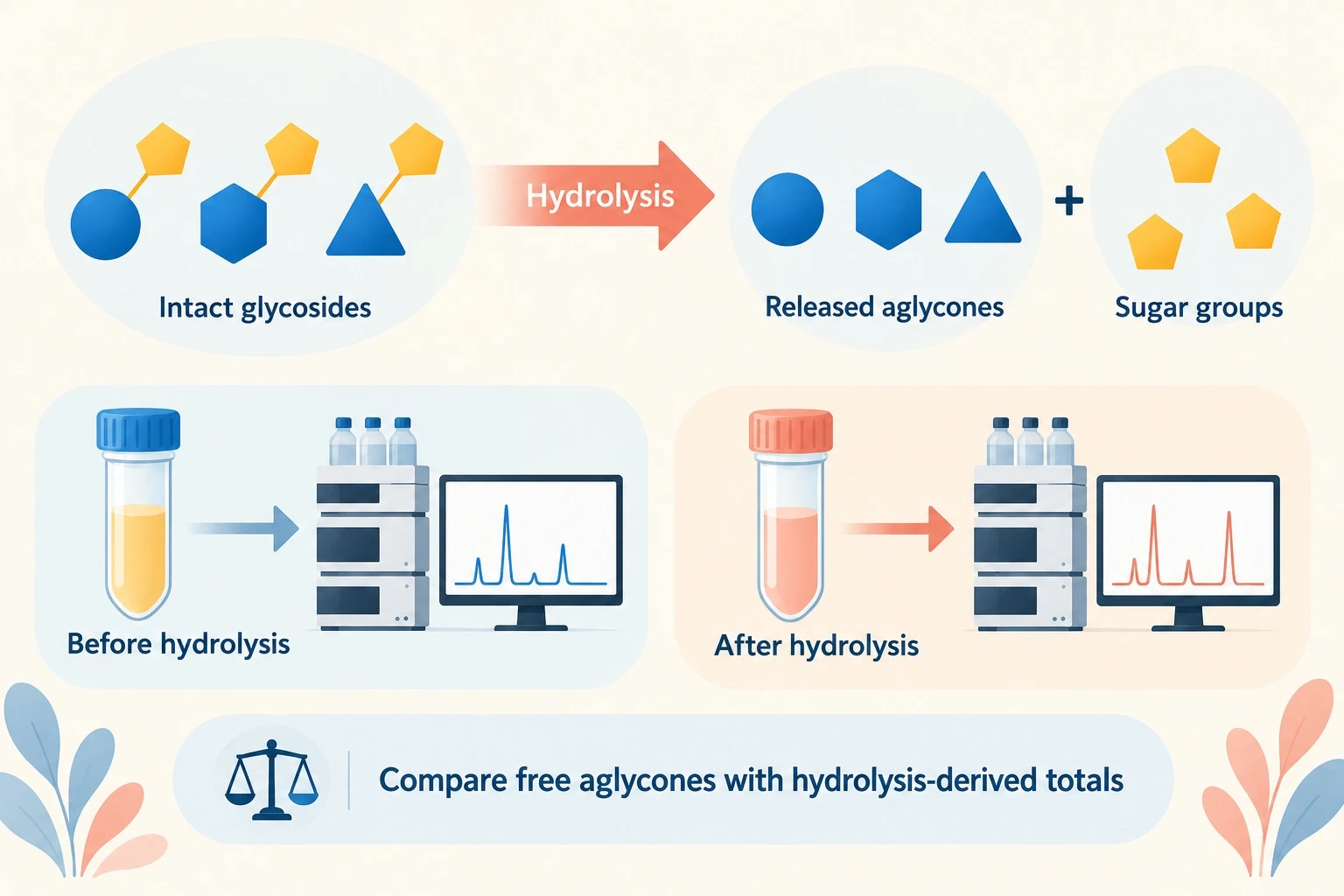
Some methods estimate flavonol glycosides by first hydrolyzing their sugar attachments and then measuring the released aglycones. This approach answers a different question from directly profiling the intact compounds. Without examining the sample before hydrolysis, naturally occurring glycosides can be difficult to distinguish from added free aglycones. Researchers have proposed comparing measurements before and after hydrolysis to improve interpretation. For laboratory documentation, it is useful to state whether a result represents intact glycosides, free quercetin-related compounds, or a calculated total derived from hydrolyzed material and specified conversion factors.
Ginkgolic Acids Require Separate Measurement
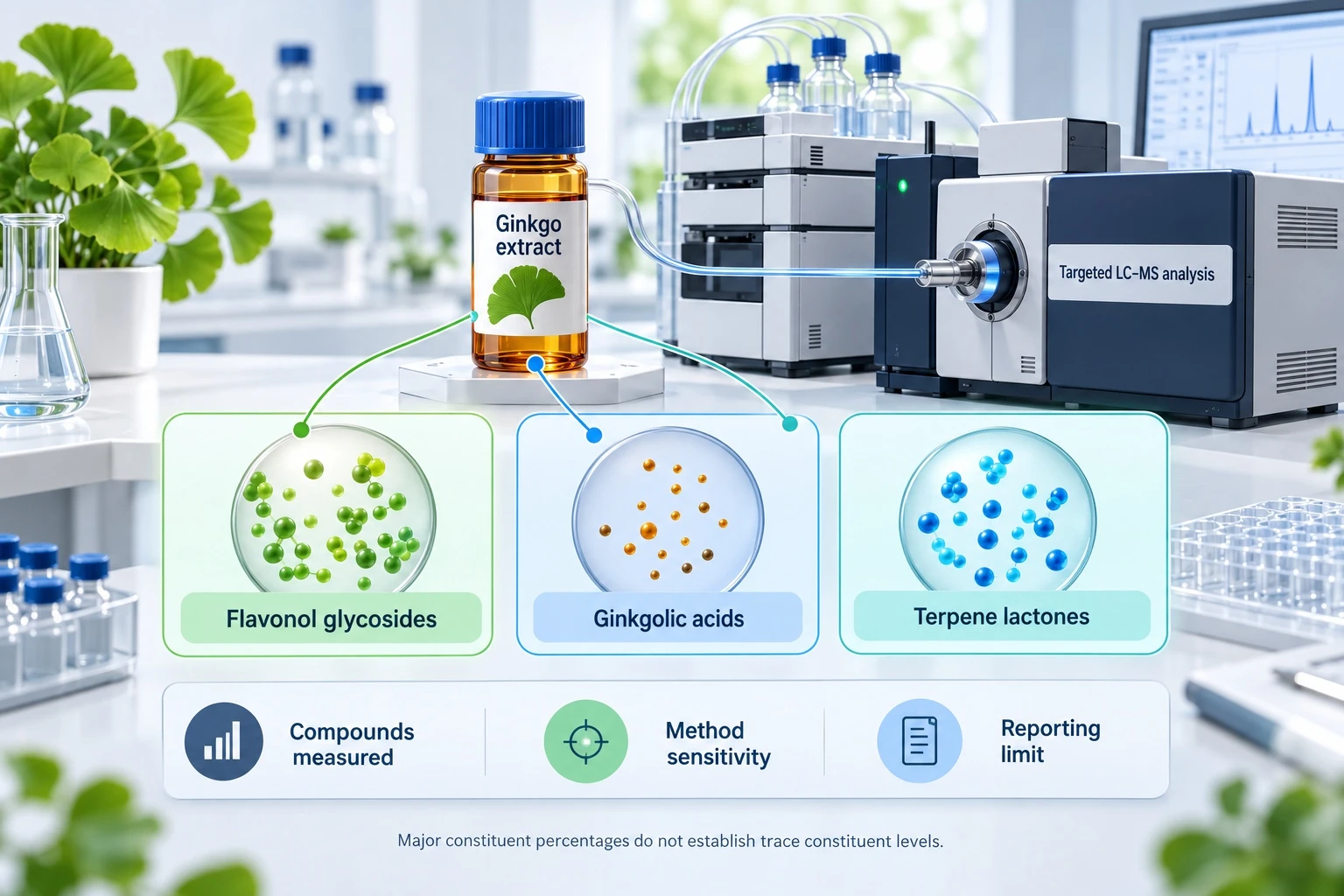
Ginkgolic acids are another constituent group that warrants targeted characterization. They are chemically distinct from both flavonol glycosides and terpene lactones, so measuring those major fractions does not establish their concentration. Analytical studies have developed liquid chromatography–mass spectrometry methods for detecting trace amounts of individual ginkgolic acids in leaf extracts. For research materials, useful reporting includes the compounds measured, method sensitivity, and whether results are quantified or fall below a reporting limit. This information provides a more complete description of extract composition than relying on major constituent percentages alone.
Chemical Fingerprints Strengthen Experimental Design
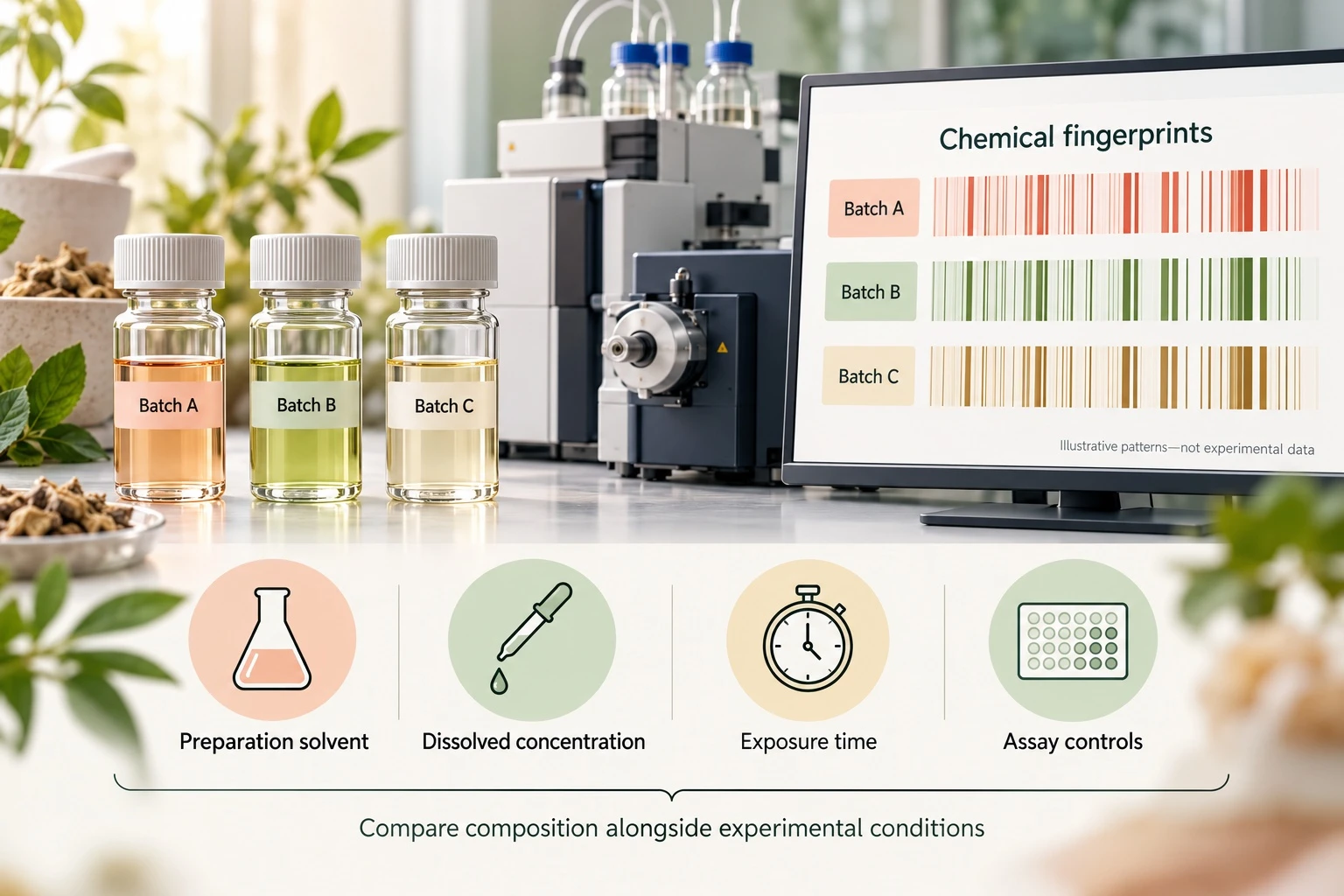
A chemical fingerprint captures the pattern of constituents within an extract, supporting comparisons that extend beyond a few marker compounds. One LC–MS/MS study developed a fingerprinting approach capable of identifying more than 70 components in ginkgo products. Such profiling can help researchers investigate batch variation and select comparable materials. Experimental work should also document preparation solvent, dissolved concentration, exposure time, and suitable controls. In cell-based studies, viability and assay interference deserve attention. Combining compositional analysis with these practical controls helps connect an observed response to a clearly defined research sample.
If you are looking for a high-quality manufacturer of peptides, compounds, plant extracts, and other products with whom to establish a long-term, stable partnership, Shaanxi Medibridge Biotech Co., Ltd. is your ideal choice. Please feel free to contact us at hi@medibridgeapi.com. Or message us on WhatsApp at +44 07548632075.


