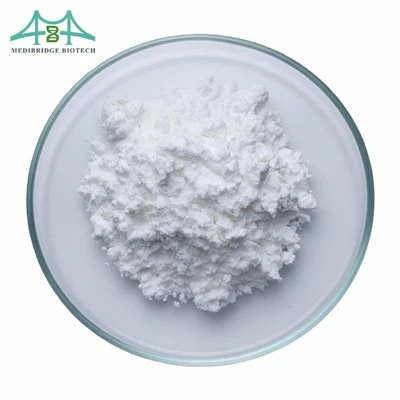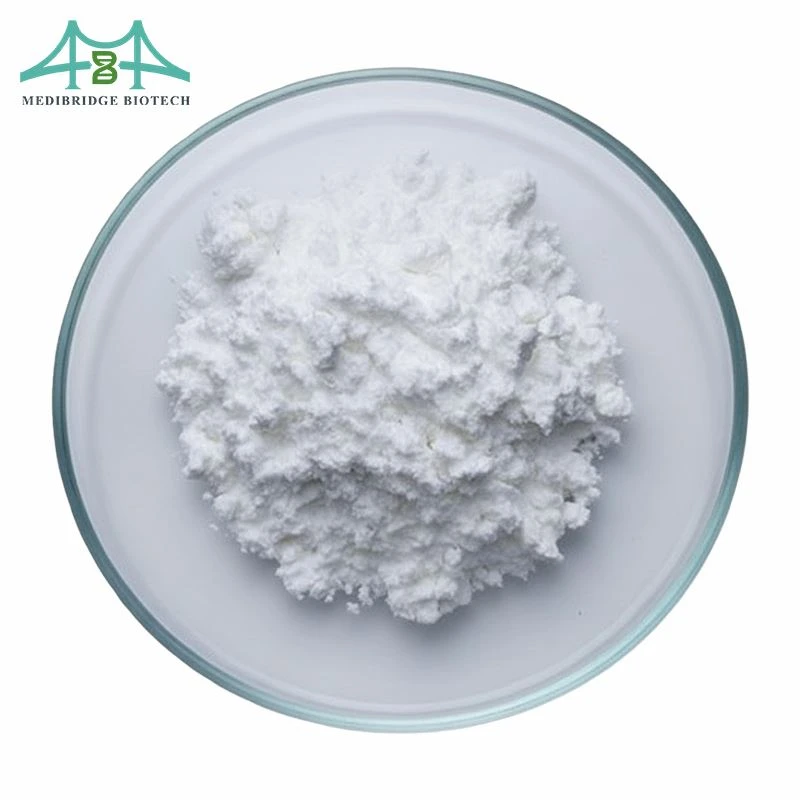


BAM15 Powder also known as BAM7-22, is a synthetic compound, and its chemical structure and mechanism of action can be described in detail at the chemical level as follows. The molecular formula of BAM 15 is C13H24N2O2, and the molecular weight is 244.34 g/mol. It is a nitrogen-containing compound, mainly composed of carbon, hydrogen, nitrogen, and oxygen elements. Its molecular structure contains important functional groups such as dipropyl group and oxirane ring. The diisopropyl group is composed of two propyl groups connected, giving the BAM 15 molecule a more extensive stereo configuration, which may affect its metabolism and activity in the body. The oxirane ring is a cyclic structure in the BAM15 molecule, and its presence gives BAM 15 some unique properties and biological activity. In addition, the BAM 15 molecule also contains two amino groups, which provide it with specific alkaline properties, affecting its distribution and reaction in the body.
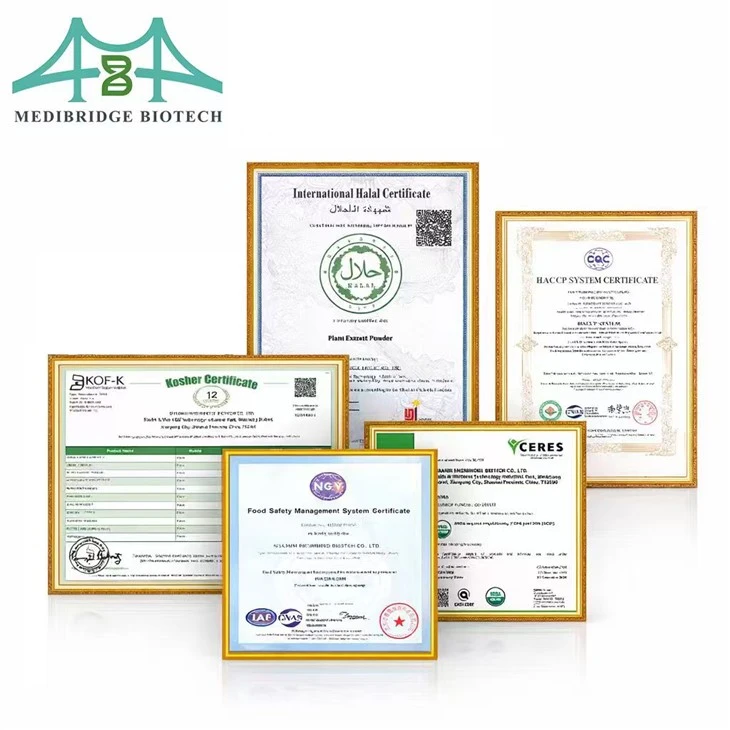
Shaanxi Medibridge Biotech Co., Ltd. focuses on the supply of pharmaceutical raw materials and research-use compounds. We support customers with stable quality, clear specification communication, flexible packaging options, and document-related support for different project stages.
COA
|
|
||
|
Product Name |
CAS Number |
Batch Number |
|
BAM15 Powder |
210302-17-3 |
MB2608250354 |
|
Manufacturer Date |
Analysis Date |
Expiry Date |
|
2026/8/25 |
2026/8/26 |
2028/8/25 |
|
Sample Qty Base |
Packing |
Test Method |
|
800GS |
15GS/bottle |
HPLC |
|
|
||
|
Item |
Standard |
Results |
|
Appearance |
White Powder |
Conform |
|
Odor |
Characteristic |
Conform |
|
Assay |
≥98.0% |
98.58% |
|
Particle Size |
100% pass 80mesh |
Conform |
|
Moisture |
<5.0% |
Conform |
|
Ash Content |
<4.0% |
Conform |
|
Solvent Residue |
Eur.Pharm |
Conform |
|
Total Heavy Metals |
<10 ppm |
Conform |
|
Arsenic |
<1.0 ppm |
Conform |
|
Lead |
<1.0 ppm |
Conform |
|
Mercury |
<0.5 ppm |
Conform |
|
DDT |
<0.2ppm |
Conform |
|
E. Coli |
Negative |
Negative |
|
GMO Status |
Complies |
GMO Free |
|
Irradiation |
Complies |
Irradiation Free |
|
Conclusion |
The batch conforms to the IN-HOUSE standard |
|
|
|
||


Reduced Coupling Efficiency of Oxidative Phosphorylation
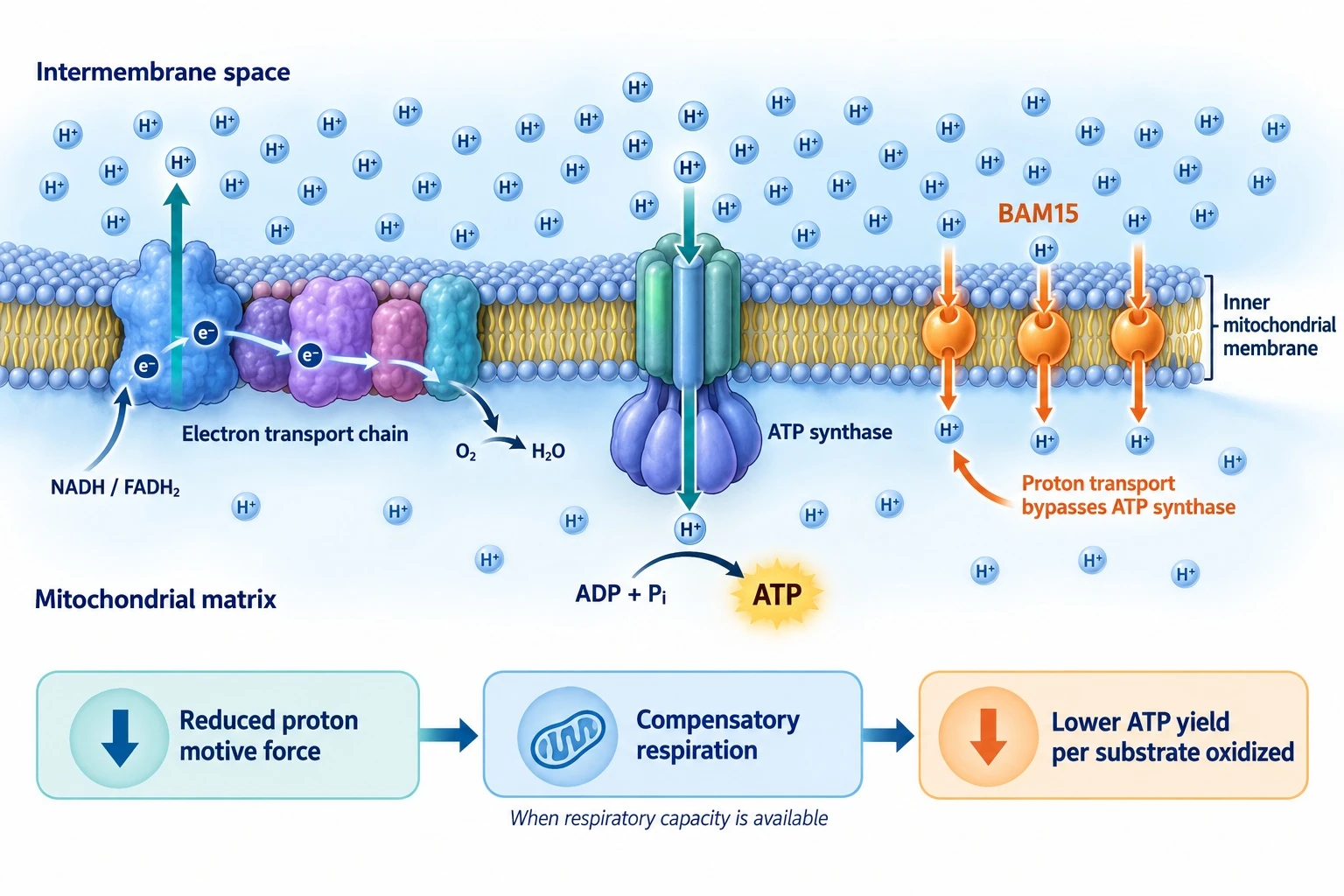
Under normal conditions, the mitochondrial electron transport chain establishes a proton electrochemical gradient across the inner mitochondrial membrane. ATP synthase uses this gradient to produce ATP.
BAM15 acts as a protonophore, facilitating proton transport across the membrane through a pathway that bypasses ATP synthase. This reduces the coupling efficiency between nutrient oxidation and ATP production.
The basic sequence can be summarized as:
BAM15-mediated proton transport → reduced proton motive force → compensatory respiratory responses → reduced ATP yield per unit of substrate oxidized.
The original discovery study identified BAM15 as a mitochondrial uncoupler, while subsequent experiments in model membranes provided additional evidence for its protonophoric activity.
Mitochondrial Selectivity
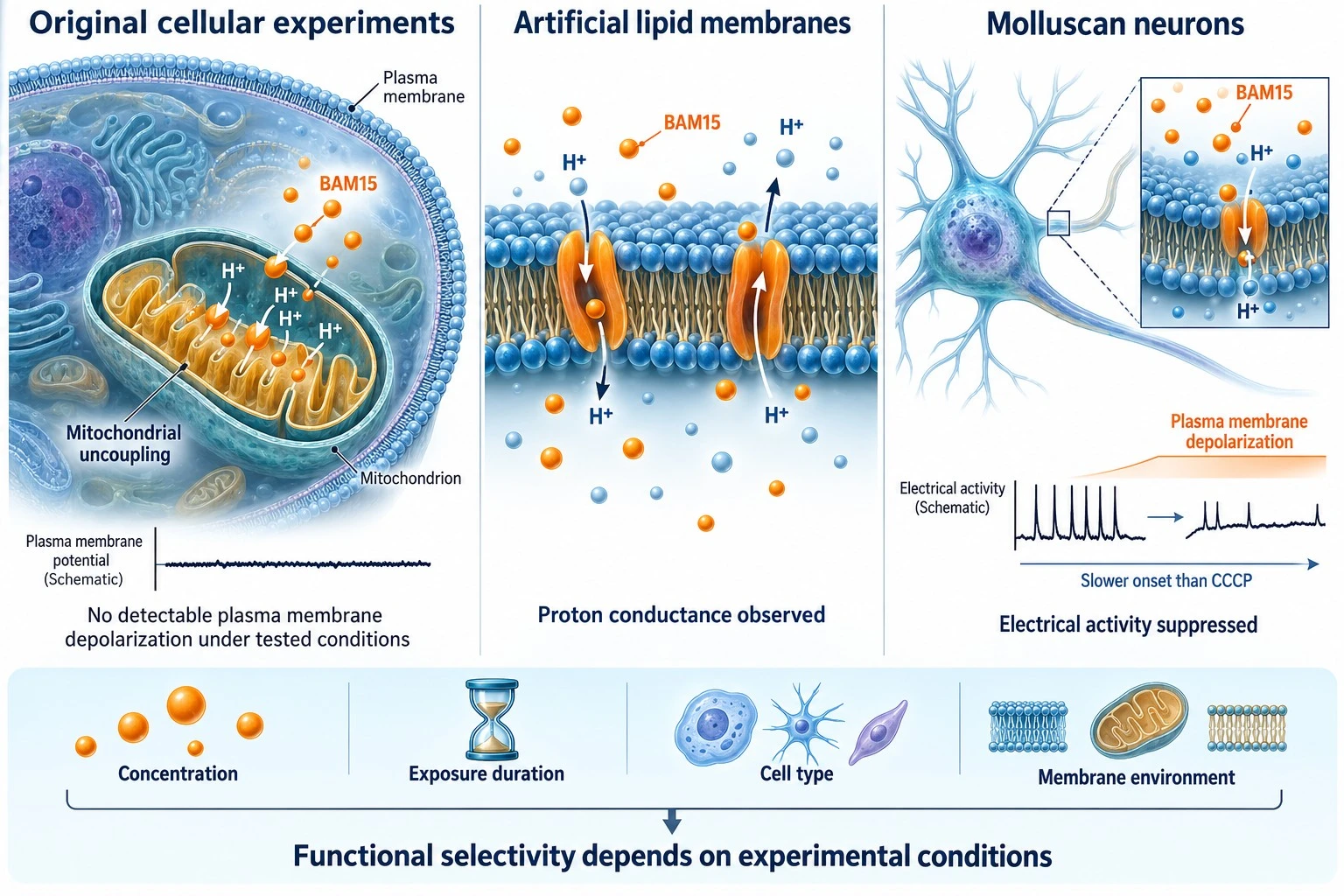
An important feature of the original BAM15 study was mitochondrial uncoupling without detectable plasma membrane depolarization under the tested conditions. This supported its use as an alternative to classical uncouplers such as FCCP in selected experimental systems.
However, mitochondrial selectivity should not be interpreted as complete inactivity at other membranes. Subsequent research demonstrated BAM15-induced proton conductance in artificial lipid membranes. In molluscan neurons, BAM15 also caused plasma membrane depolarization and suppression of electrical activity, although these effects developed more slowly than those of CCCP.
A more precise description is:
BAM15 exhibits functional selectivity for mitochondrial effects over plasma membrane effects in some experimental systems, with the degree of selectivity depending on concentration, exposure duration, cell type, and membrane environment.
Interpreting OCR, Membrane Potential, and ATP
BAM15 is useful for investigating how mitochondrial respiration responds to changes in the proton gradient. Its effects should be evaluated using complementary measurements.
|
Measurement |
Research significance |
Interpretation considerations |
|
Oxygen consumption rate, OCR |
Respiratory responses and substrate oxidation |
Increased OCR alone does not demonstrate increased ATP production |
|
Mitochondrial membrane potential |
Electrical component of the proton motive force |
Interpret decreases alongside respiration, ATP, and viability |
|
ATP, ADP, and AMP |
Cellular energy status |
Stable ATP may reflect compensatory metabolism |
|
Extracellular acidification and lactate |
Metabolic compensation |
ECAR should not automatically be equated with glycolytic rate |
|
Cell number and viability |
Identification of cell-loss artifacts |
Assess alongside functional measurements |
|
Substrate uptake and metabolic flux |
Nutrient utilization and metabolic fate |
Helps distinguish increased utilization from pathway disruption |
Glucose and Lipid Metabolism
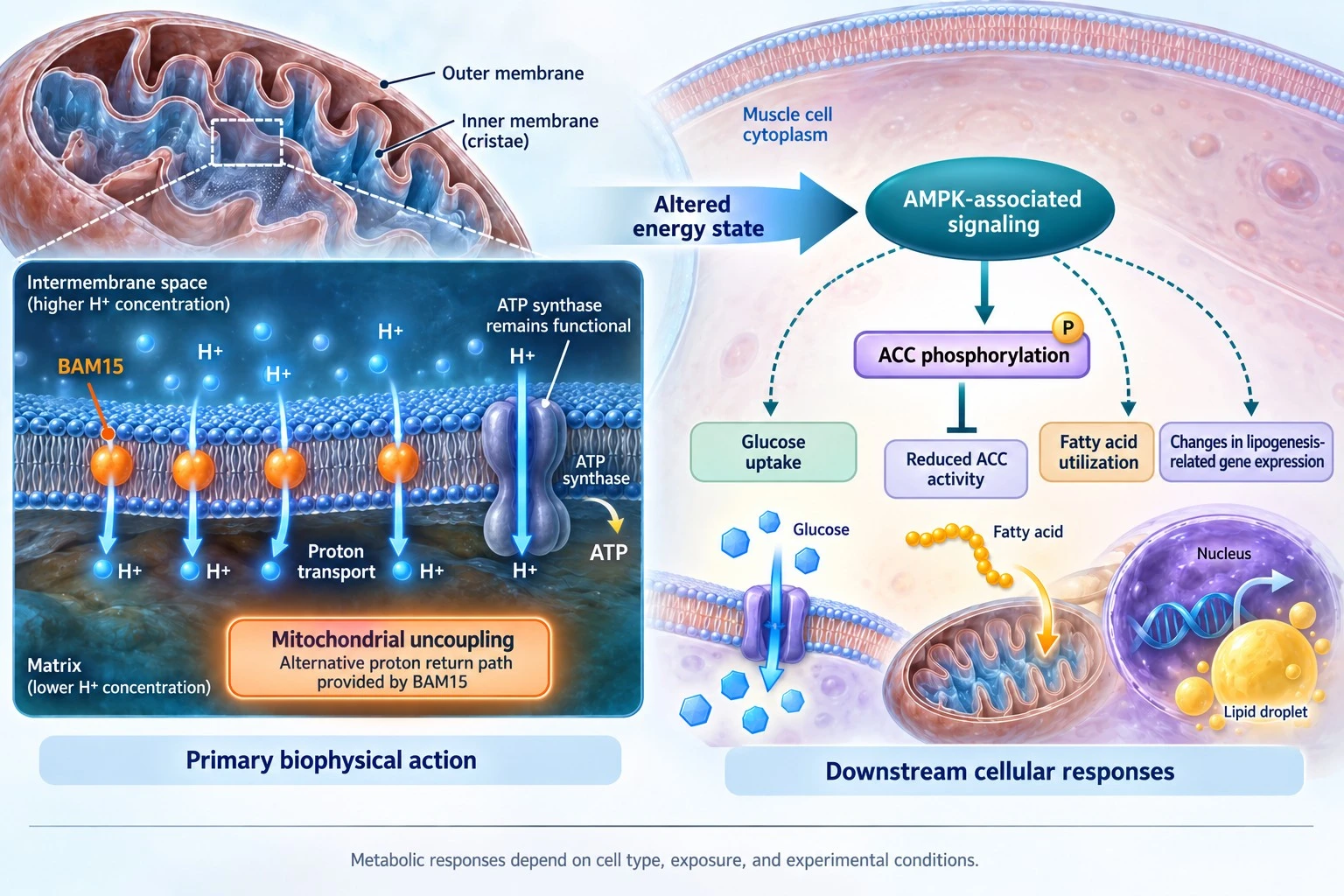
BAM15 can be used to investigate how altered energy efficiency influences glucose uptake, fatty acid utilization, and metabolic adaptation.
An original study published in EMBO Molecular Medicine reported sustained changes in respiration and nutrient utilization in cellular models, including muscle cells. Functional experiments supported an important role for AMPK in maintaining certain metabolic responses. The study also examined AMPK–ACC-associated regulation and changes in lipogenesis-related gene expression.
Two mechanistic levels should be distinguished:
- Primary biophysical action: proton transport and mitochondrial uncoupling.
- Downstream cellular responses: energy sensing, signaling changes, and metabolic remodeling.
Animal Metabolic Models
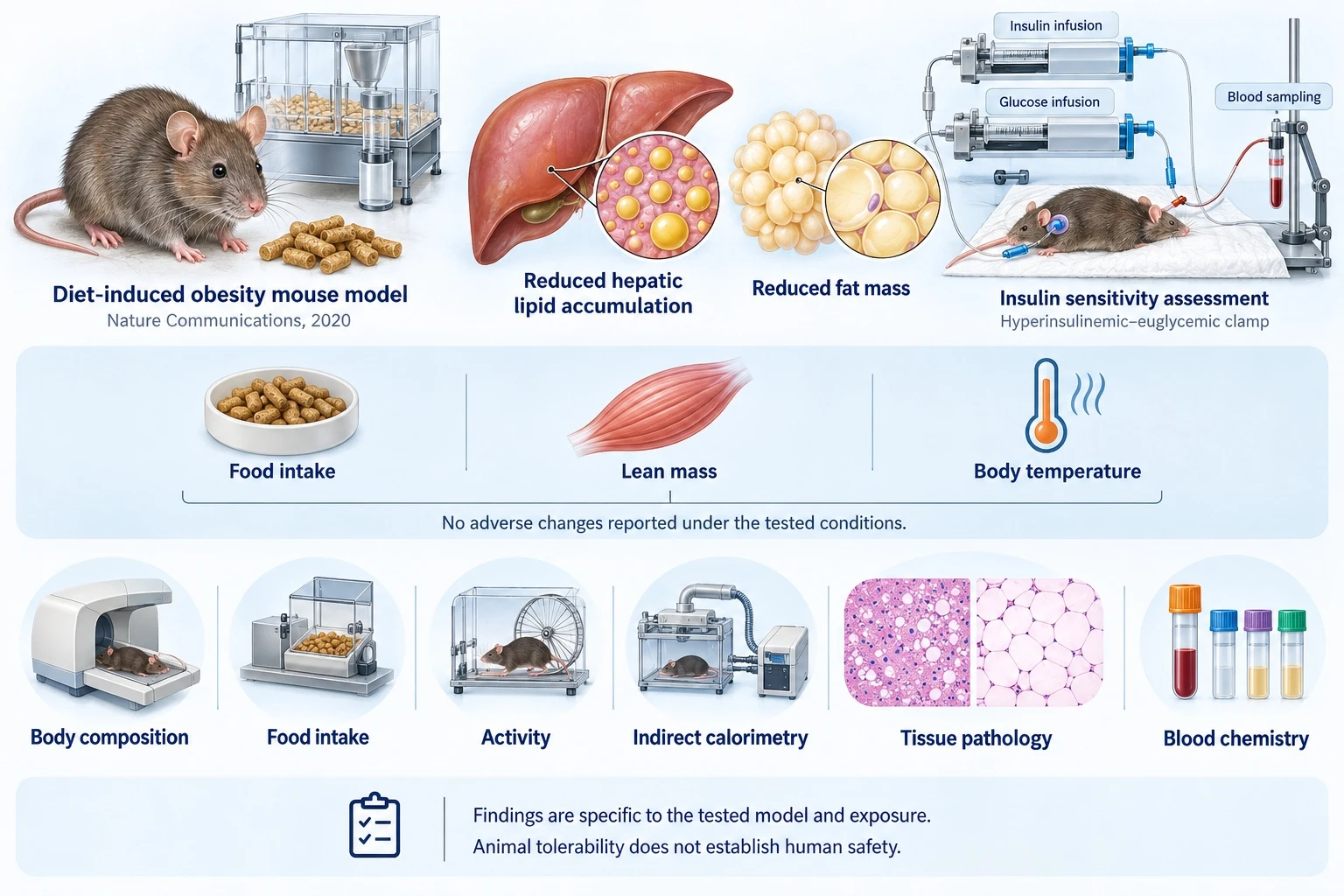
A 2020 study published in Nature Communications investigated BAM15 in mice with diet-induced obesity. The researchers reported reduced fat mass and hepatic lipid accumulation, together with changes in insulin sensitivity assessed using methods including hyperinsulinemic–euglycemic clamps. Under the tested conditions, food intake, lean mass, and body temperature were not adversely affected.
These findings support BAM15 as a tool for studying relationships among energy expenditure, tissue lipid burden, and insulin responsiveness. They do not establish that:
- All animal models will respond similarly.
- Body temperature remains unaffected under every exposure condition.
- Animal tolerability predicts human safety.
- Reduced body weight alone demonstrates improved metabolic health.
A comprehensive investigation should combine body composition, food intake, activity, indirect calorimetry, tissue pathology, and blood chemistry measurements.
Oxidative Stress Research
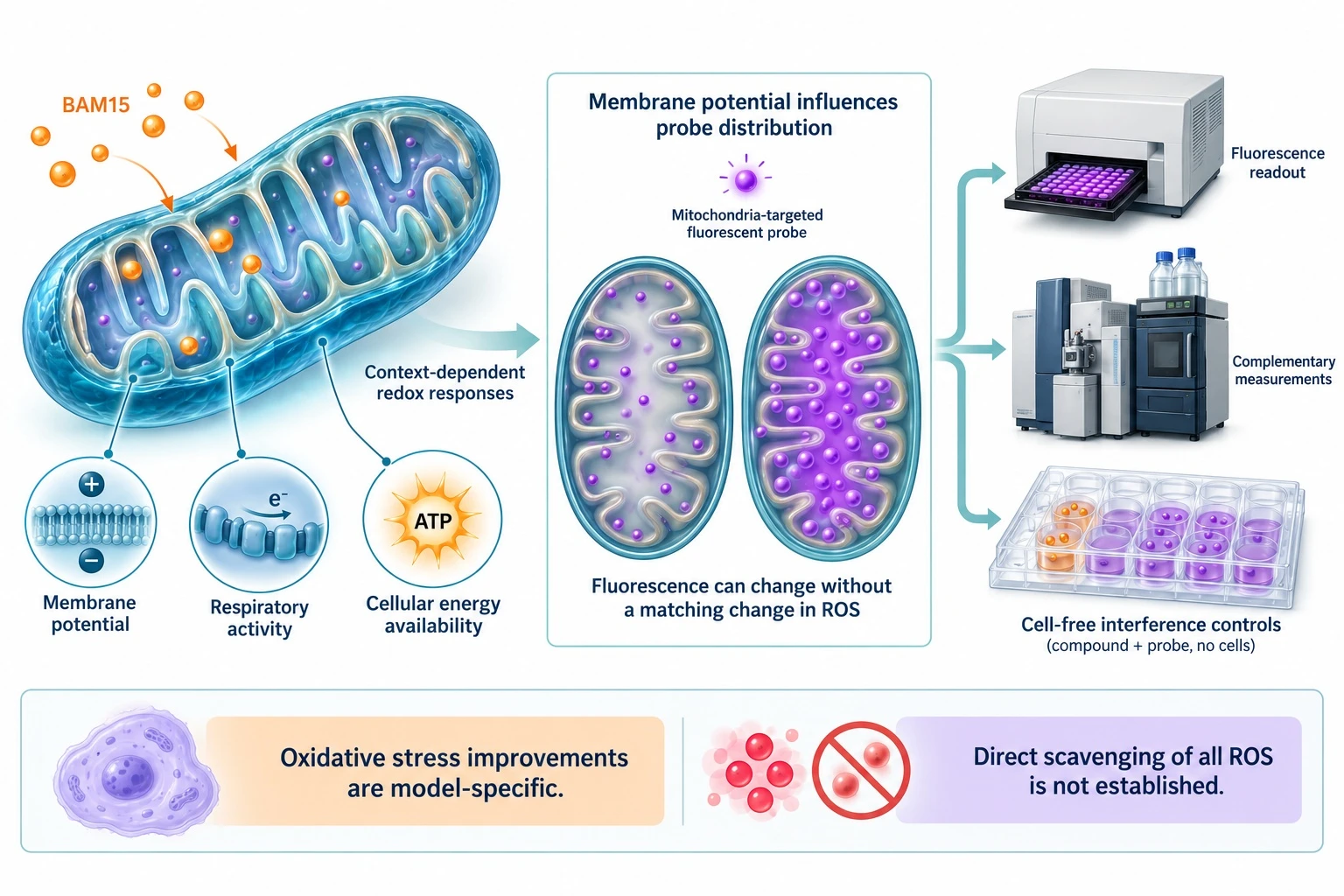
The effects of BAM15 on redox biology should be interpreted in the context of mitochondrial membrane potential, respiratory activity, and cellular energy availability.
The mouse study described above reported improvements in oxidative stress-related measurements. These findings represent responses within a defined experimental model and do not demonstrate that BAM15 directly scavenges all types of reactive oxygen species.
Changes in mitochondrial membrane potential can influence the distribution of some mitochondria-targeted fluorescent probes. Consequently, fluorescence changes should be verified using complementary methods, with appropriate cell-free controls to assess compound–probe interference.
FAQ
What is BAM15 peptide used for?
BAM15 is not a peptide; it is a synthetic small-molecule chemical compound rather than an amino acid chain.
Does BAM15 really work?
BAM15 works effectively in animal studies (mostly mice), but it has not been proven safe or effective in humans.
Is BAM15 legal?
BAM15 is not approved by governmental health authorities for human therapeutic use and is banned in sports.
Does BAM15 burn fat?
Yes, BAM15 burns fat in laboratory and animal studies.
If you are looking for a high-quality BAM15 Powder manufacturer with whom you can establish a long-term, stable partnership, then Shaanxi Medibridge Biotech Co., Ltd. would be your best business partner. Don't hesitate to contact us at hi@medibridgeapi.com.
Hot Tags: bam15 powder, China bam15 powder manufacturers, suppliers, factory