


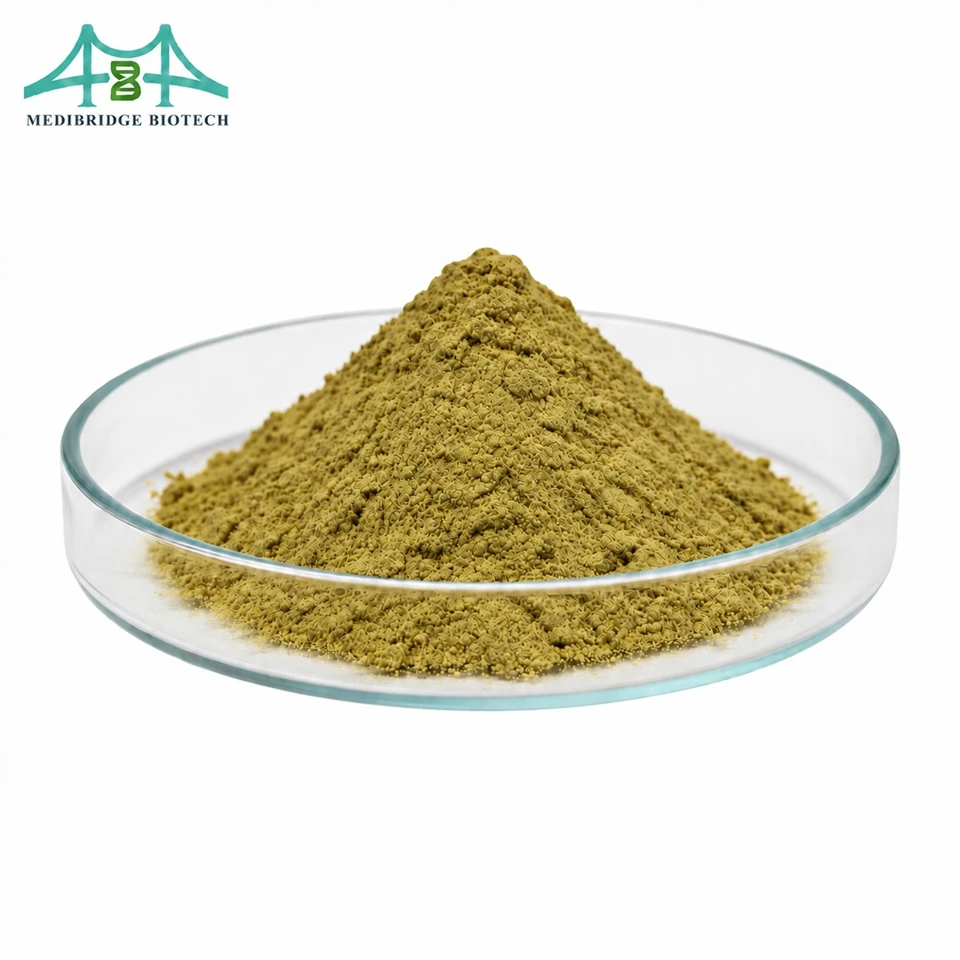


Tapinarof Powder also called Benvitimod powder and WBI 1001 powder. This novel medication is mainly used to treat inflammatory skin conditions including psoriasis and eczema. It is a non-steroidal anti-inflammatory drug that regulates the skin's inflammatory and immune responses. The mechanism of action includes reducing skin inflammation, inhibiting abnormal keratinization, and regulating immune cell activity. Clinical trials have shown that it significantly reduces skin inflammation symptoms such as psoriasis and eczema and is relatively safe. It has attracted attention because of its ability to reduce side effects compared with traditional corticosteroids. Although It shows promise in treating skin conditions, further clinical studies are needed to confirm its long-term efficacy and safety.
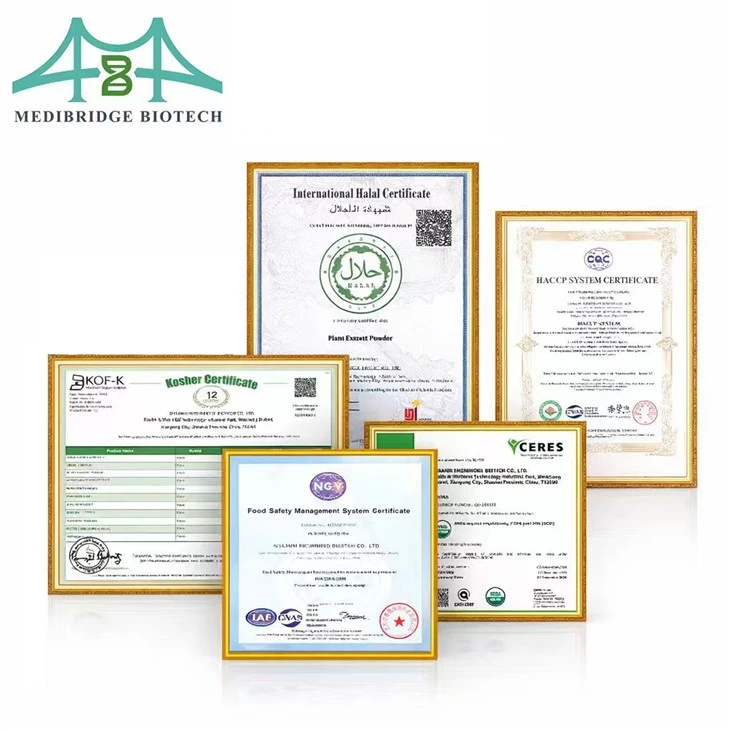
Shaanxi Medibridge Biotech Co., Ltd. focuses on the supply of pharmaceutical raw materials and research-use compounds. We support customers with stable quality, clear specification communication, flexible packaging options, and document-related support for different project stages.
COA
|
|
||
|
Product Name |
CAS Number |
Batch Number |
|
Tapinarof Powder |
79338-84-4 |
MB2608251245 |
|
Manufacturer Date |
Analysis Date |
Expiry Date |
|
2026/8/25 |
2026/8/26 |
2028/8/25 |
|
Sample Qty Base |
Packing |
Test Method |
|
800GS |
15GS/bottle |
HPLC |
|
|
||
|
Item |
Standard |
Results |
|
Appearance |
Light brown powder |
Conforms |
|
Identification |
Conform to the standard |
Conforms |
|
Purity |
≥99% |
99.90% |
|
1 H NMR Spectrum |
Consistent with structure |
Conforms |
|
LCMS |
Consistent with structure |
Conforms |
|
Conclusion |
The batch conforms to the IN-HOUSE standard |
|
|
|
||


AhR Activation and Transcriptional Regulation
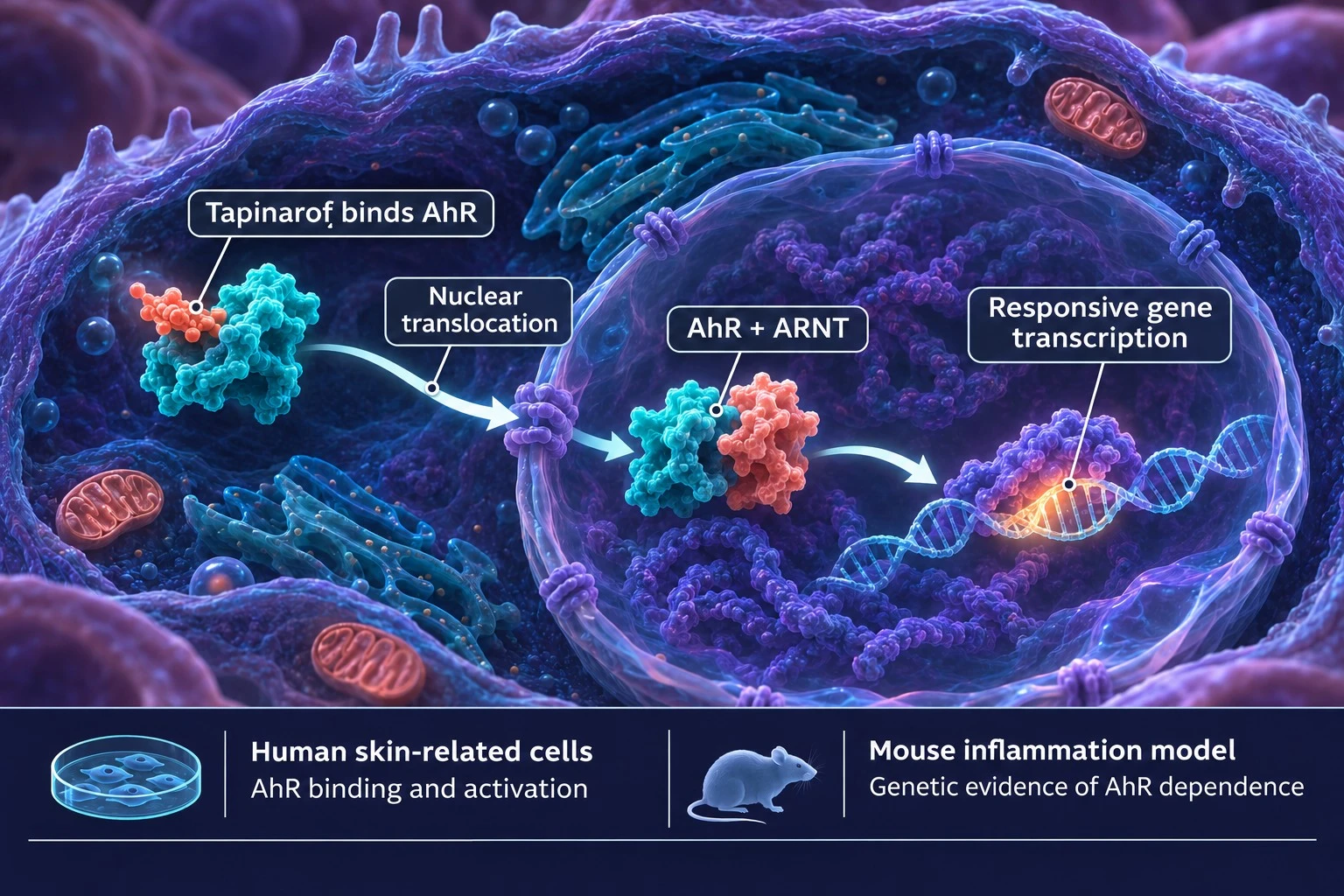
Tapinarof is an agonist of the aryl hydrocarbon receptor (AhR), a ligand-regulated transcription factor.
The conventional signaling framework can be summarized as:
Tapinarof–AhR interaction → receptor activation and nuclear translocation → interaction with ARNT → regulation of responsive genes → altered cellular function.
A 2017 original study demonstrated that tapinarof binds and activates AhR in multiple cellular systems, including human skin-related cells. Genetic experiments also established AhR dependence in a specific mouse model of skin inflammation.
Cytokine Responses and Receptor Dependence

Tapinarof research examines interactions between immune responses and skin biology. Original work demonstrated modulation of proinflammatory cytokine expression in stimulated peripheral blood CD4⁺ T cells and ex vivo human skin.
Reduced cytokine concentrations do not demonstrate that tapinarof directly binds or neutralizes those cytokines. Cell number, viability, and stimulation conditions should be assessed together.
Claims of AhR dependence are strengthened by combining genetic interventions with pharmacological controls, rather than relying on a single inhibitor.
Keratinocyte Differentiation and Barrier Proteins
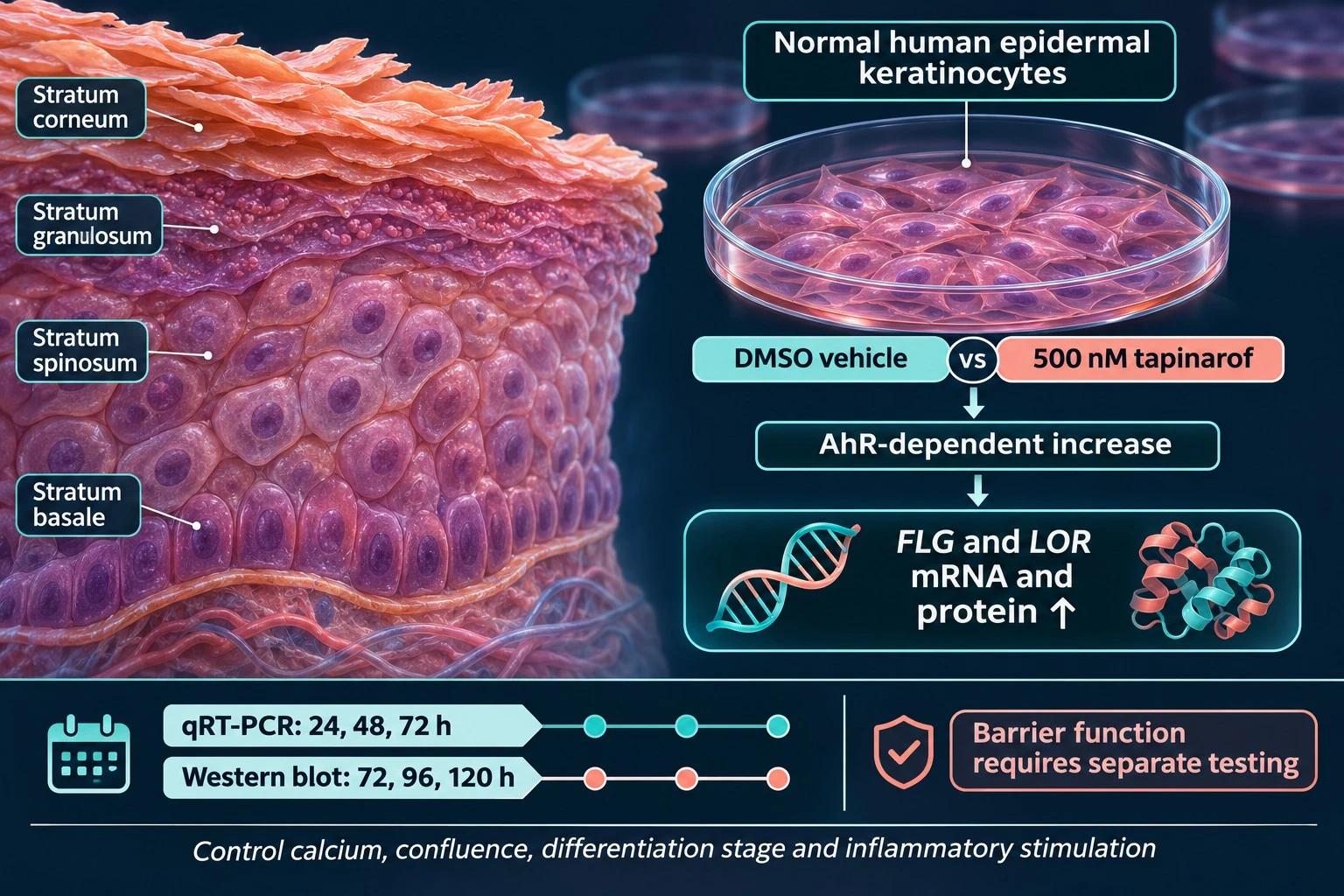
Tapinarof is useful for investigating epidermal keratinocyte differentiation. An original study in normal human epidermal keratinocytes demonstrated AhR-dependent increases in filaggrin (FLG) and loricrin (LOR) mRNA and protein expression.
However, increased barrier-protein expression and improved tissue-barrier function represent different levels of evidence.
Calcium concentration, cell confluence, differentiation stage, and inflammatory stimulation require careful control because they can independently influence keratinocyte responses.
The Contribution of IL-24
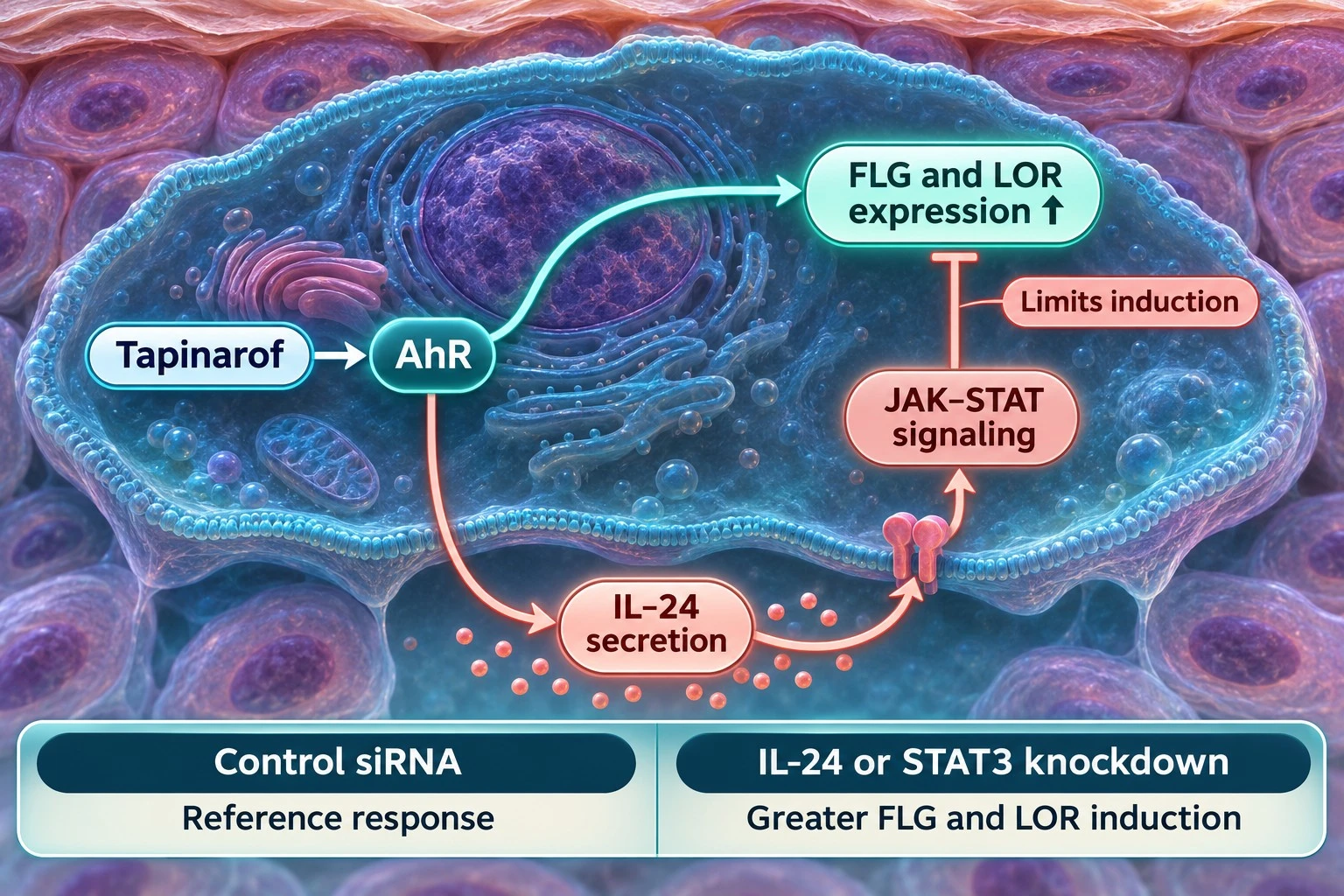
Tapinarof-associated regulation of epidermal differentiation includes feedback mechanisms.
An original keratinocyte study found that tapinarof increased FLG and LOR expression while also inducing IL-24 secretion. IL-24 activated JAK–STAT signaling associated with reduced expression of these differentiation proteins, providing a counteracting regulatory pathway.
The research framework therefore includes:
AhR-associated promotion of differentiation + cytokine-mediated feedback regulation.
Oxidative Stress and NRF2-Associated Responses
Tapinarof has been investigated for interactions between AhR signaling and NRF2-associated antioxidant responses.
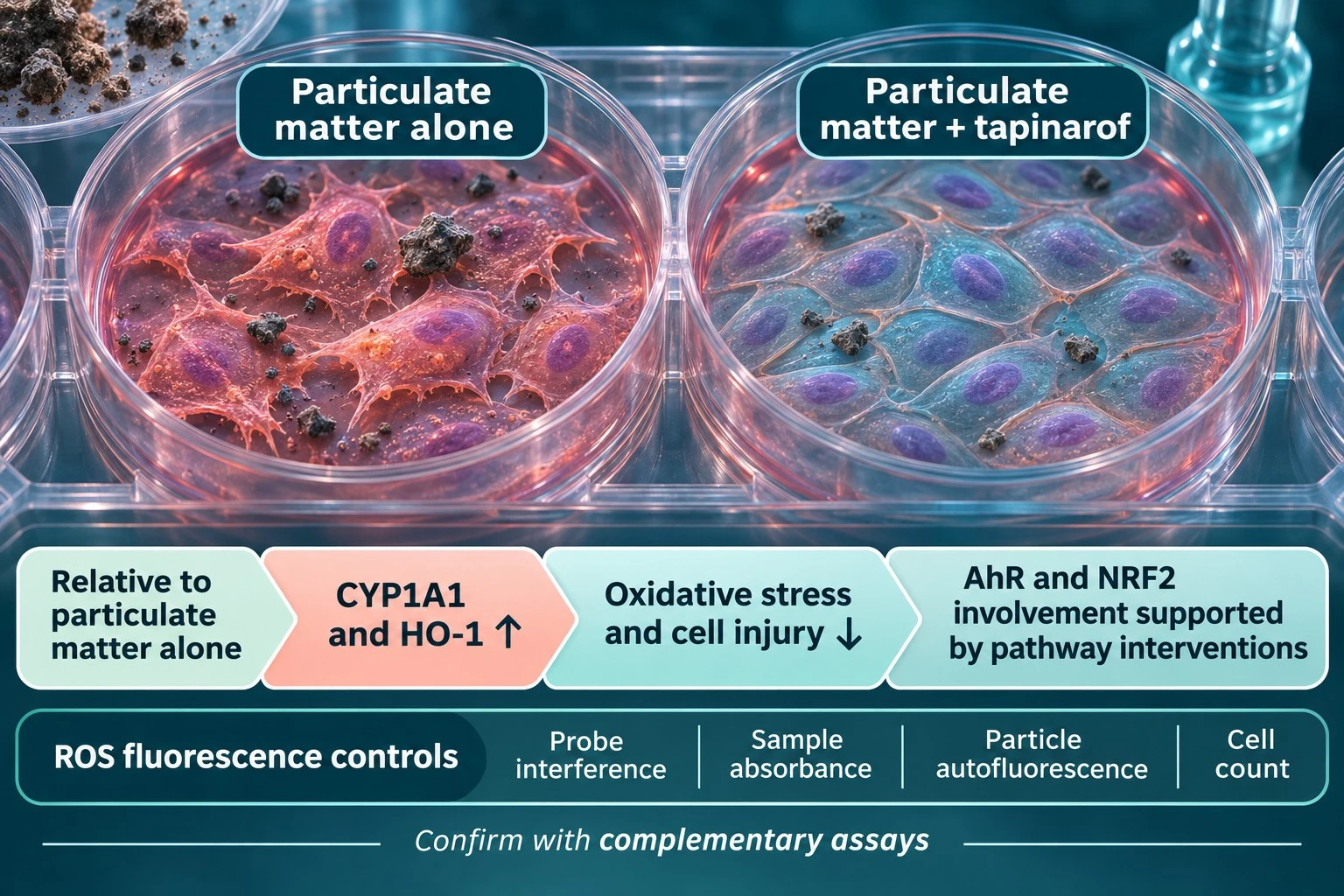
An original particulate-matter exposure study in human keratinocytes reported changes in CYP1A1 and HO-1 expression, together with reduced oxidative stress and cellular injury under the tested conditions. Pathway-intervention experiments supported the involvement of AhR and NRF2.
Lower ROS-associated fluorescence alone does not establish improved cellular antioxidant capacity. Probe interference, sample absorbance, particulate fluorescence, and cell-number differences should be excluded using appropriate controls and complementary measurements.
Biocompatibility and Appropriate Research Positioning

Tapinarof research should evaluate target-related activity alongside cellular and tissue tolerability. Depending on the model, relevant endpoints include viability, proliferation, membrane integrity, tissue morphology, and barrier function.
AhR activation should be interpreted within the experimental context. Different ligands, concentrations, exposure durations, and tissues can produce different biological responses.
FAQ
What is tapinarof used for?
Tapinarof is a prescription, steroid-free topical cream (sold as VTAMA) used to treat inflammatory skin conditions.
What are the potential side effects of using tapinarof?
The potential side effects of using topical tapinarof (marketed as VTAMA) are generally mild to moderate and most commonly involve localized skin reactions or upper respiratory symptoms.
Is tapinarof approved for psoriasis?
Yes, tapinarof is FDA-approved for the treatment of plaque psoriasis in adults.
Can Vtama cause itching?
Yes, Vtama (tapinarof) can cause itching (pruritus) as a side effect.
If you are looking for a high-quality Tapinarof Powder manufacturer with whom you can establish a long-term, stable partnership, then Shaanxi Medibridge Biotech Co., Ltd. would be your best business partner. Don't hesitate to contact us at hi@medibridgeapi.com.
Hot Tags: tapinarof powder, China tapinarof powder manufacturers, suppliers, factory, cilostazol research compound, omadacycline crystalline powder, prilocaine stabilized powder, Pure Pregabalin Powder, telmisartan blood pressure compound, telmisartan synthesis intermediate


