


A Four-Ring Backbone With One Glucose
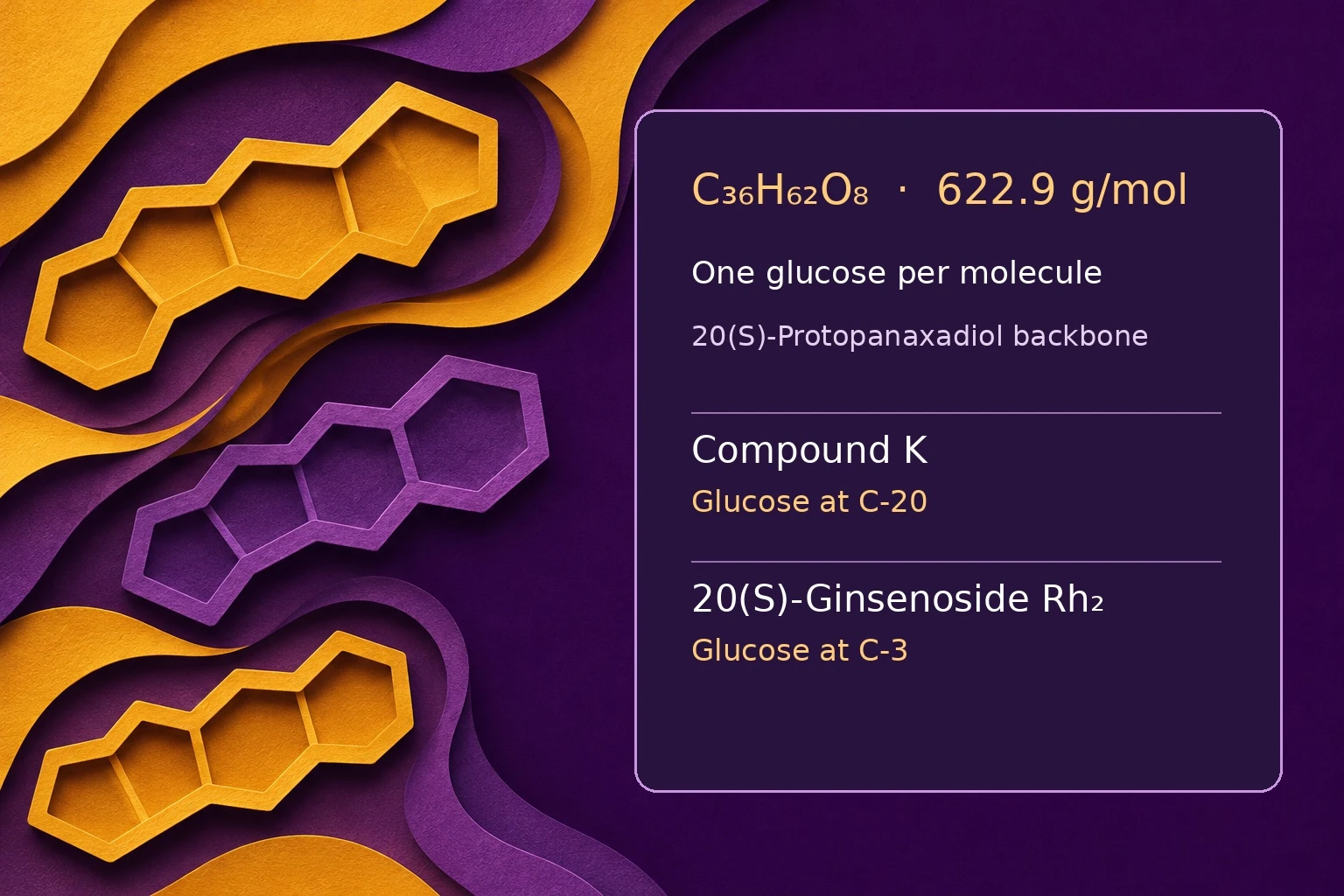
Compound K is 20-O-β-D-glucopyranosyl-20(S)-protopanaxadiol. Its structure combines a four-ring, dammarane-type backbone with one glucose attached at carbon 20. Its molecular formula is C₃₆H₆₂O₈, and its molar mass is approximately 622.9 g/mol. The sugar's position helps distinguish compound K from ginsenoside Rh₂, which carries glucose at carbon 3 on the same 20(S)-protopanaxadiol backbone. These positional isomers have the same molecular formula. Their comparison illustrates why knowing the molecular mass alone leaves the glucose attachment site unresolved and why compound identification often combines chromatography with structural evidence.
How Larger Ginsenosides Lose Their Sugars
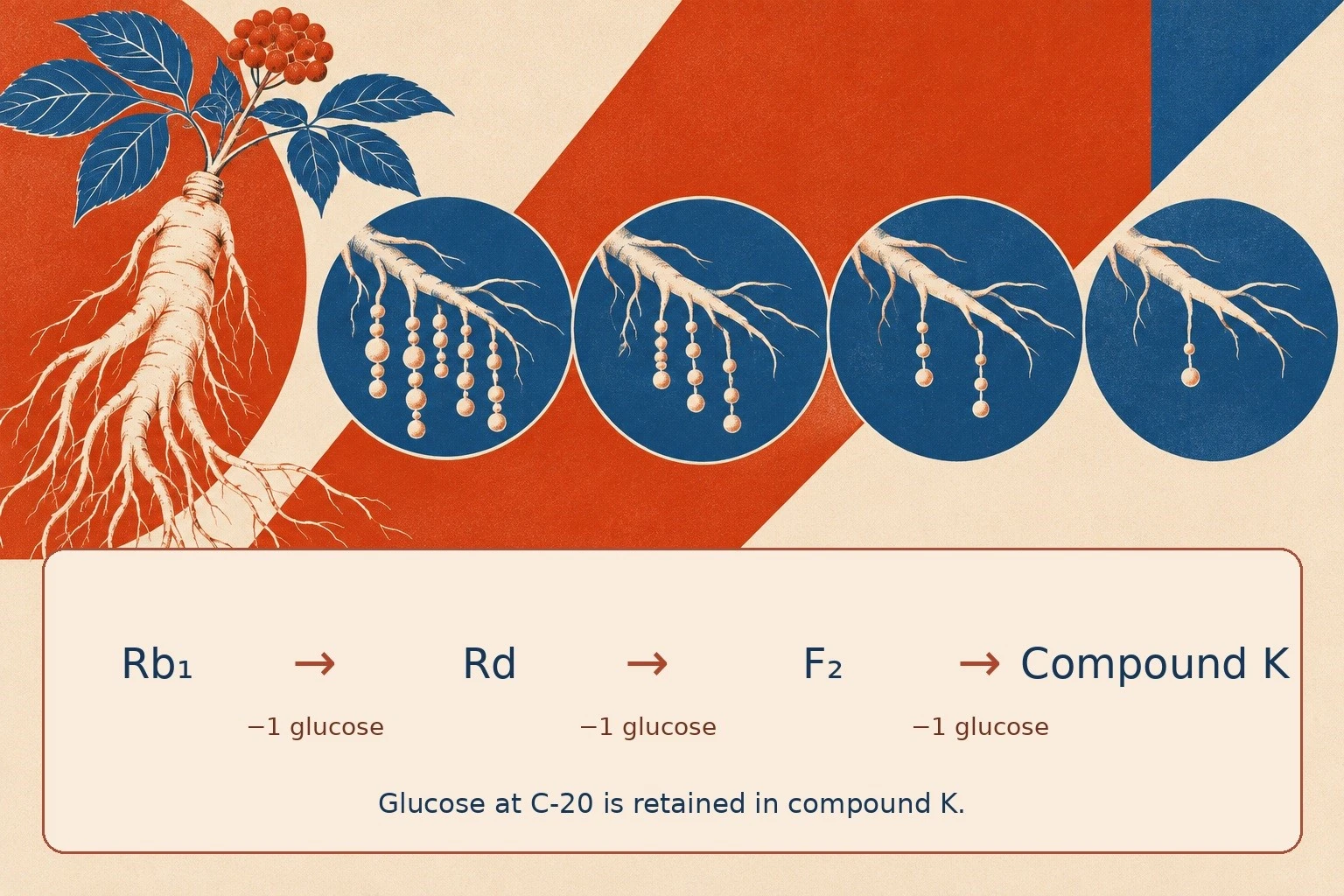
One documented route proceeds from ginsenoside Rb₁ through Rd and F₂ to compound K. Along this route, enzymes remove three glucose units in succession while retaining the glucose at carbon 20. Human gut bacterial incubations have also produced gypenoside intermediates, showing that Rb₁ can enter more than one conversion pathway. A final sample containing compound K gives little information about which route predominated. Sampling the reaction over time helps researchers identify which intermediates appear, how long they persist, and whether their disappearance coincides with compound K formation.
Product Concentration and Conversion Tell Different Stories
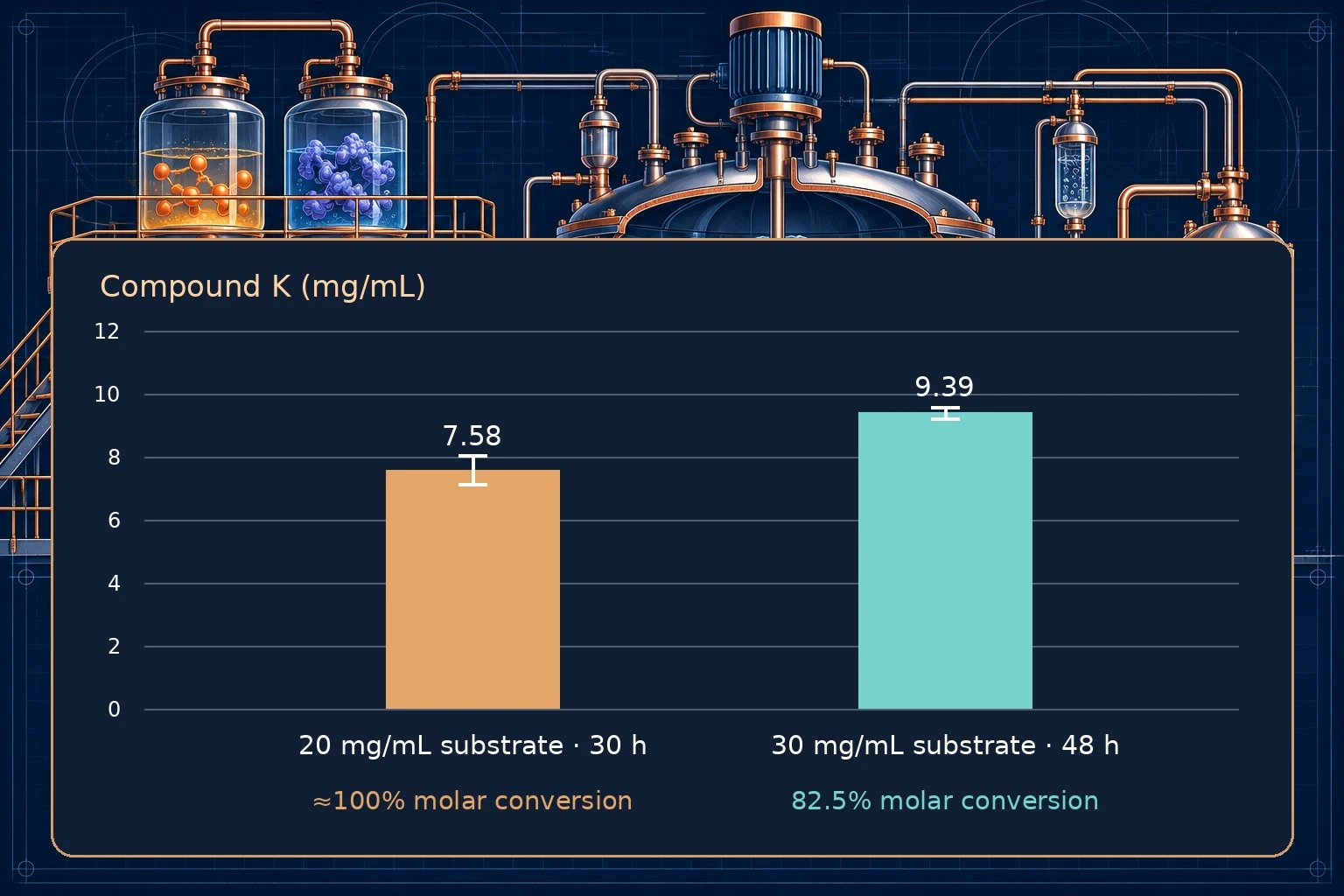
A study using a β-glycosidase from Sulfolobus solfataricus compared several starting concentrations of a ginsenoside substrate mixture. At 20 mg/mL substrate, the reaction produced 7.58 mg/mL compound K after 30 hours, with approximately 100% reported molar conversion. At 30 mg/mL substrate, it produced 9.39 mg/mL after 48 hours, with 82.5% conversion. The second condition gave a higher final product concentration and a lower fraction converted, with a longer reaction time. Reporting all three measurements helps readers compare how much product accumulated, how efficiently the substrate was used, and how long the reaction took.
Gut Microbial Samples Vary in Their Conversion Activity
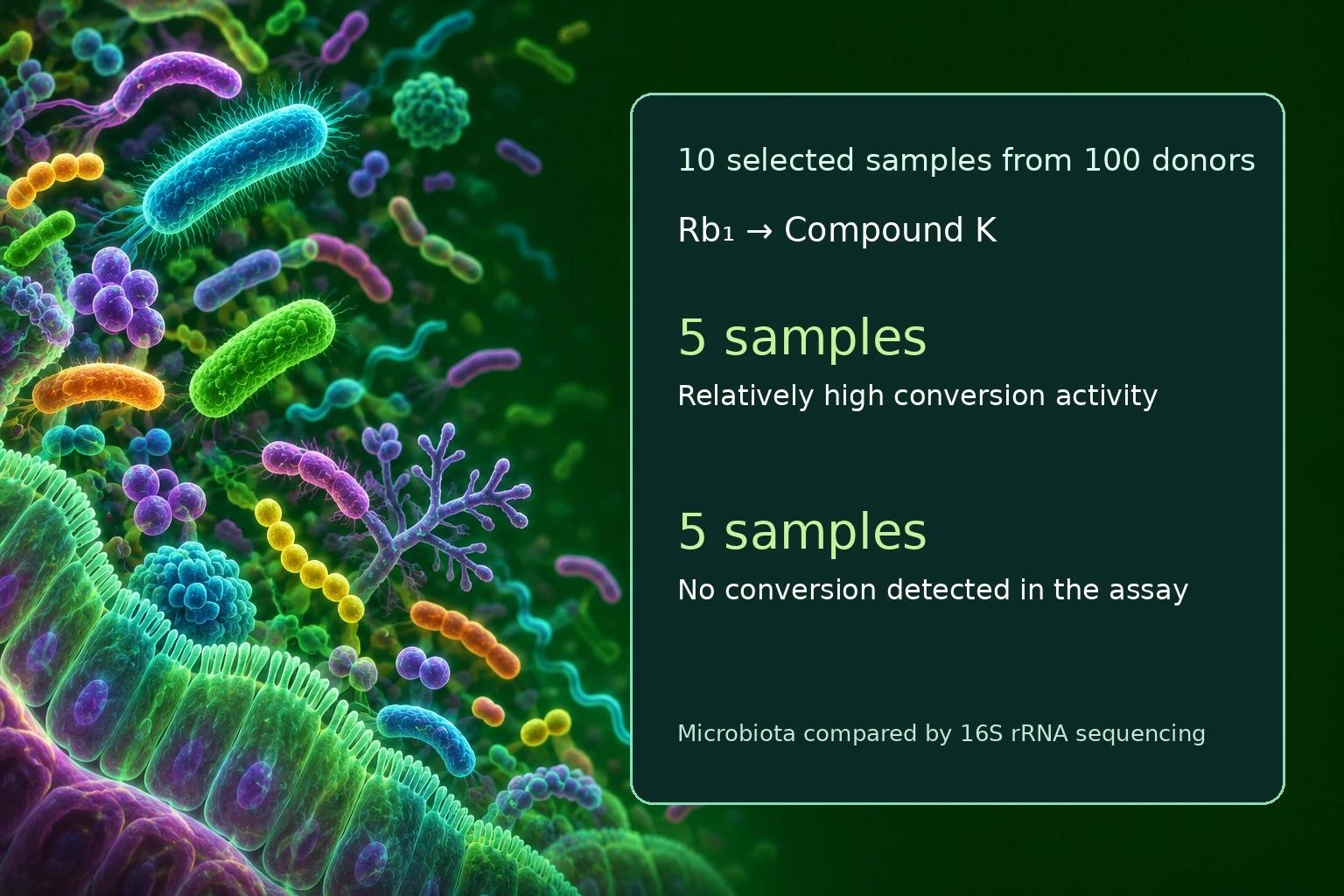
In one laboratory study, researchers selected ten fecal samples from a previously studied pool of 100 people. Five samples showed relatively high activity for converting Rb₁ to compound K, while five showed no detectable conversion in the assay. The researchers then compared the microbial communities in the two groups using 16S rRNA gene sequencing. Because the samples were deliberately selected from opposite ends of the activity range, this comparison describes differences between the selected groups. It provides a starting point for investigating which microbial enzymes contribute to compound K formation.
How Researchers Identify and Quantify Compound K
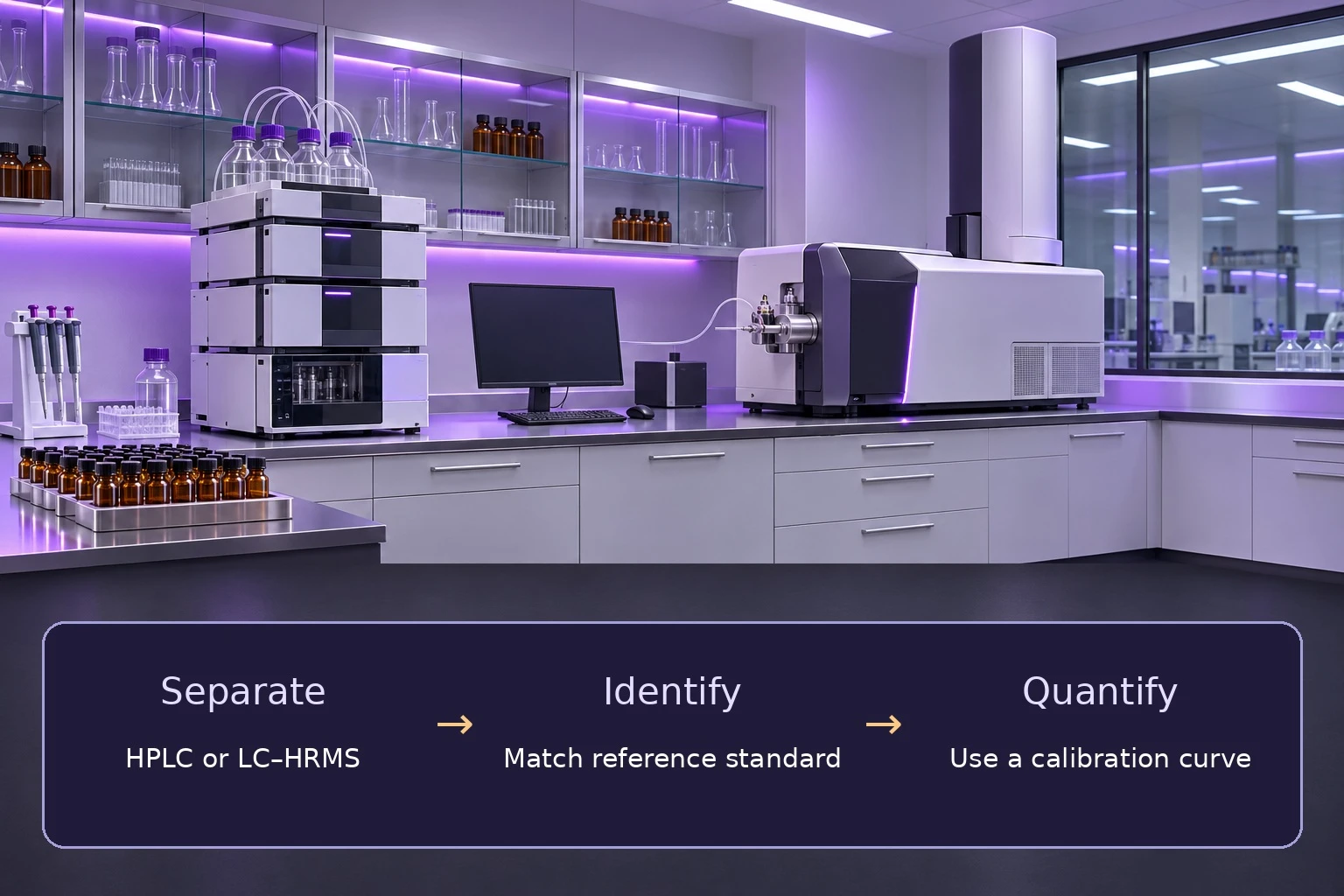
Chromatography separates compound K from its precursors and other reaction products before measurement. Published ginsenoside studies have used HPLC to track compounds during enzyme reactions and liquid chromatography coupled with high-resolution mass spectrometry to examine metabolites in complex samples. For compound-specific quantification, an authentic compound K standard can establish retention time and provide a calibration curve. When positional isomers are possible, chromatographic separation and comparison with appropriate standards strengthen the assignment. Reporting the product concentration alongside the amount of precursor remaining gives a clearer account of how the reaction proceeded.
Shaanxi Medibridge Biotech Co., Ltd. is dedicated to supplying a wide range of research-grade products-including peptides, chemical compounds, and extracts - to laboratories, academic institutions, and biotechnology organizations worldwide. If you are seeking a partner for high-purity raw materials to establish a long-term collaboration, please email hi@medibridgeapi.com.


