


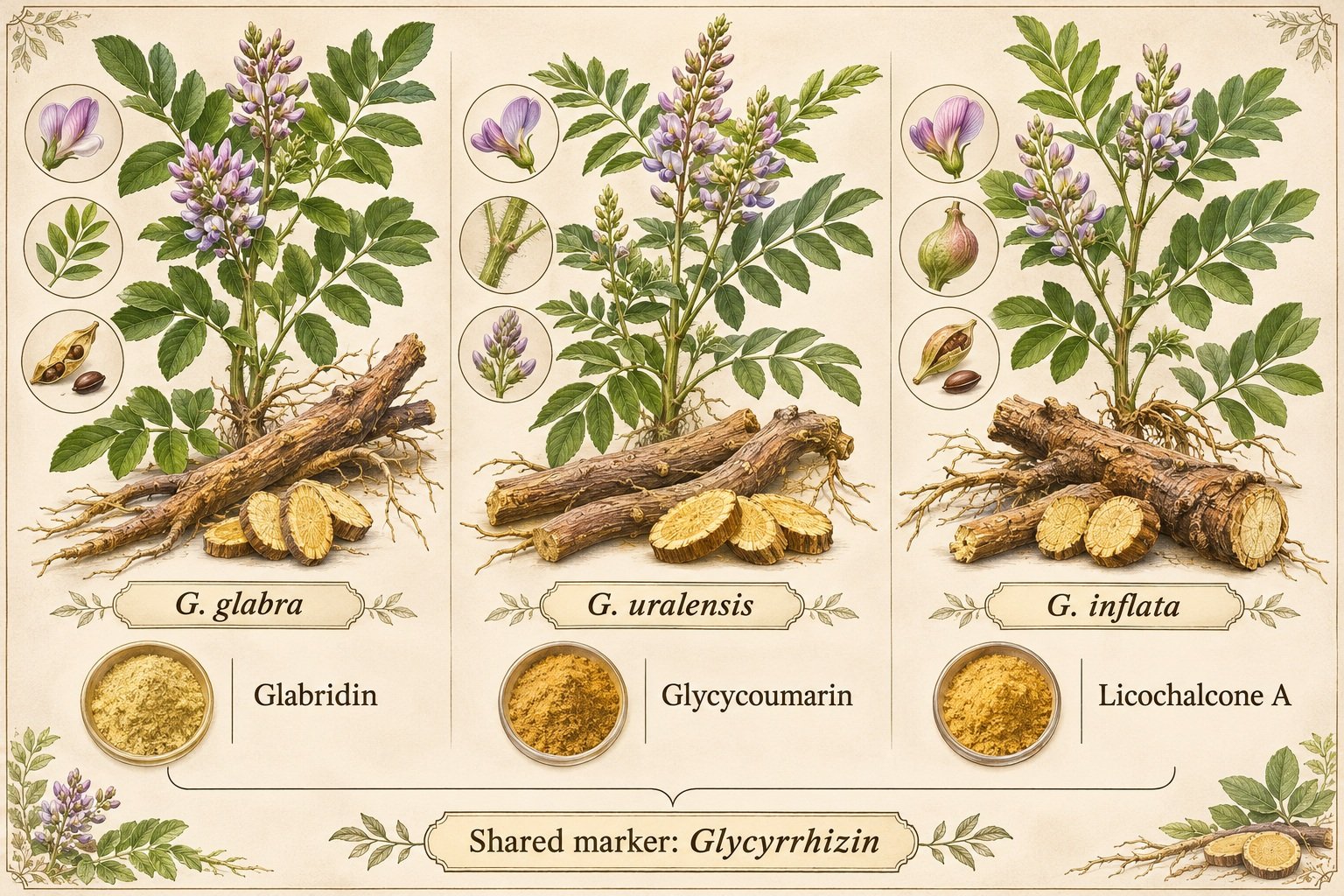
Three Species, Three Chemical Profiles
Commercial licorice extracts commonly come from the roots and underground stems of Glycyrrhiza glabra, G. uralensis, and G. inflata. The three species share compounds such as glycyrrhizin, a triterpenoid saponin that contributes to licorice's characteristic sweetness. Their flavonoid profiles provide more clues about botanical identity. In one comparative study, glabridin helped distinguish G. glabra, licochalcone A characterized G. inflata, and glycycoumarin helped identify G. uralensis. Because processing can change the concentration of individual markers, analysts can compare several compounds together to build a more informative chemical fingerprint.
Solvent Choice Changes What the Powder Contains
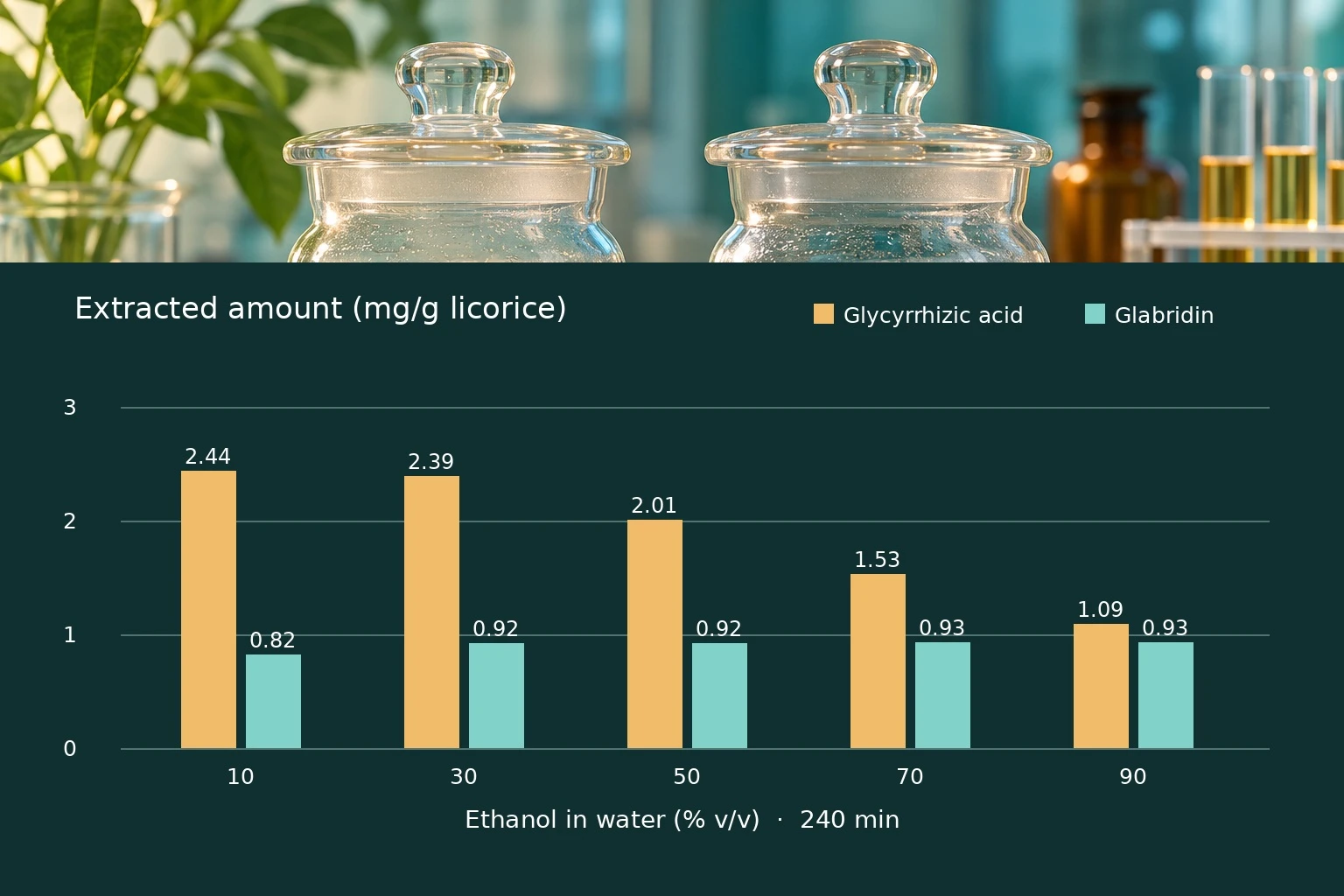
Water and ethanol differ in how readily they dissolve individual licorice constituents. In a comparative extraction study, a mixture of 30% ethanol and 70% water by volume gave the best glycyrrhizic acid recovery under the conditions tested, while glabridin recovery favored a higher ethanol proportion. This distinction matters when comparing powders made from the same root material. A process can yield more total dry extract while recovering less of a particular compound. Reporting both total extract yield and the recovery of each target compound makes extraction results easier to interpret.
What a Chromatographic Fingerprint Can Reveal
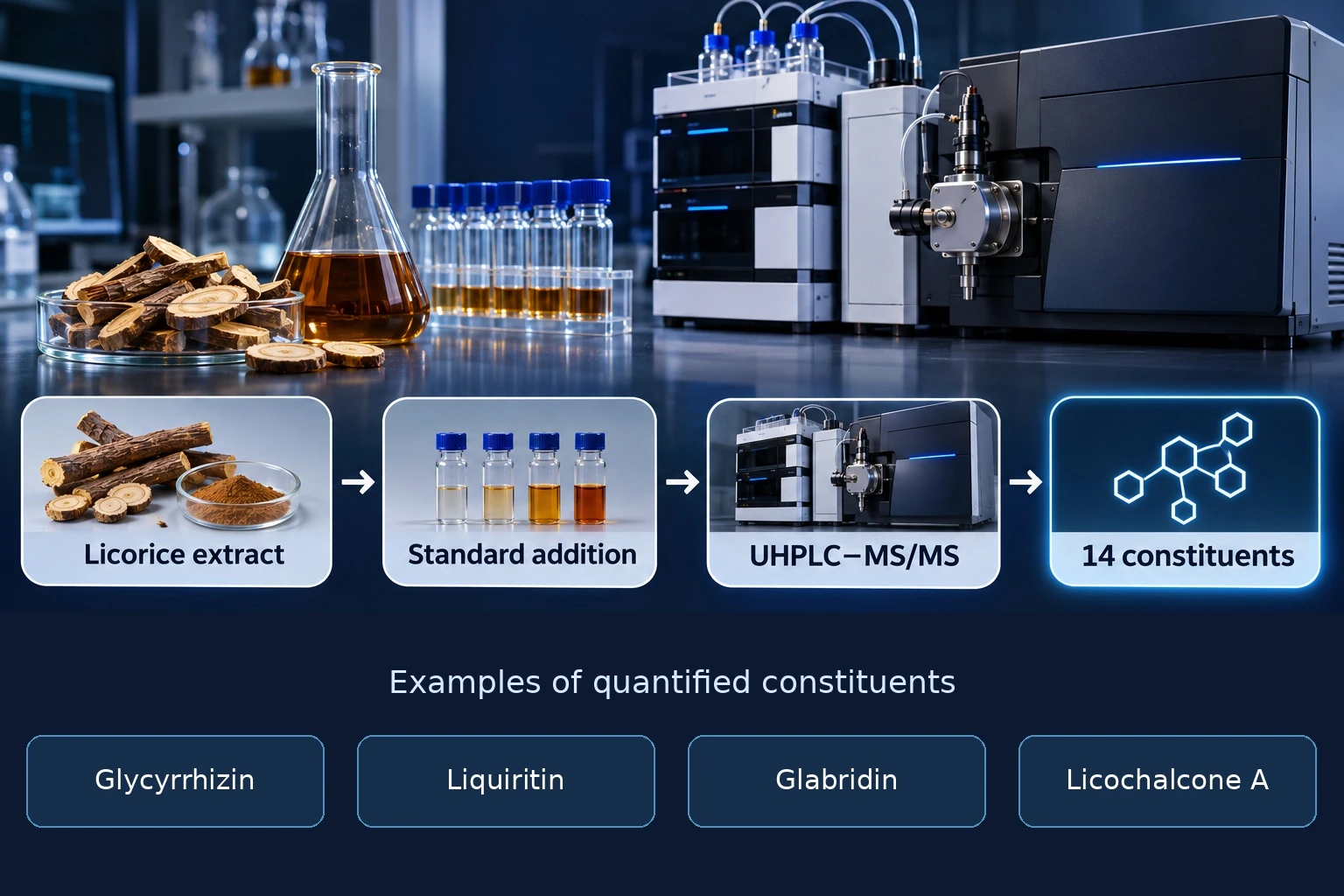
A published UHPLC–MS/MS method quantified 14 licorice constituents in a single analysis, including glycyrrhizin, liquiritin, glabridin, and licochalcone A. The researchers used standard addition, which involves adding known amounts of reference compounds to portions of the sample. This helps account for other extract constituents that can suppress or enhance the mass spectrometer's signal. A single marker assay answers how much of one compound is present. A multi-compound fingerprint can also show whether two batches with the same glycyrrhizin content differ in their flavonoid composition.
Spray Drying Shapes How the Powder Behaves
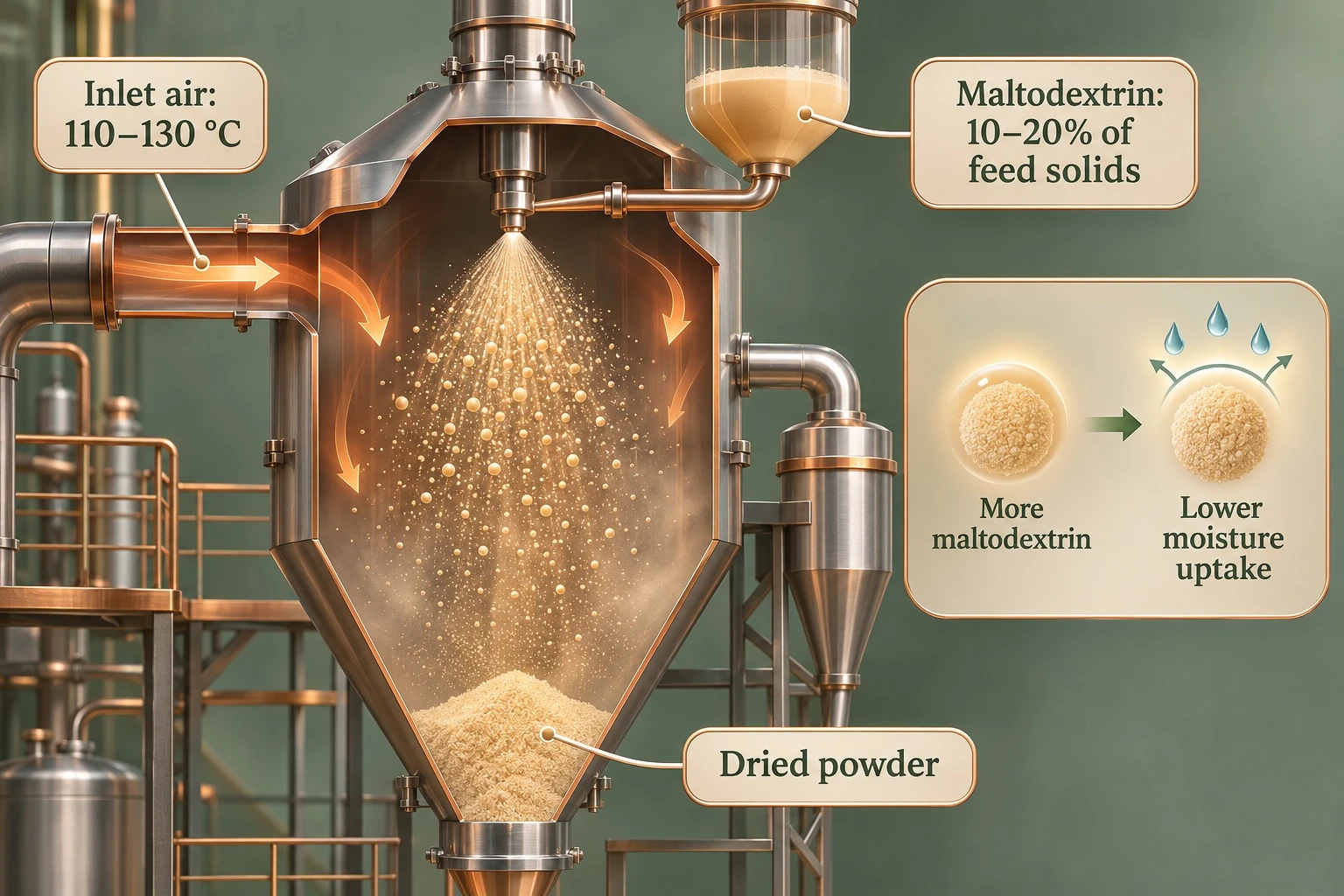
Turning a licorice concentrate into a dry powder changes how it handles and disperses. In a study of G. glabra extract, researchers tested spray-dryer inlet temperatures of 110–130 °C and maltodextrin levels of 10–20% of total feed solids. Increasing the maltodextrin proportion reduced moisture content and moisture uptake under the tested conditions. Carrier content also matters when interpreting chemical assays. Two powders made from the same extract can contain different amounts of a marker per gram of finished powder simply because their proportions of extract solids and carrier differ.
Glabridin in Laboratory Pigment Research
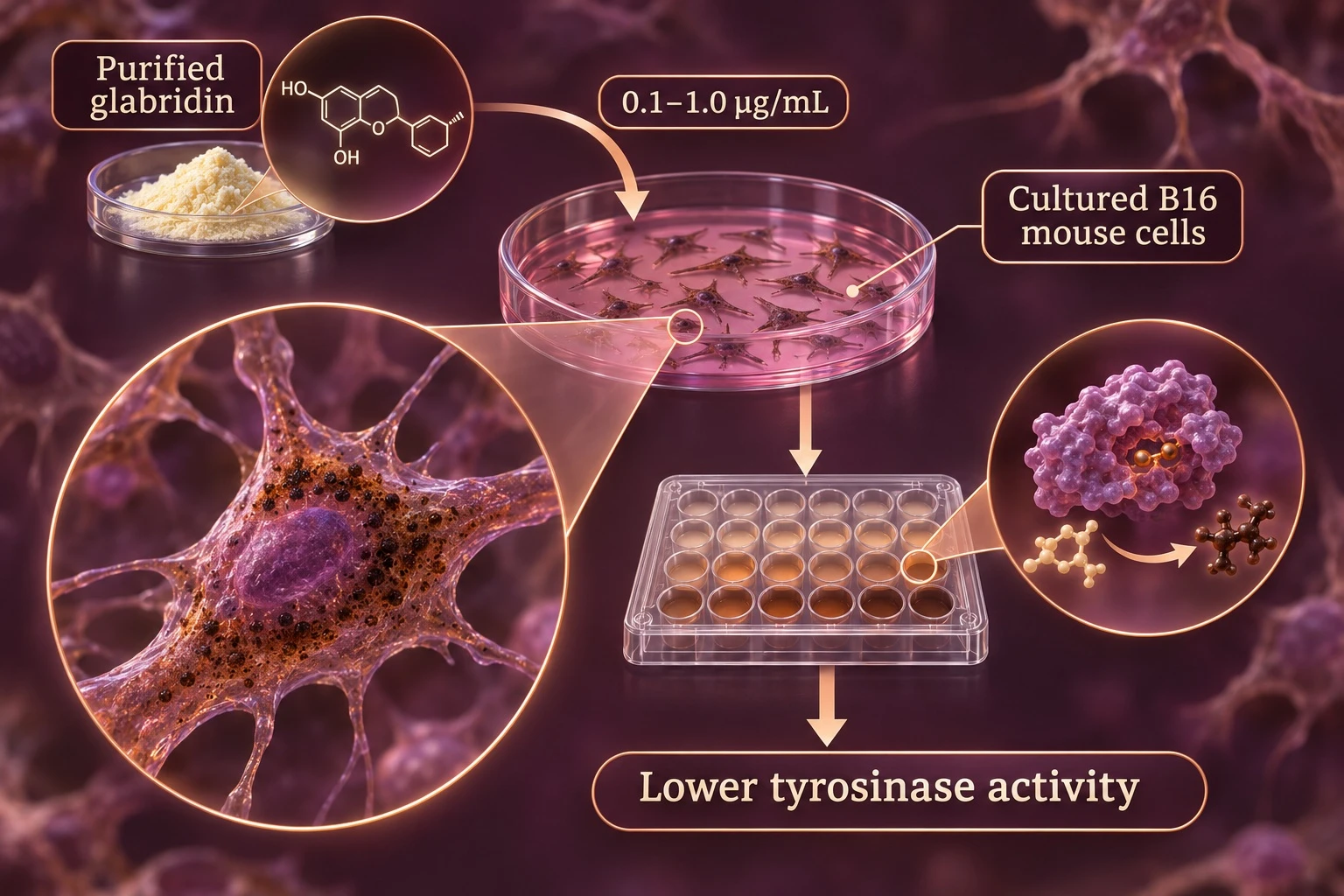
Glabridin has been studied in experimental models of melanin formation. In one study, purified glabridin reduced tyrosinase activity in cultured B16 mouse melanoma cells at concentrations of 0.1–1.0 µg/mL. Tyrosinase catalyzes early reactions in melanin synthesis, so its activity provides one way to study how a compound influences pigment formation. To compare that result with a whole-extract experiment, researchers need to know the powder's glabridin content and whether it disperses in the assay medium. Those details help relate the mass of powder added to the concentration of glabridin the cells encounter.
Shaanxi Medibridge Biotech Co., Ltd. is dedicated to supplying a wide range of research-grade products-including peptides, chemical compounds, and extracts - to laboratories, academic institutions, and biotechnology organizations worldwide. If you are seeking a partner for high-purity raw materials to establish a long-term collaboration, please email hi@medibridgeapi.com.


