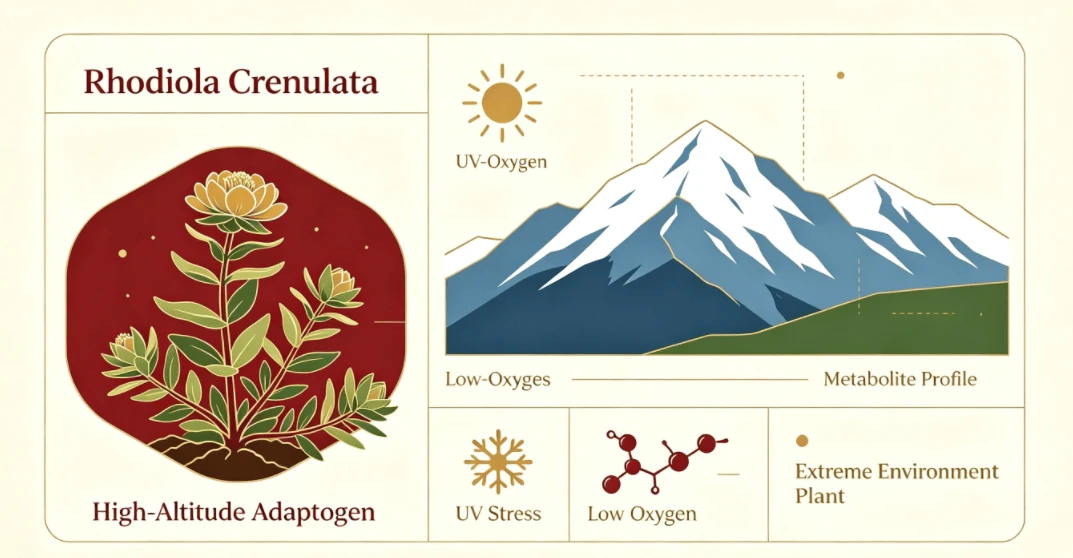
Unique Botanical Background – High-Altitude Adaptogen with Modern Relevance
*Rhodiola crenulata* grows in cold, high-altitude environments where it adapts to intense UV radiation, low oxygen and extreme temperature shifts. These natural defences translate into a rich profile of secondary metabolites, including salidroside and rosavin. As consumer interest in adaptogenic ingredients rises, this plant has become a promising candidate for standardized cell-based raw material development.
Cell Raw Material Technology – From Wild Resource to Controlled Biomass
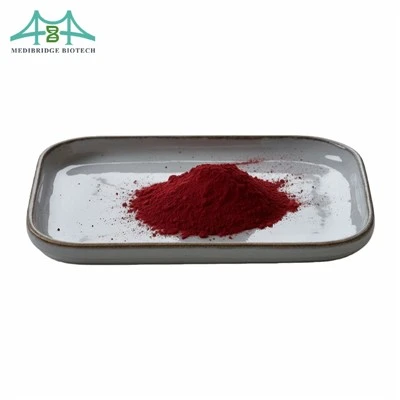
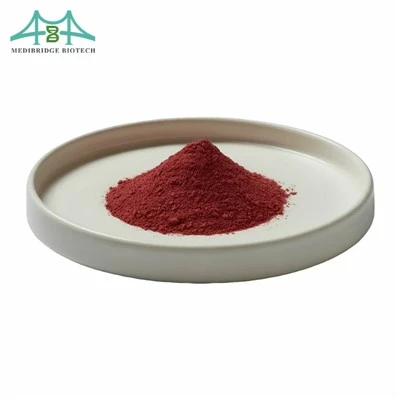
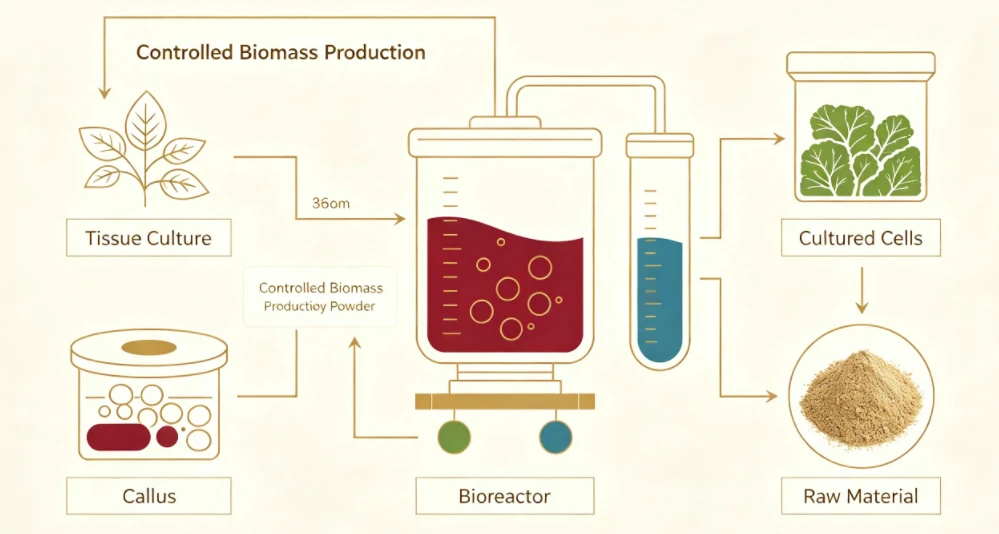
Cell raw material production begins with plant tissue culture, allowing controlled propagation under laboratory conditions. This approach avoids large-scale wild harvesting and seasonal supply limitations. Cultured cells can be maintained in bioreactors or controlled cultivation systems, enabling manufacturers to produce biomass with consistent quality, reduced environmental impact and lower dependence on natural ecosystem variability.
Bioactive Potential – Antioxidant, Adaptogenic and Skin-Barrier Support
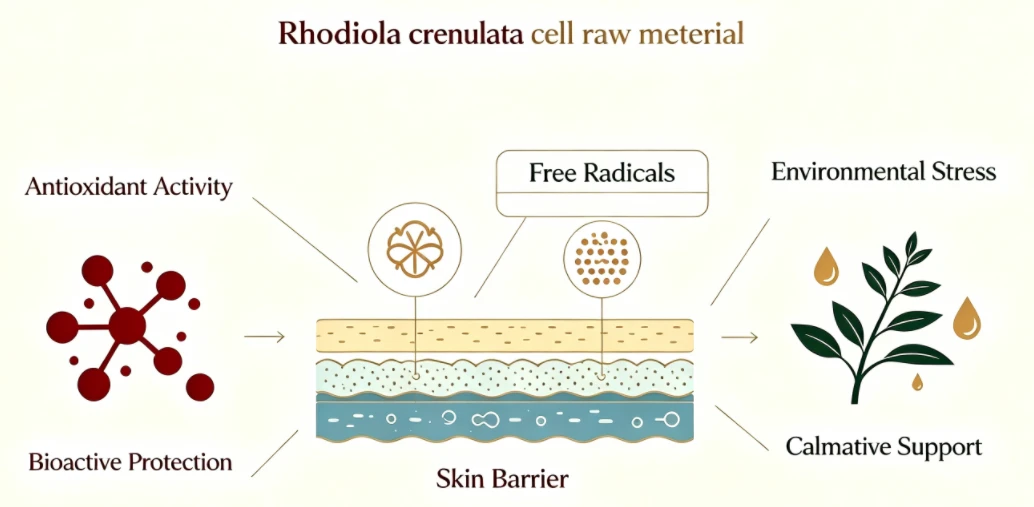
*Rhodiola crenulata* cell raw material is typically evaluated for antioxidant, anti-stress and skin-protective activities. Its constituents may help neutralize free radicals, support the skin's response to environmental stressors and contribute to barrier maintenance. In personal care, it is positioned as a gentle, plant-derived active suitable for calmative, anti-pollution and daily protection formulations.
Sustainability Advantage – Reducing Wild Harvesting Pressure
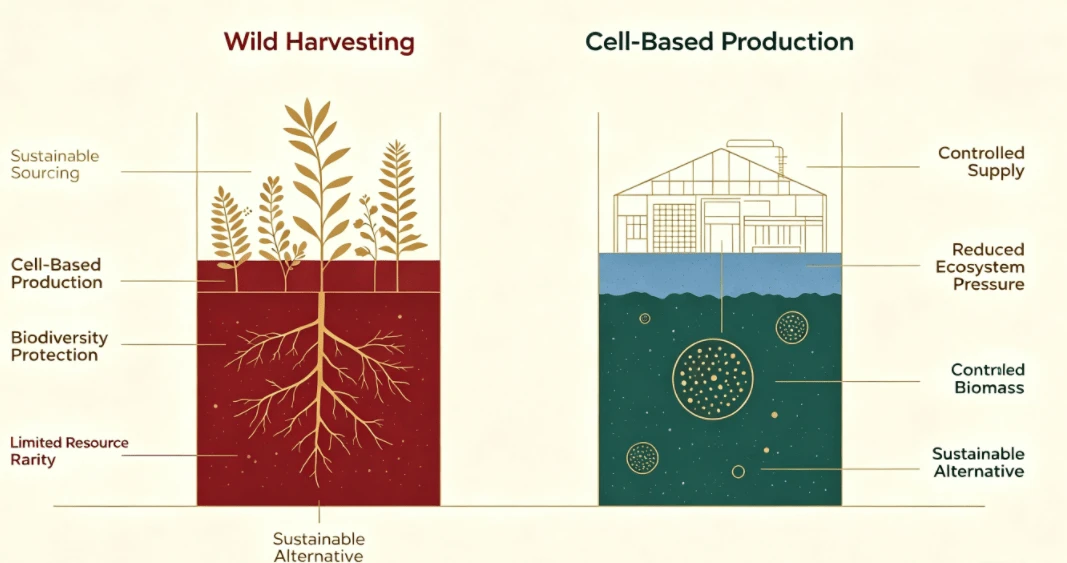
Overexploitation of wild botanical resources remains a risk for high-value plant ingredients. Cell-based production provides an alternative supply model that preserves natural populations while maintaining industrial scalability. By extracting bioactive compounds from cultured biomass, manufacturers can offer traceable, low-waste ingredients aligned with biodiversity protection and responsible sourcing strategies.
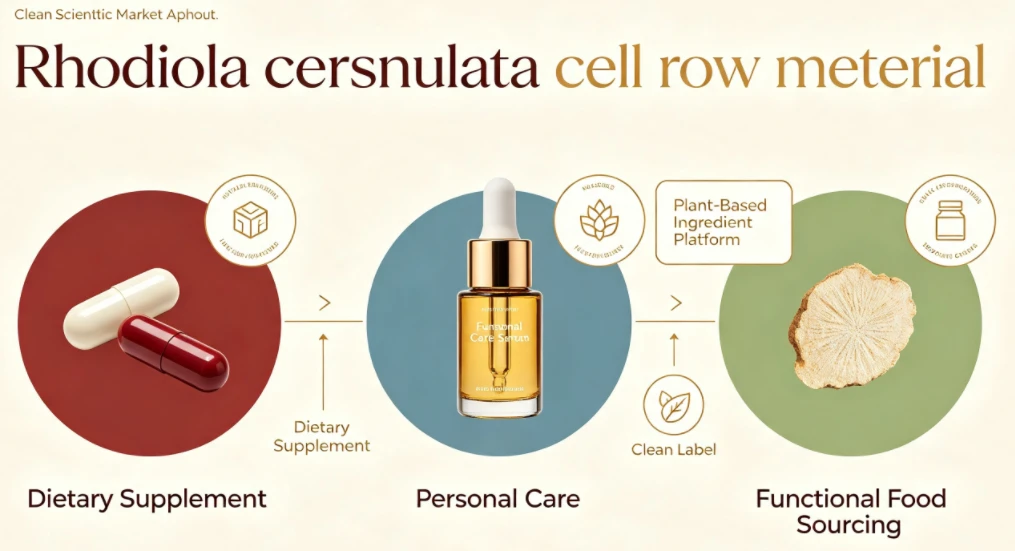
Market Outlook – Positioning in Health, Beauty and Functional Ingredients
The global demand for plant-based, science-backed ingredients continues to grow across supplements, topical care and functional foods. *Rhodiola crenulata* cell raw material fits this trend by combining traditional botanical heritage with modern biotechnology. Its market value lies not only in bioactivity but also in sustainability, standardization and the ability to meet clean-label and responsible sourcing expectations.