Green Biotechnology Solves Supply Constraints of Scarce Flavonoid Molecules
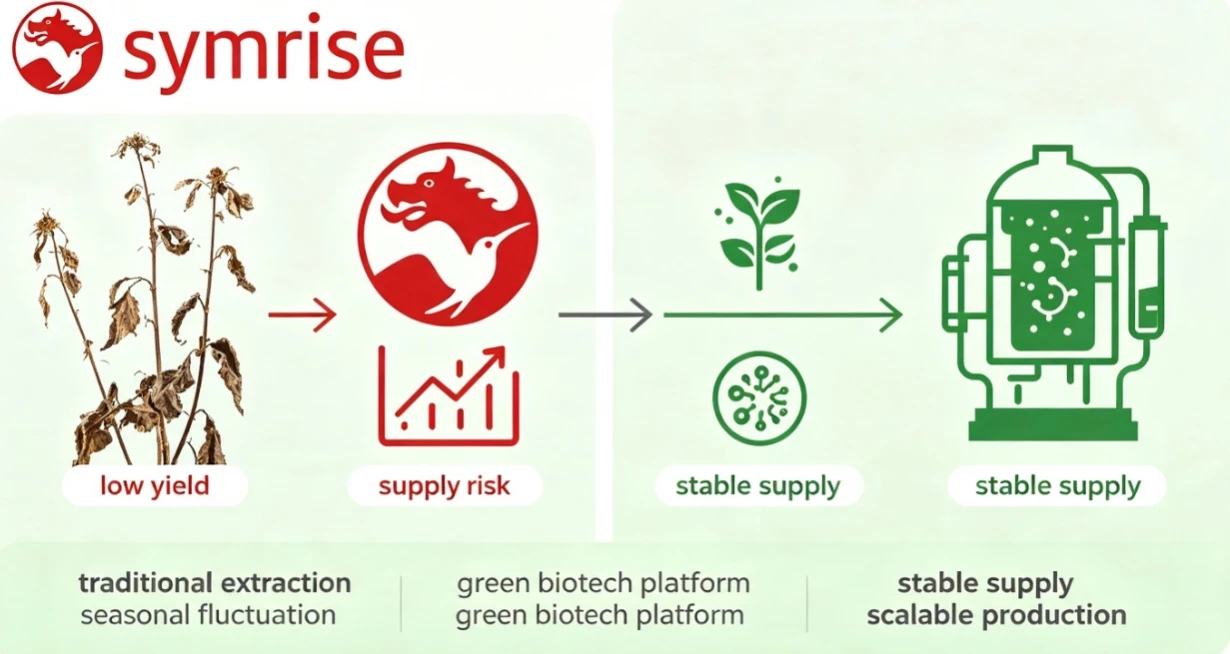
Traditional agricultural extraction of apigenin, luteolin and related flavonoids faces low natural yield, seasonal fluctuation and climate-related supply risks. Aplantex's controlled-biomass green biotech platform generates target molecules without large-scale wild-plant harvesting. This technology delivers consistent batch-to-batch purity and avoids quality variation caused by planting conditions. The collaboration enables scalable production of these high-demand actives for Symrise's global ingredient portfolio, mitigating long-standing sourcing pain-points for formulators.
Multi-Functional Skin-Care Benefits of Apigenin and Luteolin for Modern Formulations
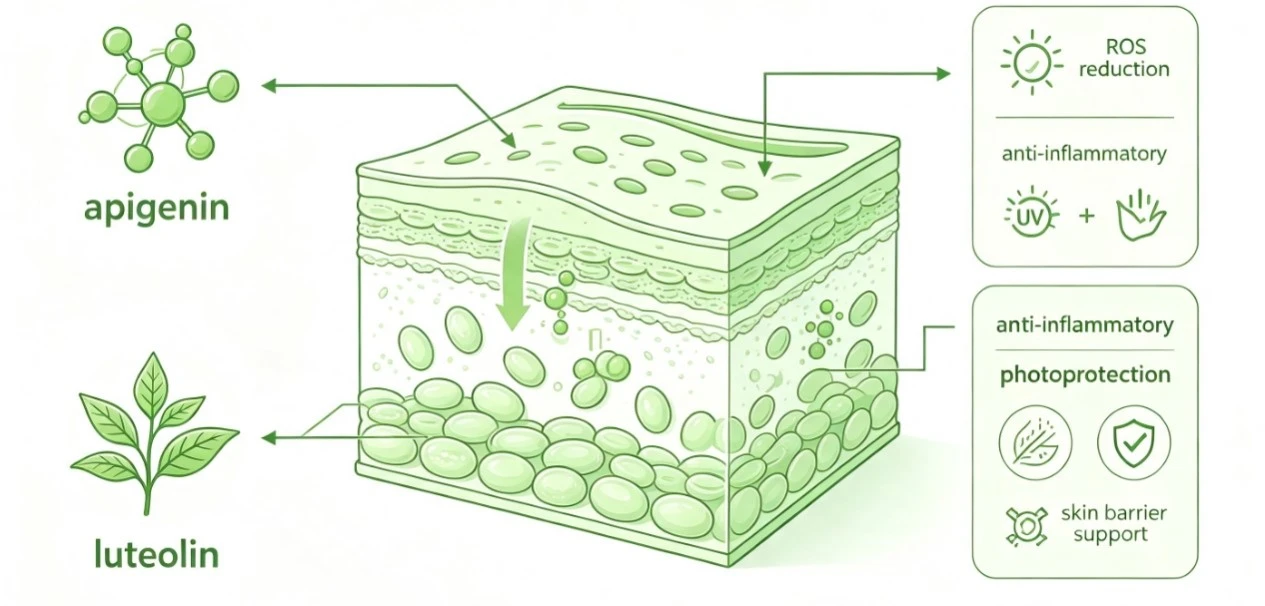
Apigenin and luteolin are well-documented flavonoid actives featuring antioxidant, anti-inflammatory and photoprotective properties. They neutralize excess ROS triggered by UV radiation and urban pollution, meanwhile moderating pro-inflammatory signalling to ease skin irritation and redness. These molecules support anti-photoaging effects and fit well into serums, sun-care adjunct formulas and sensitive-skin repair products. Stable biotech-produced material opens broader application possibilities for clean-beauty product development worldwide.
Strategic Partnership Combines R&D Strength and Global Market Reach
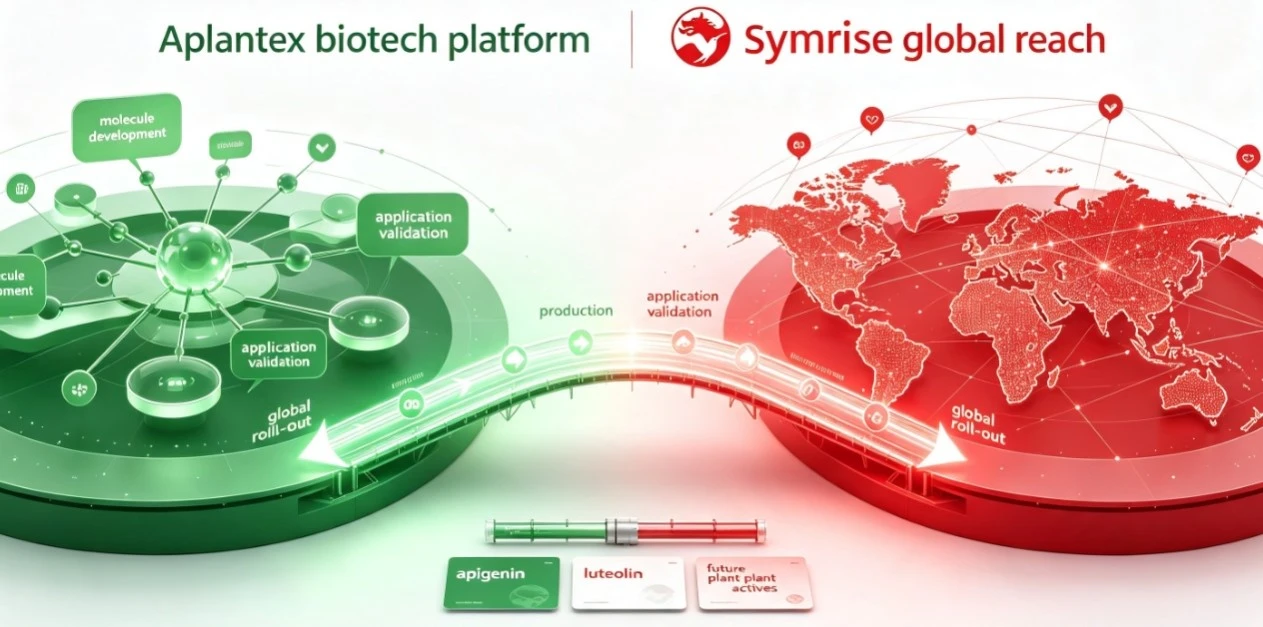
This cooperation integrates Aplantex's cutting-edge biomanufacturing expertise with Symrise's global regulatory, formulation and commercial capabilities. Aplantex completes molecule development and production, while Symrise drives downstream validation, application testing and global market roll-out. Both sides will advance validation milestones for apigenin and luteolin first, and plan to expand the pipeline to more hard-to-source plant-derived molecules in subsequent phases. Such model builds an efficient bridge between biotech innovation and industrial cosmetic ingredient markets.
Industry Implications: Accelerating Shift Toward Sustainable Bio-Based Ingredients
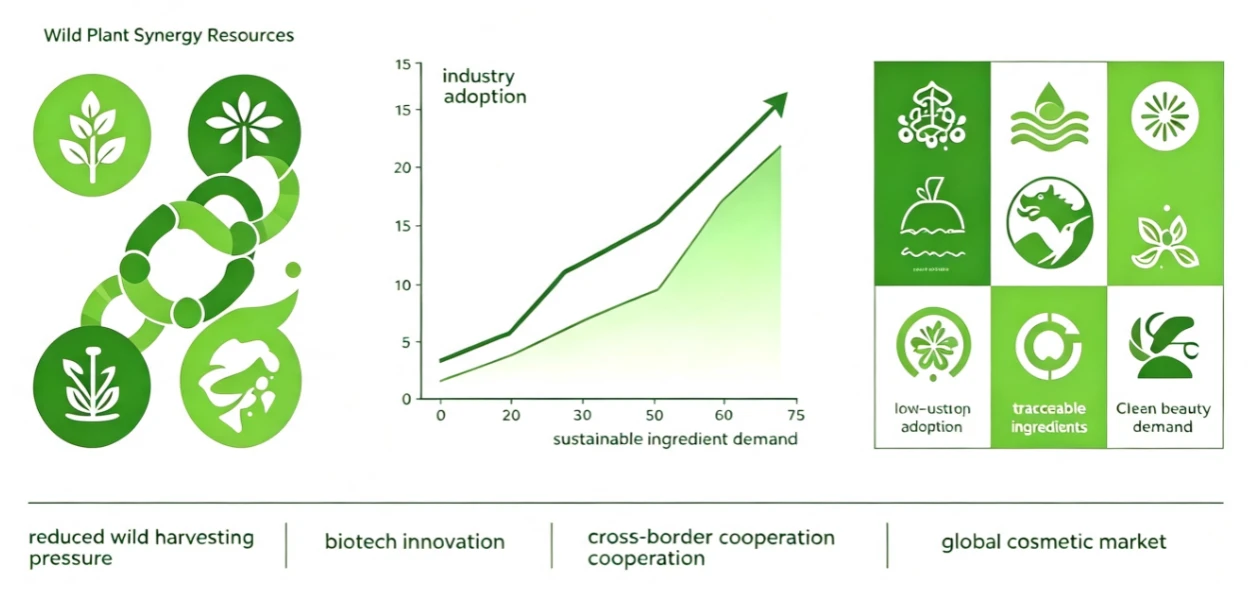
Against the global clean-beauty transition, cosmetic brands increasingly prioritize traceable, low-carbon botanical raw materials. This Symrise-Aplantex alliance sets a representative example for biotech-driven ingredient innovation, reducing pressure on wild plant resources. As more biotech-produced flavonoids become commercially available, formulators gain more reliable natural-active options. Industry stakeholders expect this partnership to inspire further cross-border tech-commercial cooperation within the cosmetic raw-material sector.