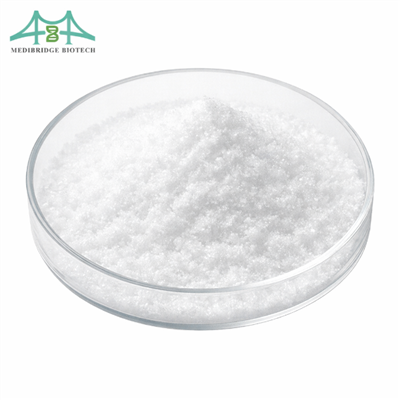
Oligopeptide-1 powder is a bioactive peptide better known in the skincare field as epidermal growth factor, or EGF. It is obtained through recombinant fermentation technology rather than simple plant extraction or chemical blending, which is one reason it is usually positioned as a higher-value cosmetic raw material. Structurally, it is made up of 53 amino acids and is supplied in lyophilized form to better preserve activity during storage, shipping, and later formulation use. Compared with ready-made liquid solutions, the dry form is generally easier to handle in premium formulations where stability matters.
In practical product development, this ingredient is often seen in formulas made for skin recovery, renewal, and post-treatment care. It is commonly added to serums, repair creams, essence concentrates, and freeze-dried skincare kits. In some products, it is kept as a dry powder until use, then mixed with an activator solution so the final product feels fresher and more active. Because of this format, it often appears in premium skincare lines rather than in basic moisturizers or entry-level products.
Shaanxi Medibridge Biotech Co., Ltd. supplies cosmetic raw materials and active ingredients for different formulation needs. We focus on stable quality, clear specifications, and flexible packaging options for customers working on skincare development, private label projects, or bulk ingredient purchasing. Bulk supply, custom packaging, and vial filling services can be arranged according to actual project requirements.

COA
|
|
||
|
Product Name |
CAS Number |
Batch Number |
|
Oligopeptide-1 powder |
62229-50-9 |
MB2601211030 |
|
Manufacturer Date |
Analysis Date |
Expiry Date |
|
2026-01-21 |
2026-01-22 |
2028-01-20 |
|
Sample Qty Base |
Packing |
Test Method |
|
500KGS |
25kg/drum |
HPLC |

|
Item |
Standard |
Results |
|
Appearance |
White or off-white lyophilized powder |
Complies |
|
Identification |
By HPLC and MS, consistent with reference standard |
Complies |
|
Amino Acid Sequence |
Consistent with standard sequence |
Complies |
|
Molecular Weight |
6040.0–6090.0 |
6045.7 |
|
Purity (HPLC) |
NLT 98.0% |
98.36% |
|
Solubility |
Freely soluble in water |
Complies |
|
Water Content (KF) |
NMT 8.0% |
4.27% |
|
pH (1% aqueous solution) |
4.0–7.0 |
5.6 |
|
Residue on Ignition |
NMT 0.5% |
0.12% |
|
Heavy Metals |
NMT 10 ppm |
Complies |
|
Lead (Pb) |
NMT 2 ppm |
Complies |
|
Arsenic (As) |
NMT 1 ppm |
Complies |
|
Cadmium (Cd) |
NMT 1 ppm |
Complies |
|
Mercury (Hg) |
NMT 0.1 ppm |
Complies |
|
Total Plate Count |
NMT 1000 CFU/g |
Complies |
|
Storage |
Store in cool & dry place. keep away from strong light and heat |
|
|
Conclusion |
The batch conforms to the IN-HOUSE standard |
|
|
|
||

Why It's Used in High-End Skincare
Not Just a Basic Moisturizing Ingredient
This active is not usually chosen for simple hydration alone. Buyers looking at this material are often developing products that sit in the repair, recovery, or advanced anti-aging category. That is why it shows up more often in premium serums and treatment products than in ordinary daily creams.
Strong Fit for Post-Procedure Positioning
A big part of its appeal comes from the way it is used in products aimed at supporting skin after external stress. In the market, it is often linked with formulas used after microneedling, laser procedures, or intensive skincare routines. For brands working in this direction, the ingredient helps shape a more specialized and professional product image.
Better Match for Freeze-Dried Formats
Another reason it is popular in the higher-end segment is that it works well in lyophilized systems. In a freeze-dried format, the active can stay in a dry and relatively stable condition until it is mixed before use. This fits well with product concepts built around freshness, controlled activation, and a more premium user experience.

Key Benefits
Supports Skin Renewal
This peptide is widely used in formulas that focus on helping the skin maintain a healthier renewal cycle. In product language, this is often connected with smoother-looking skin, a more even surface, and a fresher overall appearance.
Used in Recovery-Focused Formulas
It is also commonly found in products developed for skin that feels stressed, fragile, or recently exposed to intensive care routines. In these cases, the ingredient is not usually standing alone; it is part of a broader system meant to support skin balance and comfort.
Helps Improve the Look of Early Aging Signs
In anti-aging products, it is often chosen for formulas aimed at improving skin condition rather than creating an aggressive treatment feel. When paired with hydrating or soothing ingredients, it can fit nicely into products designed for fine lines, dullness, and uneven texture.
Suitable for High-Value Formulas
Because it is active at relatively low use levels, it is often selected for concentrated products where small dosage and high perceived value matter. This makes it a good fit for ampoules, freeze-dried sets, targeted repair serums, and other premium skincare concepts.

Application Scenarios
Daily Skincare Products
In regular skincare development, this active can be used in facial serums, lotions, gels, and creams intended to support skin condition over time. It is especially suitable for formulas positioned around skin texture improvement, care for tired-looking skin, or mild anti-aging support.
Professional Repair Lines
For brands working on post-treatment care, this material has a strong place in products used after cosmetic procedures. It is often considered for repair serums, recovery essences, and specialty creams designed for short-term skin support after professional skincare sessions.
Concentrated Treatment Products
It is also widely used in higher-strength formats such as ampoules, booster essences, and intensive care kits. These products are usually marketed with a more targeted positioning, which makes this kind of ingredient a practical match.
Lyophilized Kits and Fresh-Mix Systems
One of the more common premium applications is the freeze-dried powder plus activator solution format. In this setup, the active stays dry before use and is reconstituted right before application. This style is often used in skincare kits that highlight freshness, controlled potency, and upgraded formulation value.

How It's Typically Used in Formulations
Usage Level in Formulas
In most formulations, it is used at a relatively low level. The exact amount depends on the product type, market positioning, and the rest of the formula system. Even so, it is often chosen because it can contribute value without requiring a high dosage.
Temperature Control During Processing
When handling this active, lower processing temperature is generally preferred. In many cases, formulators try to add it below 40°C to avoid unnecessary activity loss during production. This is especially relevant in water-based systems.
Incorporation Method
A common way to use it is to dissolve it first in purified water or a compatible aqueous phase, then add it into the main formula. This helps with even dispersion and reduces the chance of handling issues later in the process.
Combination with Other Cosmetic Ingredients
It is often paired with hydrating, soothing, or barrier-supporting ingredients in order to build a more complete skincare story. Instead of acting as the only star of the formula, it often works as part of a combination designed for skin comfort, recovery, and improved feel.
Use in Lyophilized Formats
For freeze-dried products, it is typically filled in a dry form and mixed with a liquid activator before application. This usage style is especially common in premium skincare kits and concentrated treatment products where freshness is part of the selling point.

FAQ
Q: Is this ingredient the same as EGF?
A: Yes, it refers to epidermal growth factor produced through recombinant technology.
Q: Is it suitable for cosmetic formulations?
A: Yes, it is widely used in skincare formulas such as serums, creams, essences, and repair products.
Q: Can it be used in post-treatment skincare products?
A: Yes, it is often included in formulas positioned for care after microneedling, laser, or similar procedures.
Q: Is it stable in water-based systems?
A: It can be used in water-based formulas, but lower processing temperatures are usually recommended.
Q: Where does human Oligopeptide 1 come from?
A: Oligopeptide-1 is a naturally occurring peptide originally found in human serum.
Hot Tags: oligopeptide-1 powder, China oligopeptide-1 powder manufacturers, suppliers, factory, biotinoyl tripeptide 1 powder, Tripeptide 1 Powder, cosmetic peptides, Dipetide Diaminobutyroyl Benzylamide Diacetate, Tetrapeptide 21 Powder, Carnosine Powder