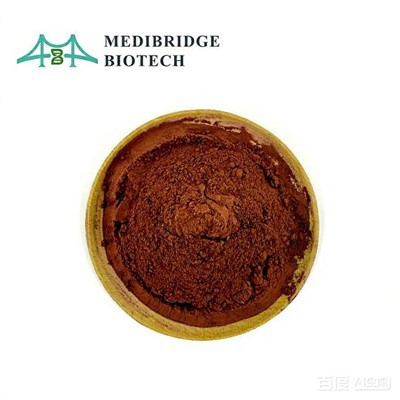
Tetrahydrocurcuminoids powder is produced from curcumin, which is originally extracted from turmeric roots. In manufacturing, purified curcumin is further processed through a controlled hydrogenation step, where its molecular structure is partially reduced. This conversion results in tetrahydrocurcuminoids, a more refined curcuminoid form with a lighter color and improved chemical stability. The final product is supplied as a powder, and in commercial applications it is usually standardized based on tetrahydrocurcumin content to ensure consistent quality between different production batches.
From an application standpoint, tetrahydrocurcuminoids are mainly used for their antioxidant-related properties and their practical advantages in formulation. Compared with traditional curcumin materials, they are less likely to affect product color and are easier to handle in compound systems. Because of these characteristics, they are widely used in dietary supplements, functional nutrition products, and beauty-from-within formulations, especially in products where formulation stability and appearance are important considerations rather than strong coloration or high curcumin load.
Shaanxi Medibridge Biotech Co., Ltd. supplies tetrahydrocurcuminoids powder with clear specifications and stable batch control. We offer different purity grades and customization options to match specific formulation needs, along with complete technical documentation and flexible supply services to support long-term cooperation and product development.

COA
|
|
||
|
Product Name |
CAS Number |
Batch Number |
|
tetrahydrocurcuminoids powder |
36062-04-1 |
MB2601061430 |
|
Manufacturer Date |
Analysis Date |
Expiry Date |
|
2026-01-06 |
2026-01-07 |
2028-01-05 |
|
Sample Qty Base |
Packing |
Test Method |
|
300 KGS |
25kg/drum |
HPLC |

|
Item |
Standard |
Results |
|
Assays |
NLT 98% |
98.36% |
|
Appearance |
Fine powder |
Complies |
|
Color |
Off-white |
Complies |
|
Odor |
Characteristic |
Complies |
|
Sieve Analysis |
95% pass 80 mesh |
Complies |
|
Loss on Drying |
5% Max |
3.45% |
|
Ash |
5% Max |
2.14% |
|
Part of Used |
Root |
Complies |
|
Heavy metals |
NMT 10ppm |
Conforms |
|
Arsenic (As) |
NMT 2ppm |
Conforms |
|
Total Mercury(Hg) |
NMT 2ppm |
Conforms |
|
Lead (Pb) |
NMT2ppm |
Conforms |
|
Pesticides Residues |
Negative |
Conforms |
|
Total Plate Count |
10000cfu/g Max |
Conforms |
|
Yeast & Mold |
100cfu/g Max |
Conforms |
|
E.Coli |
Negative |
Negative |
|
Salmonella |
Negative |
Negative |
|
Storage |
Store in cool & dry place. keep away from strong light and heat |
|
|
Conclusion |
The batch conforms to the IN-HOUSE standard |
|
|
|
||

Why It Is Used
Improved Stability
Compared with conventional curcumin, tetrahydrocurcuminoids show better chemical stability, making them easier to manage during processing and storage.
Reduced Color Impact
The lighter, off-white appearance allows the ingredient to be used in formulations where strong yellow coloration from curcumin is not desired.
Antioxidant Profile
Tetrahydrocurcuminoids retain antioxidant-related characteristics commonly associated with curcuminoids and are often selected for oxidative stress–related formulation concepts.
Formulation Compatibility
This ingredient is generally easier to incorporate into compound systems and blends without significantly affecting the overall formulation balance.
Curcuminoid Alternative
Tetrahydrocurcuminoids are frequently used as an alternative option within curcuminoid-based product lines when formulation flexibility is a priority.

Functional Background
Tetrahydrocurcuminoids are mainly discussed in research because they are one of the reduced forms related to curcumin metabolism. In a number of studies, curcumin is shown to undergo transformation after intake, and tetrahydrocurcuminoids are often mentioned as part of this metabolic pathway rather than as an isolated compound.
From a research perspective, tetrahydrocurcuminoids are usually examined in the context of antioxidant-related activity and curcuminoid behavior under different conditions. Compared with curcumin, their altered structure makes them more stable, which is one reason they are frequently used in laboratory work and formulation testing where consistency and repeatability matter.
In commercial ingredient use, this research background mainly serves as a reference point. It explains why tetrahydrocurcuminoids are treated as a functional curcuminoid form and why they are included in product development discussions, without positioning them as a separate or standalone solution.

Typical Application Areas
Dietary Supplements
Tetrahydrocurcuminoids are commonly used in dietary supplements as a curcuminoid-based ingredient when product stability and appearance are important. Their lighter color and more manageable formulation behavior make them suitable for capsules, tablets, and powder-based supplement products.
Functional Nutrition
In functional nutrition products, tetrahydrocurcuminoids are often included as part of compound formulas. They are selected not as a headline ingredient, but as a supporting component that fits well into multi-ingredient systems designed for long-term, daily use.
Beauty-from-Within
This ingredient is also frequently found in beauty-from-within and cosmetic nutrition products. Its antioxidant-related background, combined with low color impact, allows it to be used in formulations where visual consistency and formulation balance are key considerations.
Research and Development
Tetrahydrocurcuminoids are used in research and development settings for formulation testing and curcuminoid-related studies. In this context, they are mainly applied as a reference material or functional form within broader ingredient research work.

How It Is Used in Formulas
Supporting Role
In most formulations, tetrahydrocurcuminoids are used as a supporting ingredient rather than the main focus. They are typically added to complement other components in curcuminoid-based or antioxidant-oriented products.
Low Color Impact
Because the powder is white to off-white, it is easier to use in formulas where color control matters. This makes it more suitable for capsules, tablets, and blends where strong yellow pigmentation is not desired.
Compound Friendly
Tetrahydrocurcuminoids generally fit well into multi-ingredient systems. They are often chosen for compound formulas where balanced performance and ingredient compatibility are more important than single-ingredient emphasis.
Formulation Control
From a practical standpoint, this ingredient is used in formulations that require stable handling during blending, processing, and storage. Its more predictable behavior helps formulators maintain consistency across batches.

Why Choose Us
We supply tetrahydrocurcuminoids powder with clear and consistent specifications, focusing on stable purity, appearance, and batch performance. Each batch is produced and checked against defined standards to ensure predictable behavior during formulation and ongoing production.
Our production and supply processes are designed to support long-term use rather than short-term sourcing. Emphasis is placed on batch-to-batch consistency and routine quality control, which helps reduce variability when materials are used in compound formulas or scaled-up manufacturing.
As a supplier, Shaanxi Medibridge Biotech Co., Ltd. provides flexible specification options, complete technical documentation such as COA, and practical support throughout sourcing and product development, with a focus on stable cooperation and reliable supply.

FAQ
Q: What are the uses of Tetrahydrocurcuminoids?
A: Tetrahydrocurcuminoids are mainly used as an ingredient in dietary supplements, functional nutrition products, and beauty-from-within formulations.
Q: Is tetrahydrocurcumin safe for skin?
A: Tetrahydrocurcumin is commonly used in cosmetic-related formulations, but its safety depends on formulation design and proper use.
Q: What is the difference between curcumin and tetrahydrocurcumin?
A: Curcumin is the original compound from turmeric, while tetrahydrocurcumin is a more stable, hydrogenated form derived from curcumin.
Q: What is another name for curcumin?
A: Curcumin is also commonly referred to as diferuloylmethane in scientific and technical contexts.
Q: Is it safe to take curcumin every day?
A: Curcumin is widely used in daily supplement products, but regular use should follow product guidelines and professional advice.
Hot Tags: tetrahydrocurcuminoids powder, China tetrahydrocurcuminoids powder manufacturers, suppliers, factory, D Theanine Powder, plant extracts, Best Berberine Powder, Rhodiola Rosea Extract Powder, Hesperidinase, Licorice Extract Powder